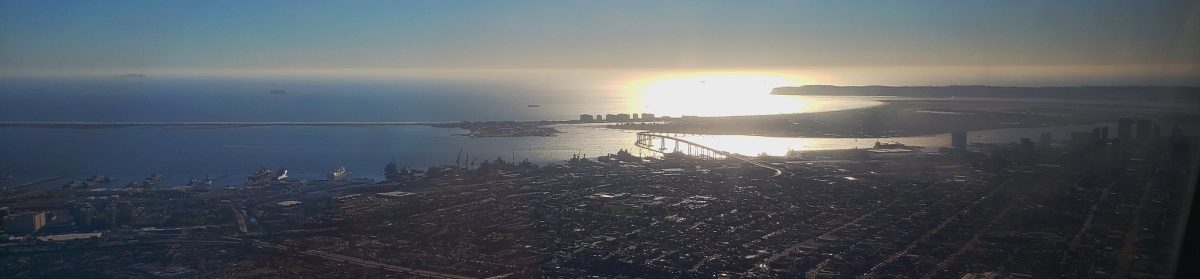
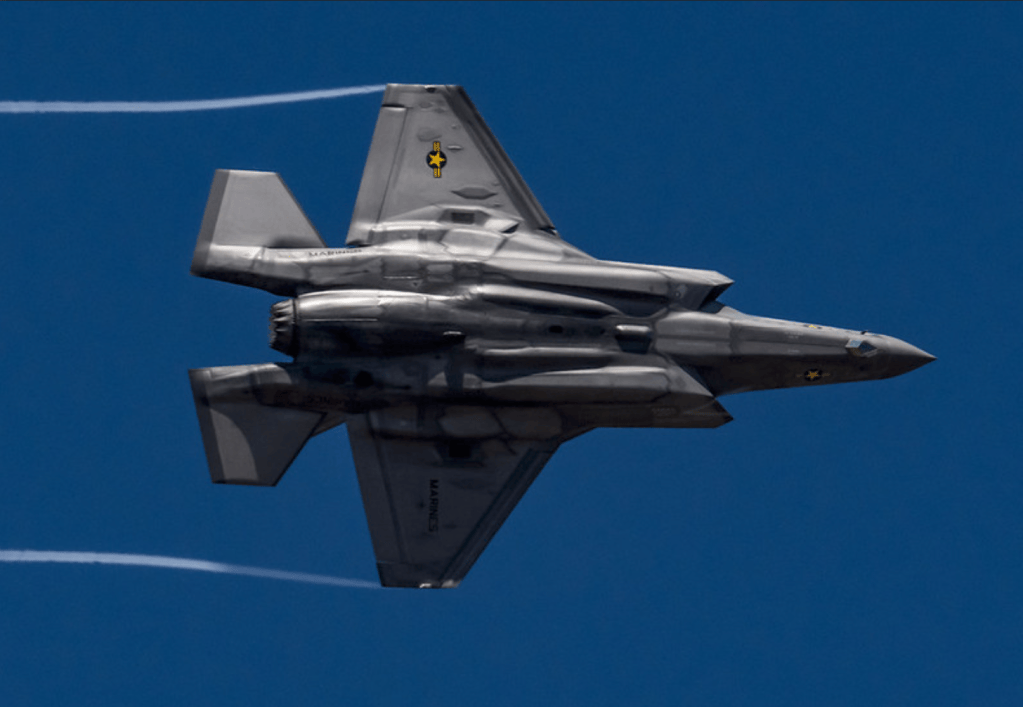
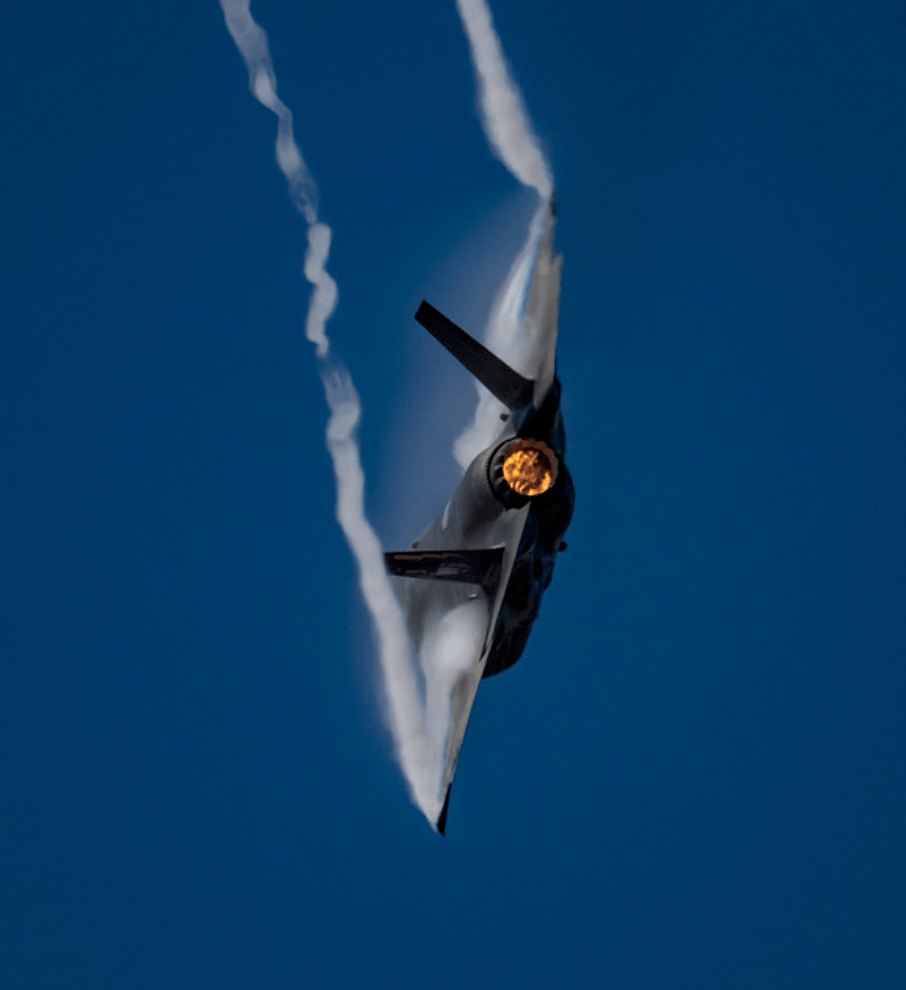
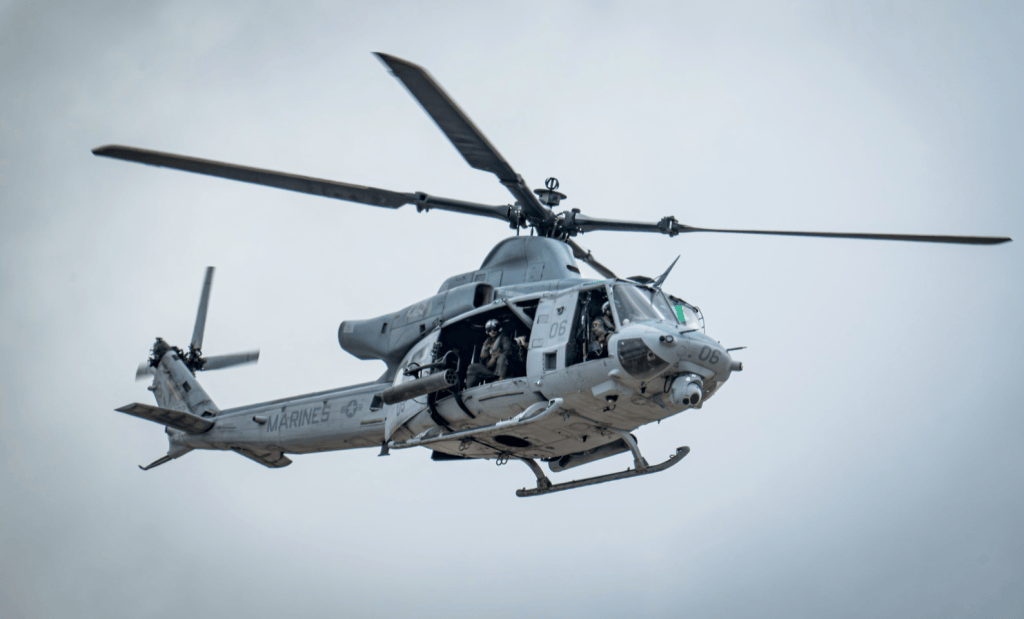
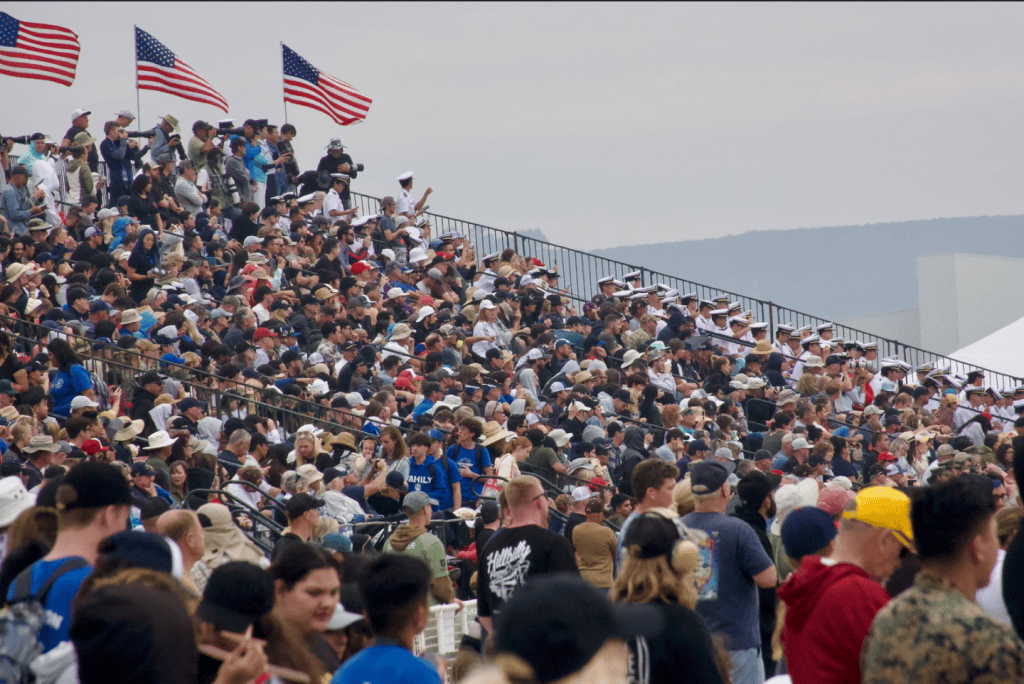
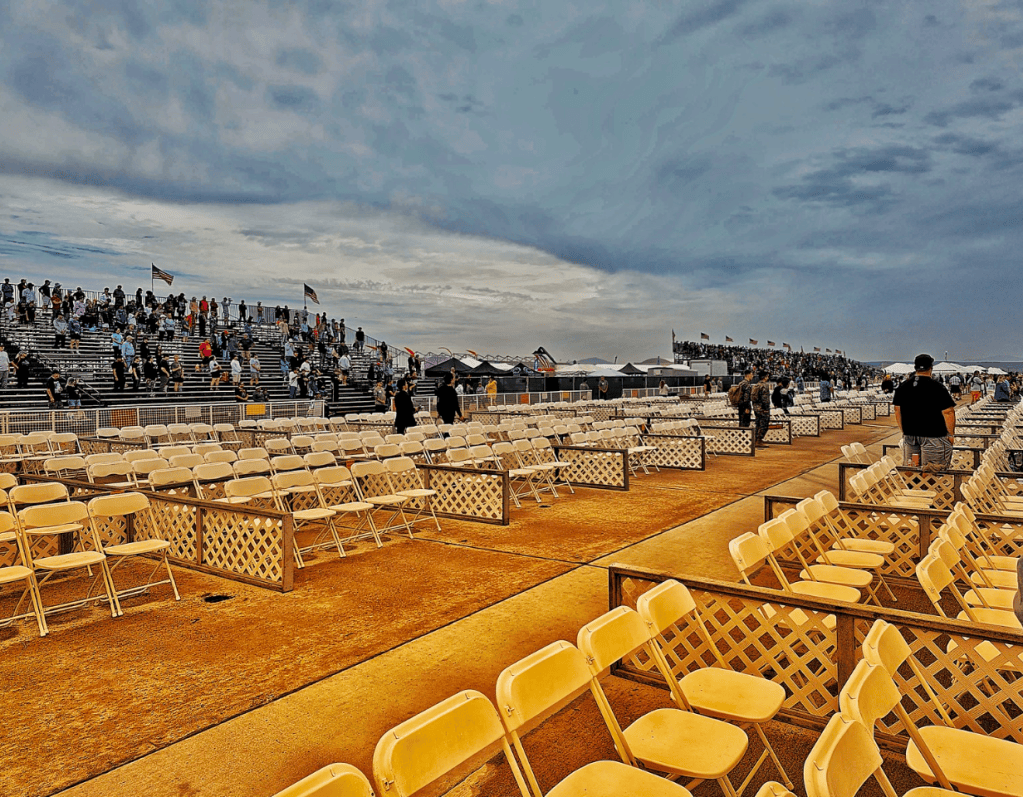
On Friday, September 25, the gates opened at Marine Corps Air Station Miramar for the first public day of the 2026 MCAS Miramar Air Show, bringing aviation fans, military families, and visitors together for the opening day of one of San Diego’s biggest aviation events.
This year’s show, running September 25–27, celebrates America’s 250th anniversary with a weekend built around aviation, military demonstrations, historic aircraft, and civilian aerobatics.
The U-2 Dragon Lady Makes a Rare Appearance
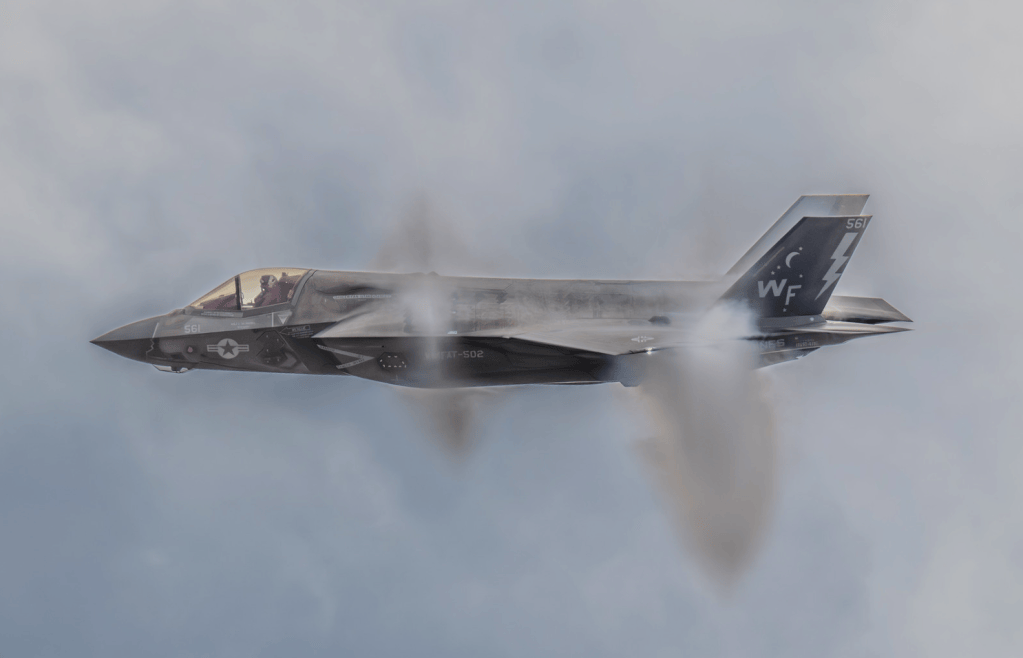
One of the most distinctive moments of Day One came at approximately 1:25 p.m., when the U.S. Air Force U-2 Dragon Lady made its scheduled flypast over Marine Corps Air Station Miramar. The Friday-only appearance gave air show visitors a rare opportunity to see one of America’s most recognizable high-altitude reconnaissance aircraft in flight.
U.S. Air Force’s 9th Reconnaissance Wing at Beale Air Force Base, California
U.S. Air Force’s 9th Reconnaissance Wing at Beale Air Force Base, California
The sound of jet engines will once again fill the skies over San Diego when America’s Air Show returns to Marine Corps Air Station Miramar from September 25–27, 2026.
For anyone who enjoys aviation, military history, or simply seeing some incredible aircraft up close, the Miramar Air Show is one of the major events on San Diego’s annual calendar. The 2026 show is especially significant because it celebrates the nation’s 250th anniversary.
The Miramar Air Show brings together military aircraft, demonstration teams, civilian performers, historic aircraft, and interactive displays.
One of the major attractions this year will be the U.S. Navy Blue Angels, along with the U.S. Marine Corps F-35B Lightning II demonstration. The schedule also includes the Marine Corps MV-22 Osprey, a C-17 demonstration, and the Marine Air-Ground Task Force demonstration.
The MAGTF demonstration is particularly different from a traditional air-show performance. It combines aircraft, ground forces, pyrotechnics, and tactical maneuvers to demonstrate how Marine units can operate together during a simulated battlefield scenario.
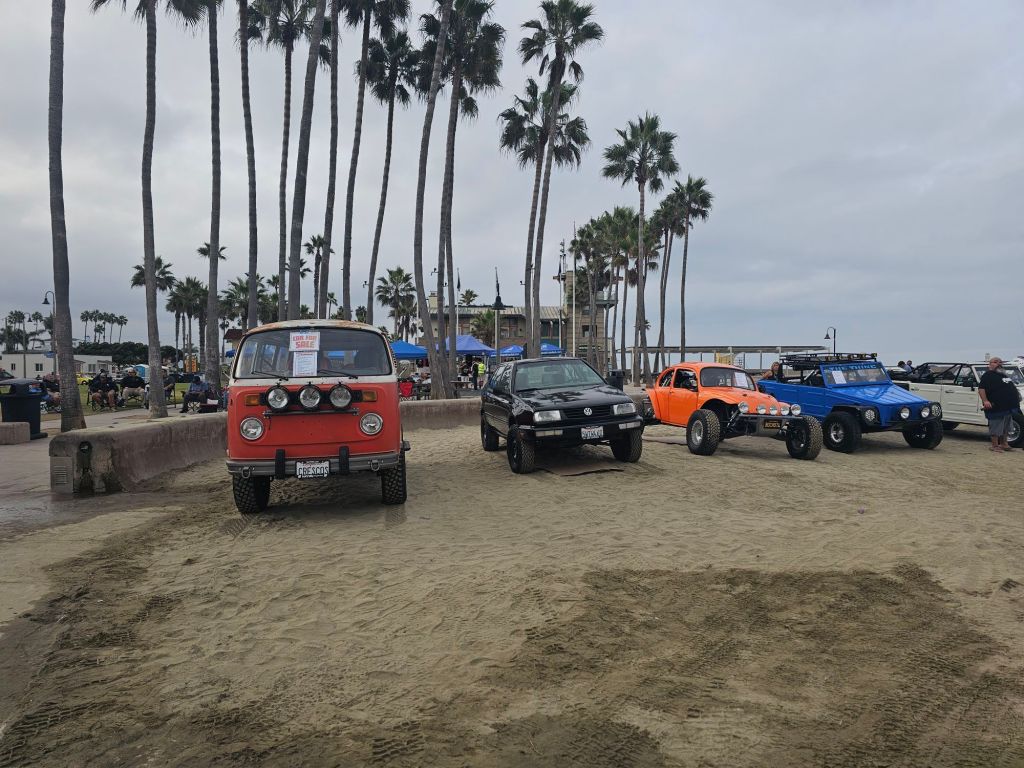
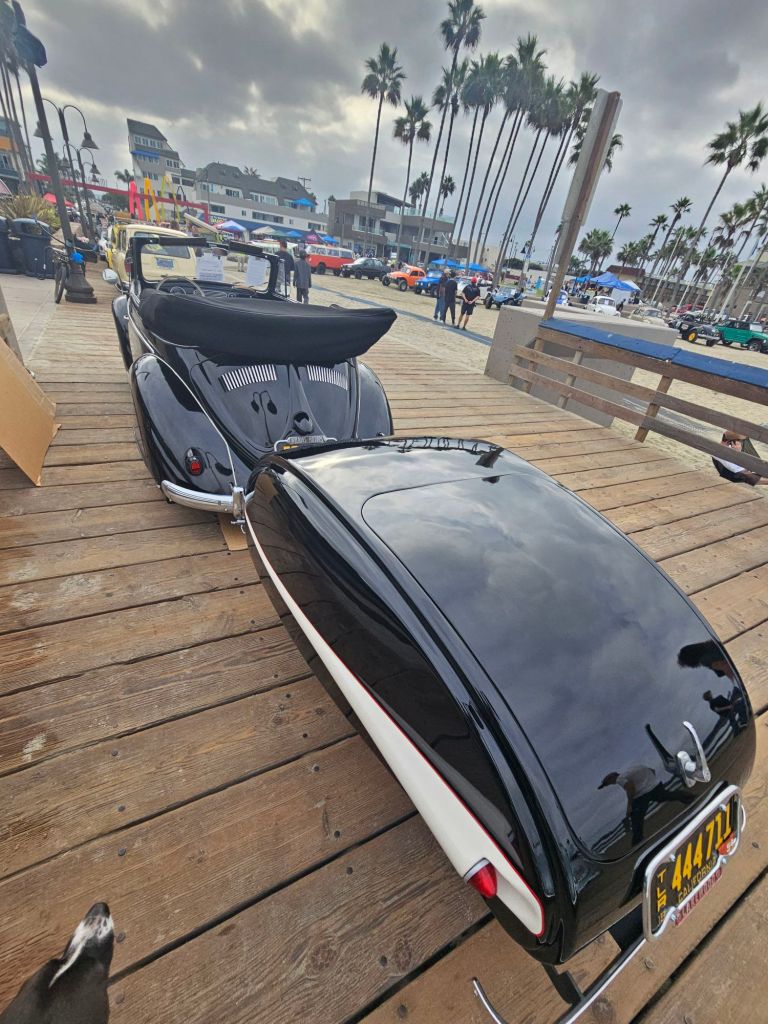
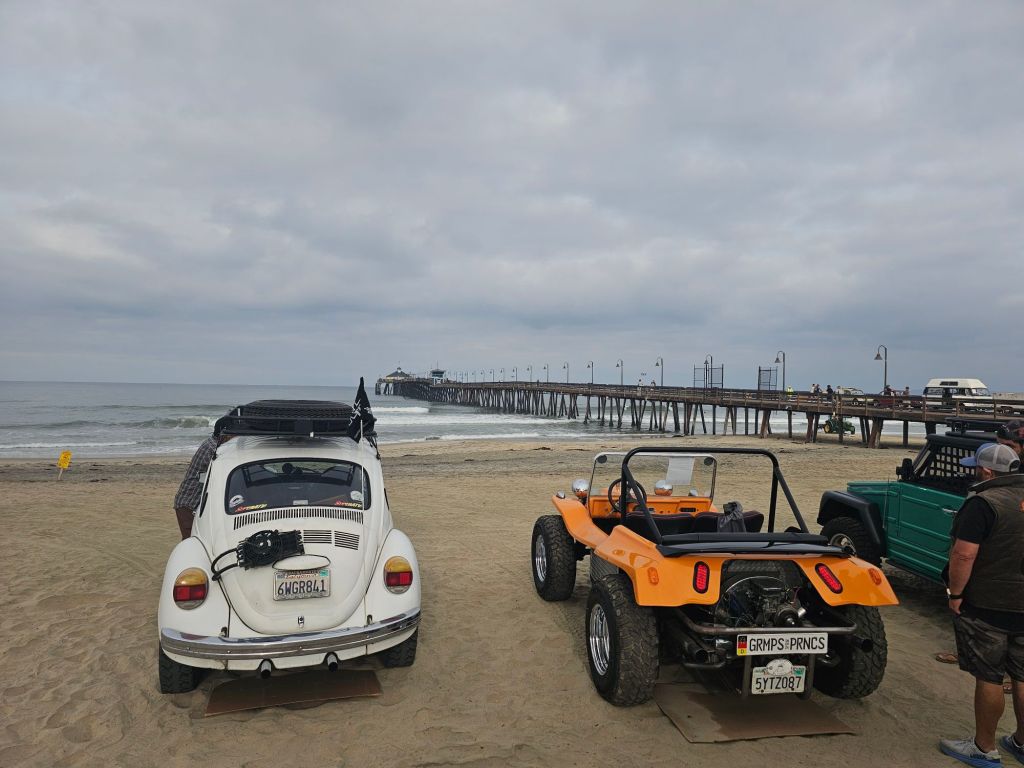
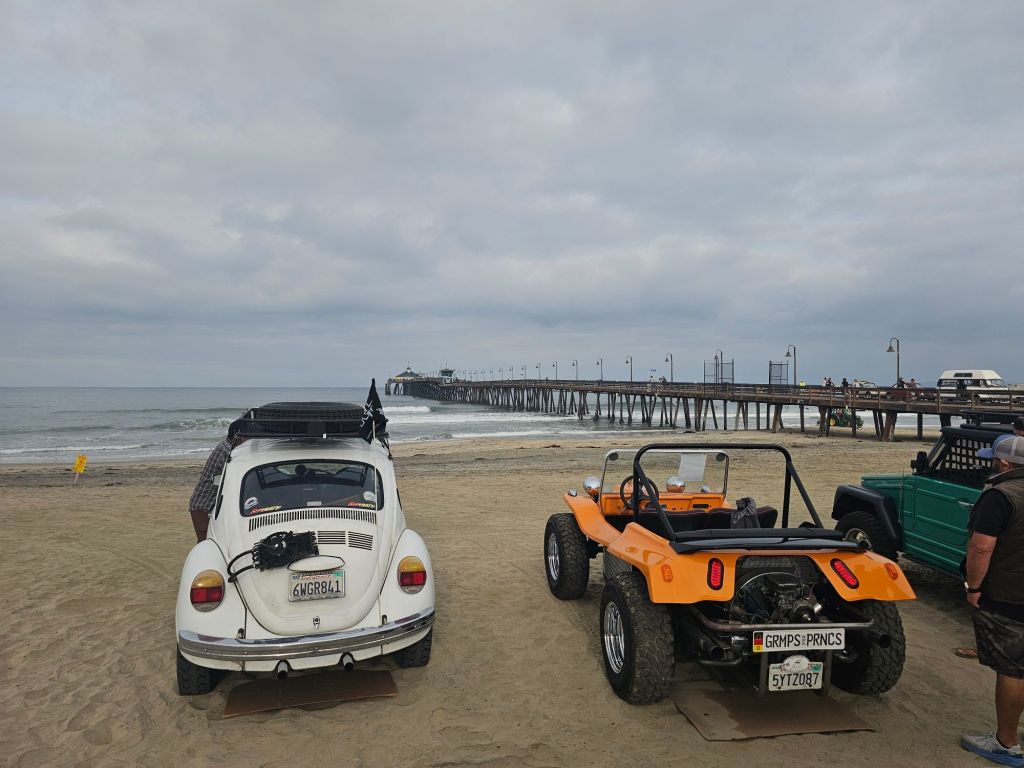
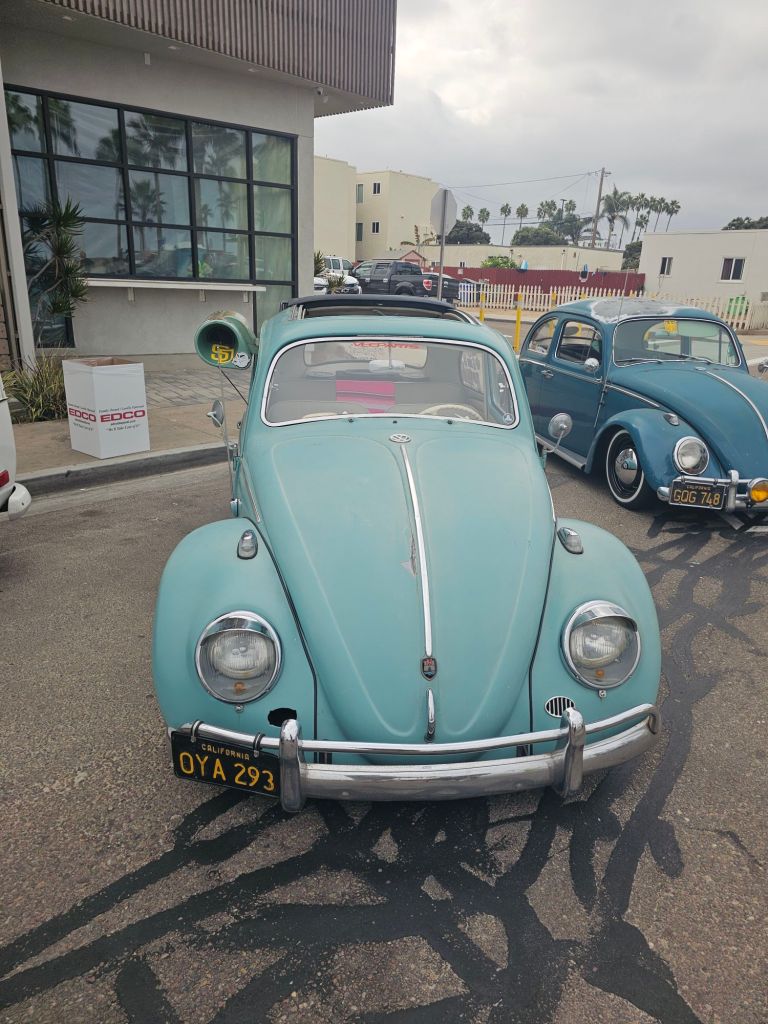
The 13th Annual Fiesta en la Playa takes place on Sunday, September 20, in Imperial Beach. For anyone who enjoys classic cars or simply likes discovering unusual events around San Diego, it is a fun reason to head down to the South Bay.
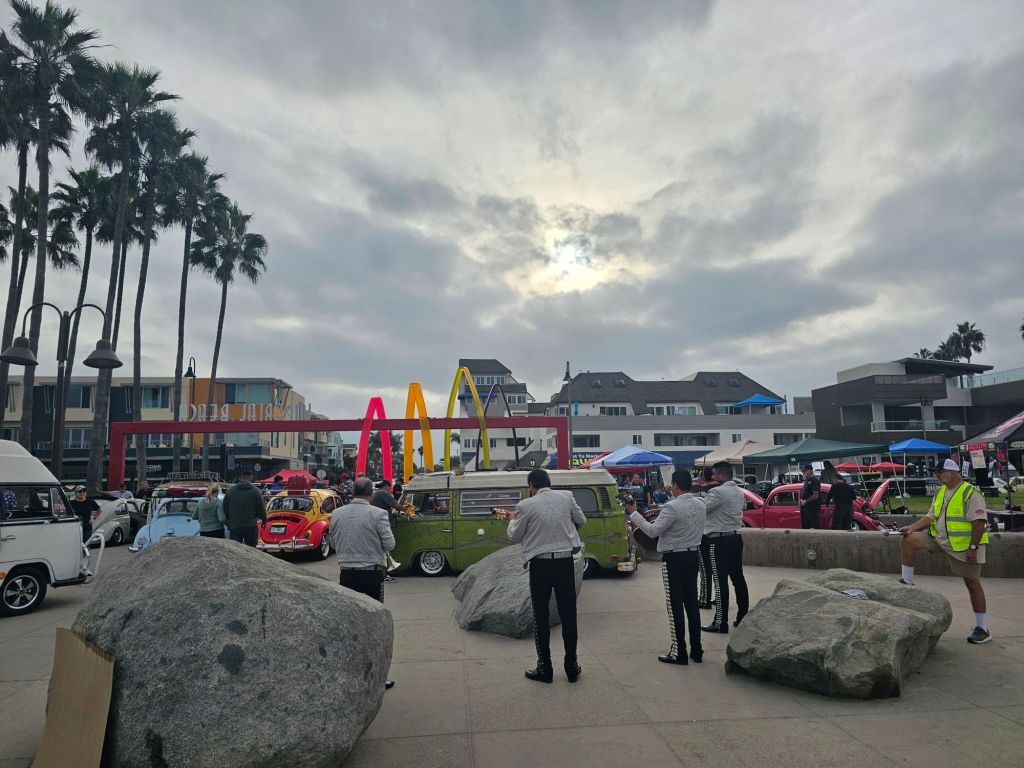
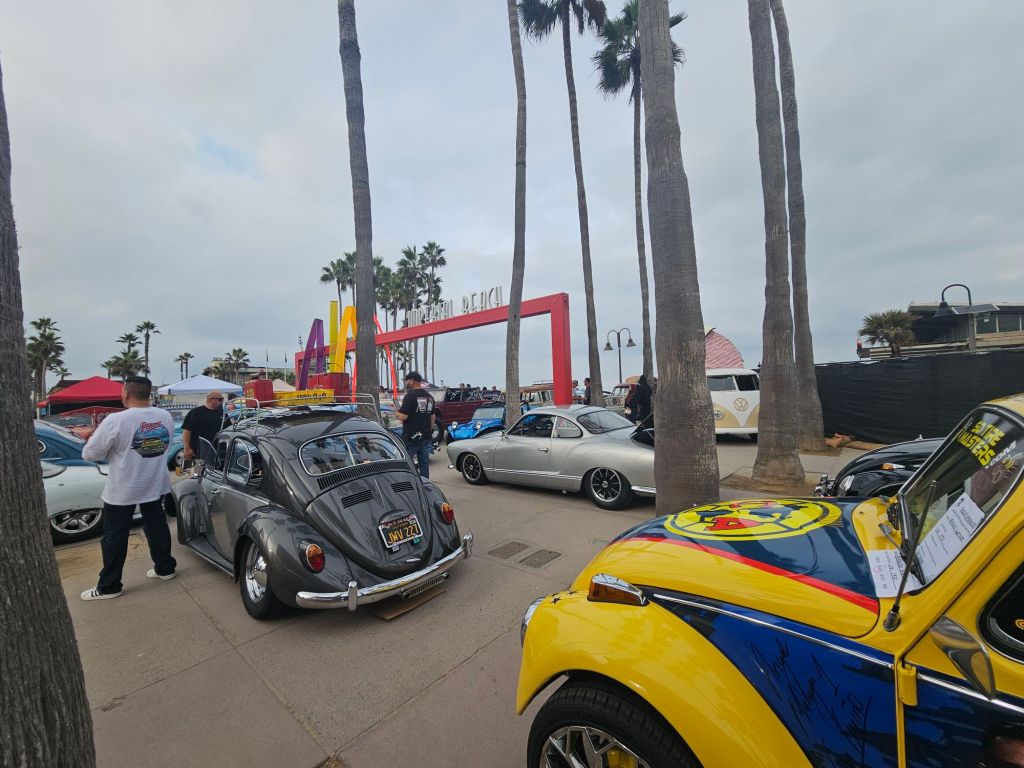
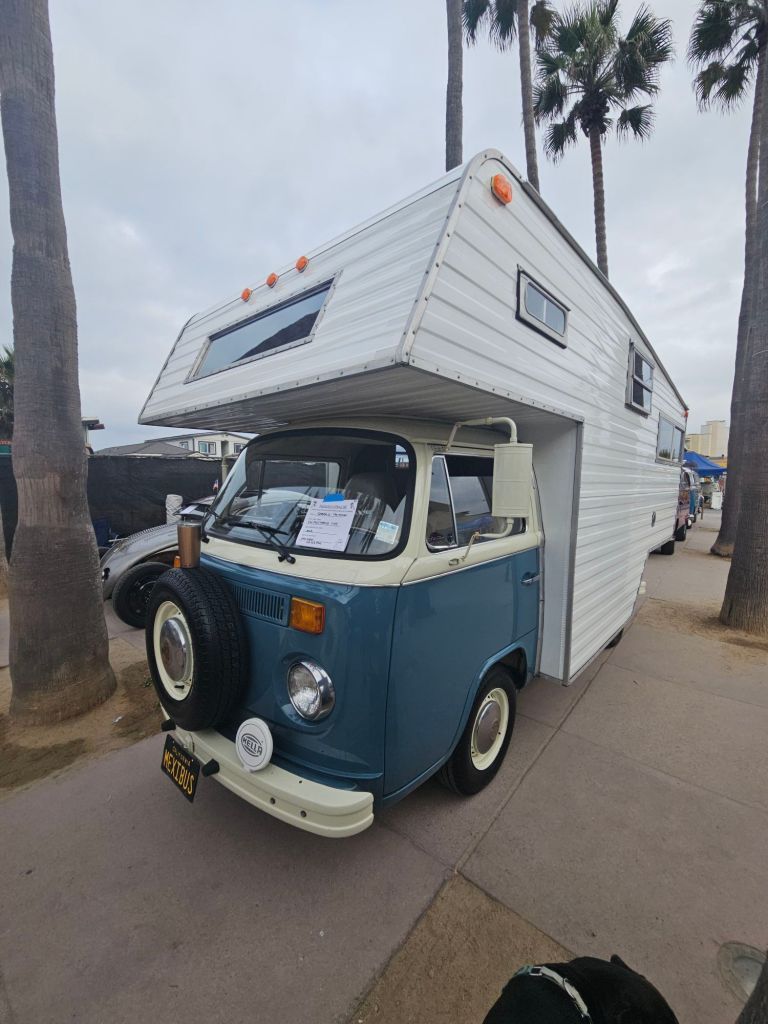
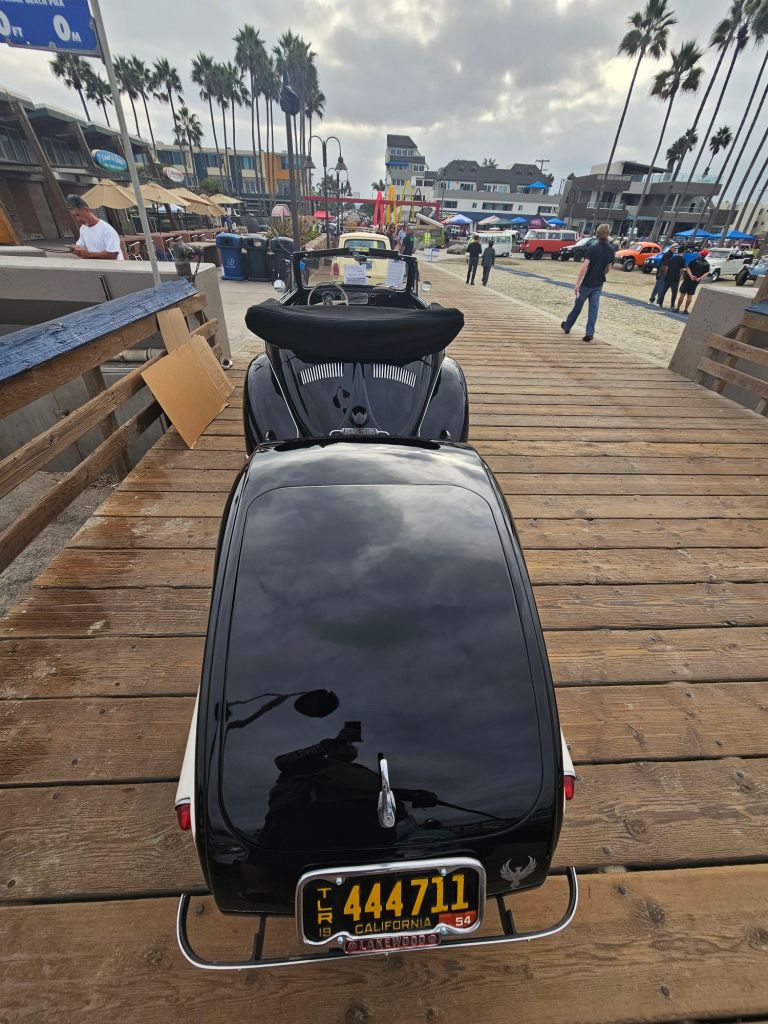
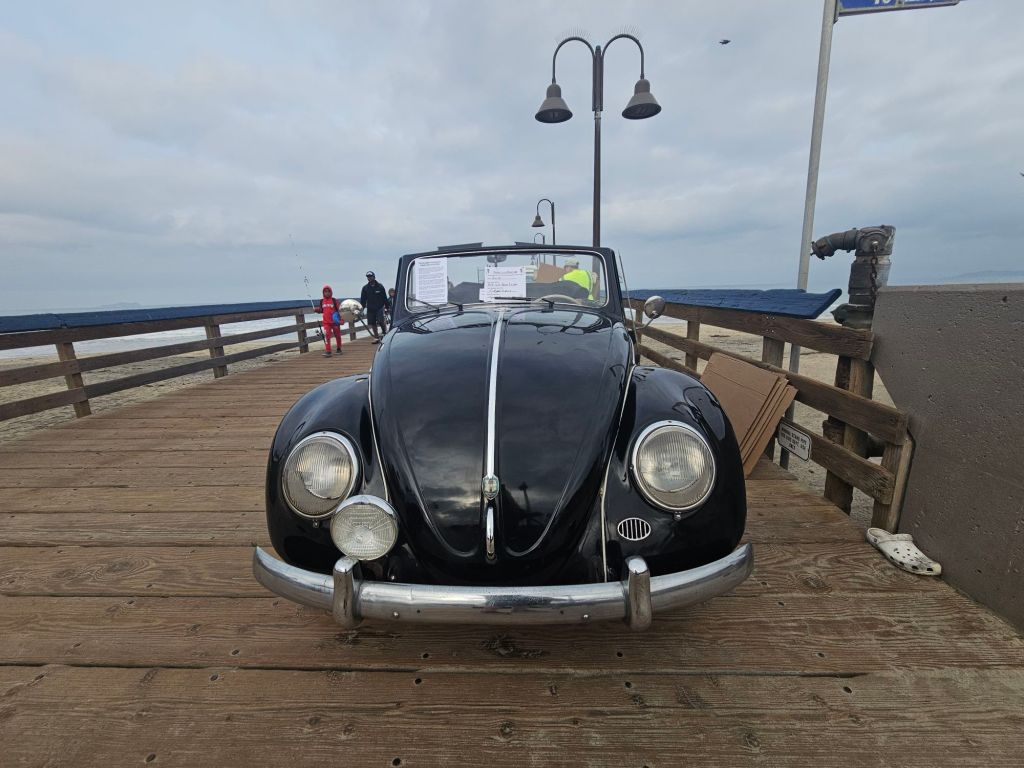
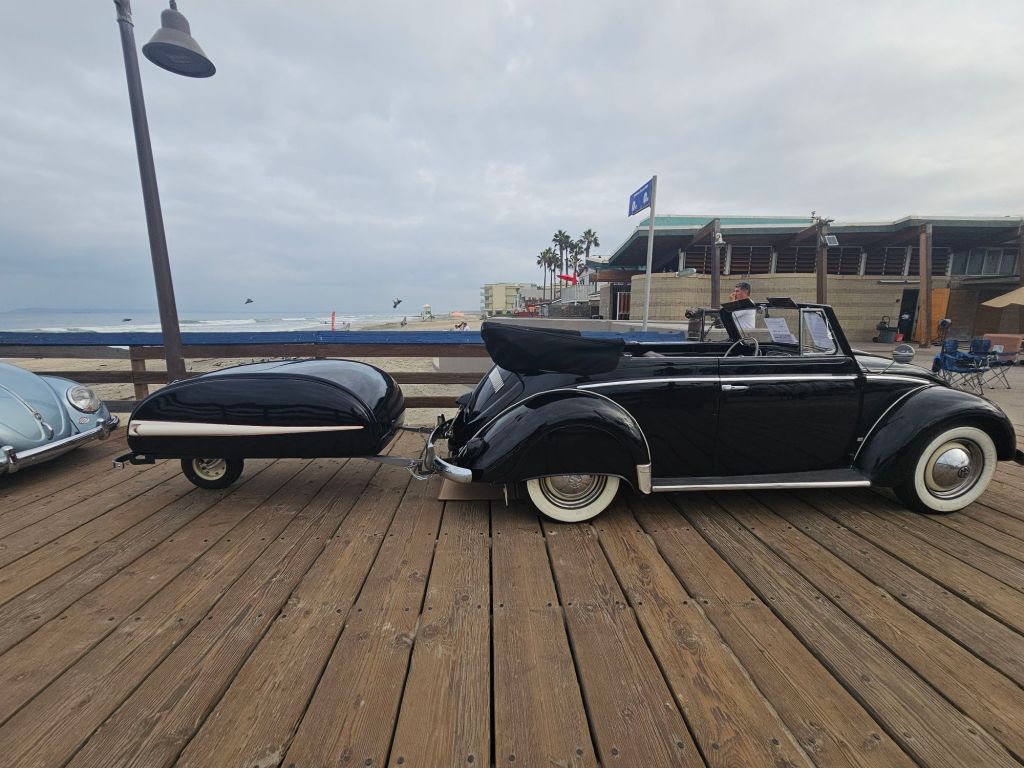
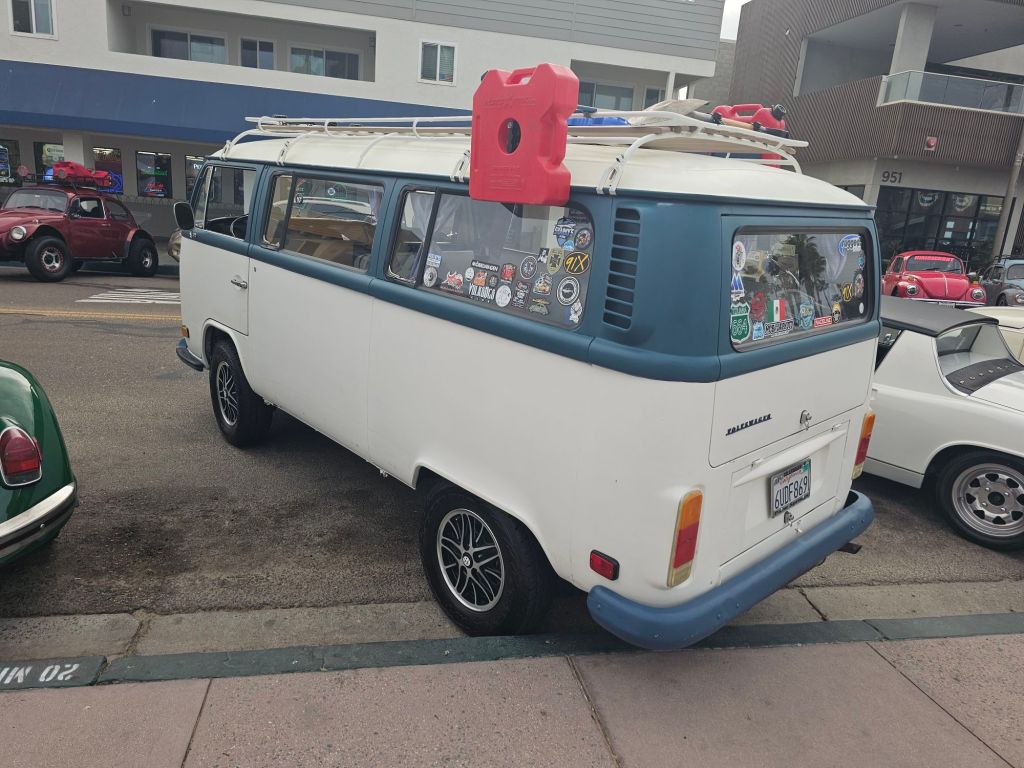
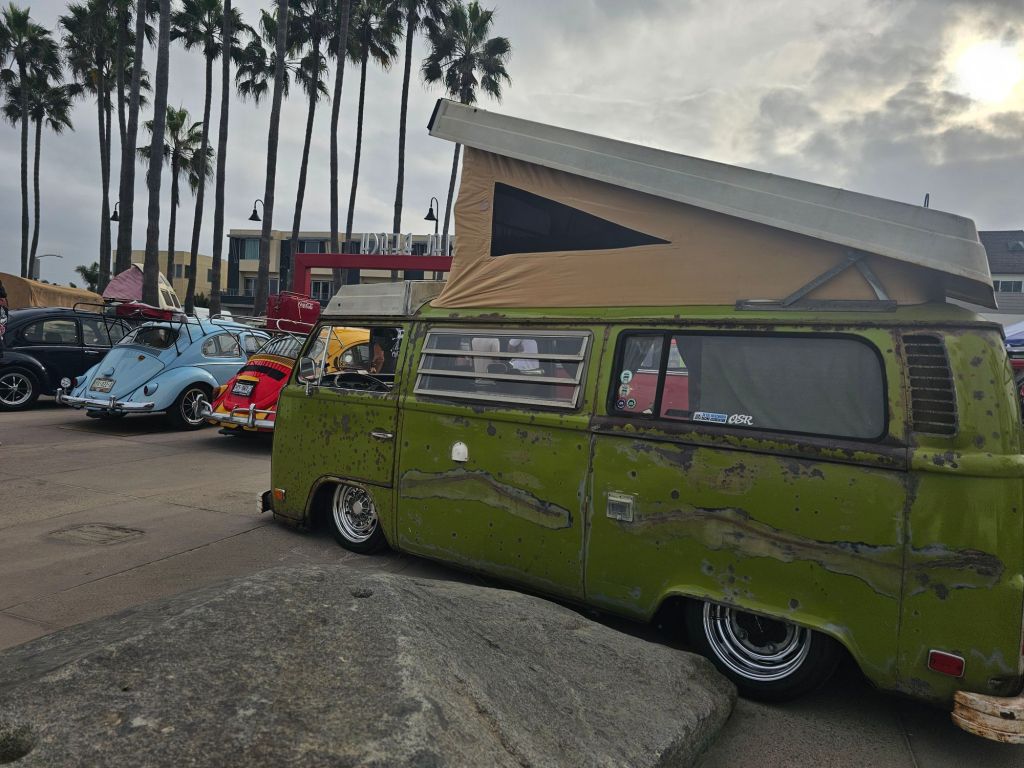
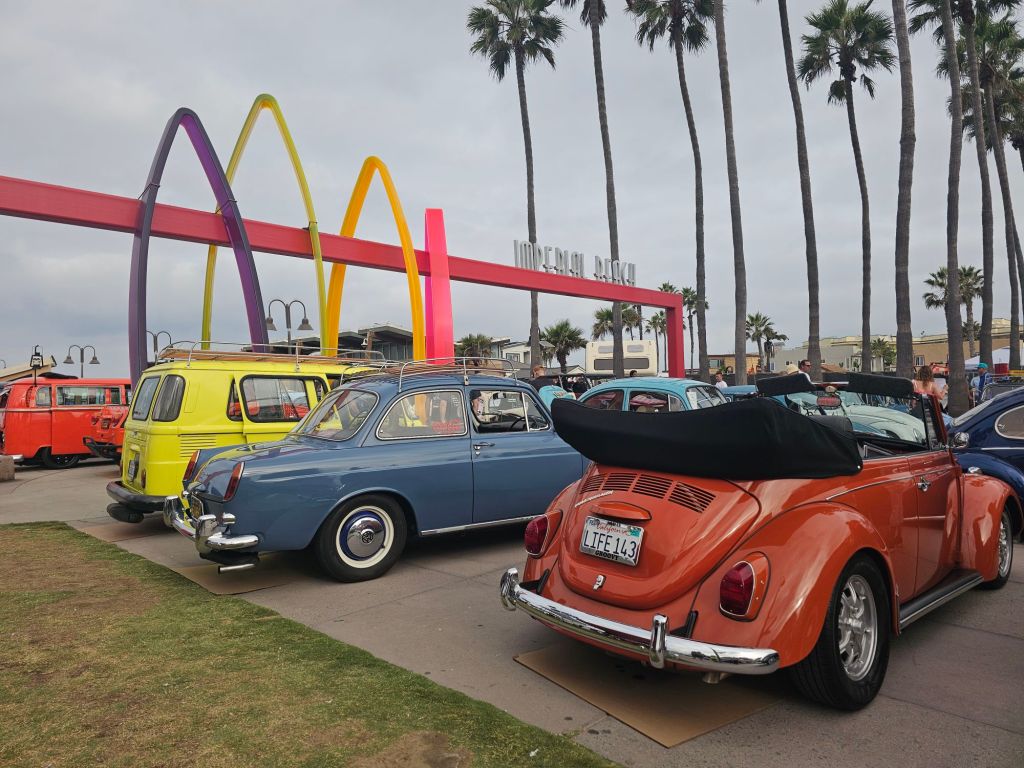
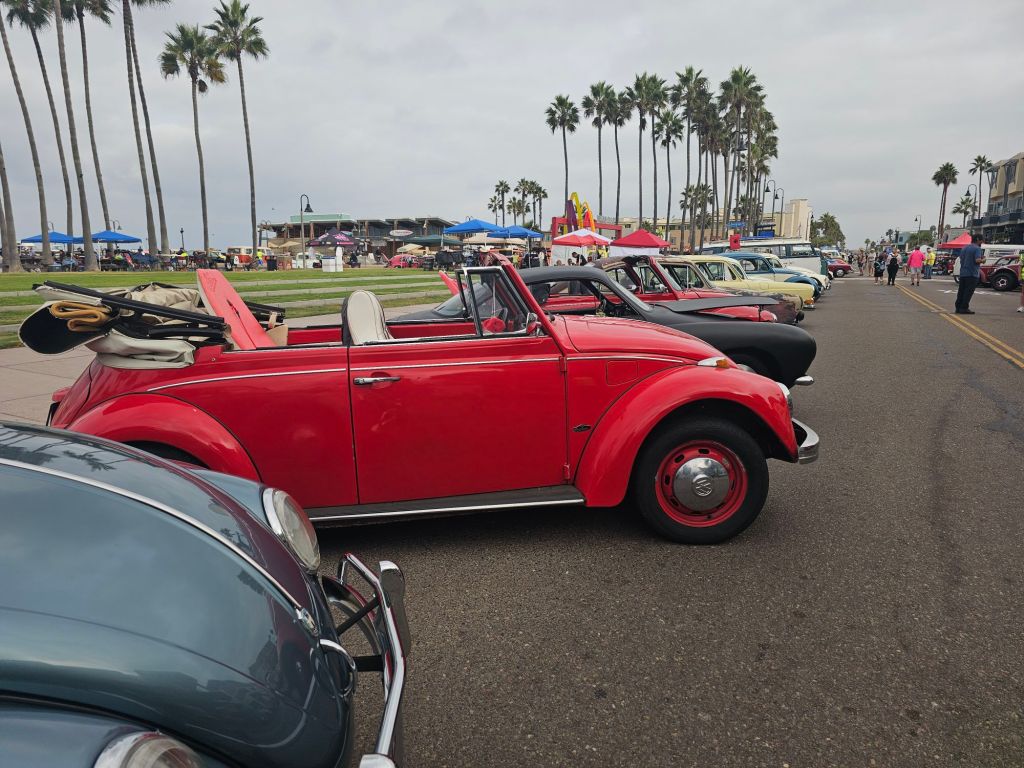
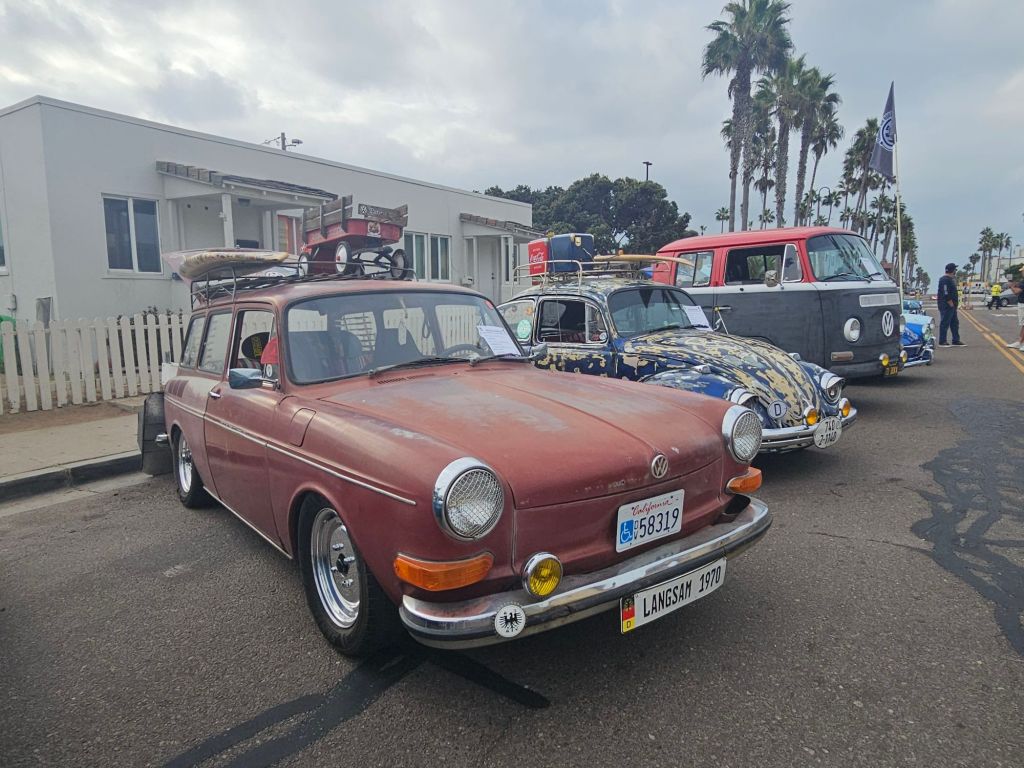
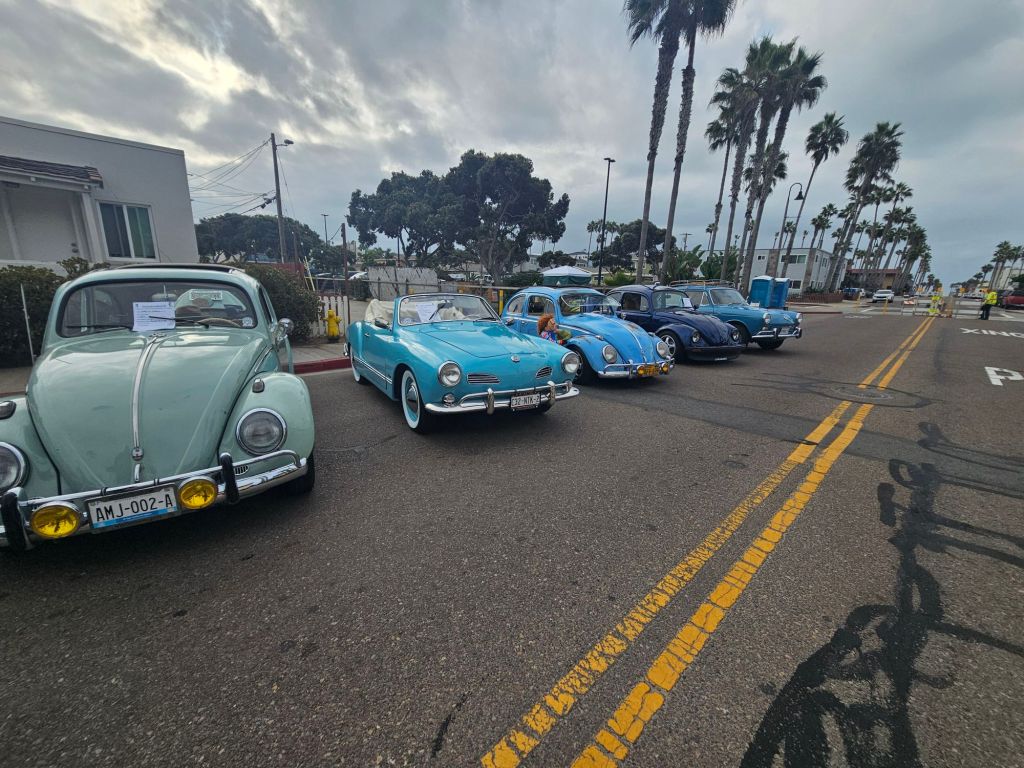
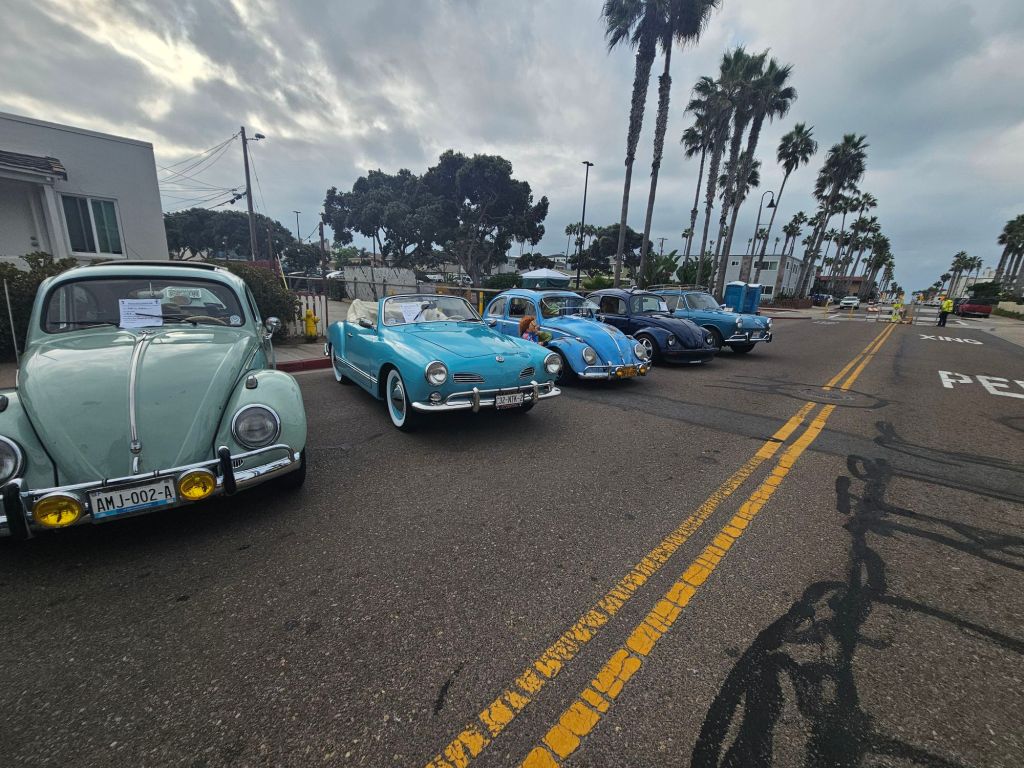
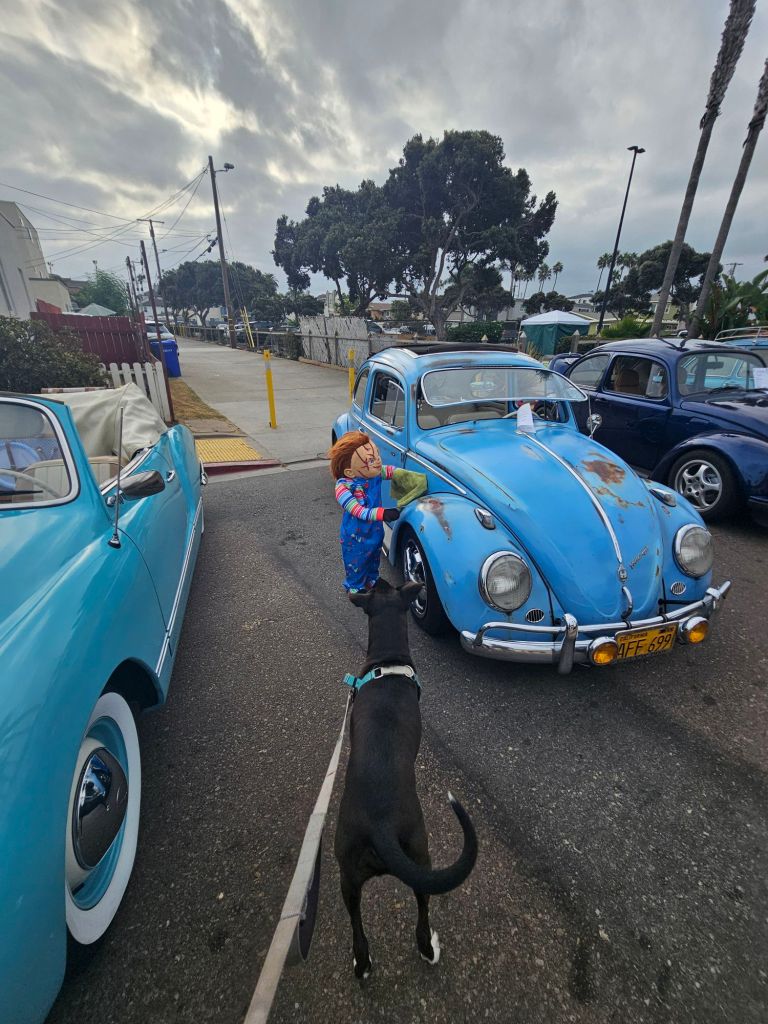
The 13th Annual Fiesta En La Playa Air Cooled Car Show is happening today, Sunday, September 20, 2026, from 9:00 AM to 2:00 PM at Imperial Beach along Seacoast Drive. Over 250 vintage air-cooled Volkswagens including Beetles, buses, and rare models.Live music and entertainment featuring the Super Sonic Samba School Band and Dancers, Mariachi del Mar, and Nasty Habits Classic Rock Band. #volkswagen#classic#carshow#vw#meetup
What makes Fiesta en la Playa different from many car shows is the setting.
Instead of a parking lot surrounded by buildings, the event takes place in the coastal environment of Imperial Beach. Palm trees, sand, ocean breezes and the Imperial Beach Pier provide the backdrop for rows of Volkswagen vehicles.
The classic VW Beetle is, of course, one of the stars of the show. But there is plenty more to see, including the iconic Volkswagen Bus and other generations of Volkswagen vehicles.
Seeing these cars lined up against the beach creates a completely different atmosphere from a traditional indoor or parking-lot car show.
For car enthusiasts, it is an opportunity to see classic and customized VWs up close. For families and casual visitors, the colorful cars and beach setting make for an enjoyable way to spend a Sunday.
And if you enjoy photography, there are plenty of details to look for—from vintage badges and steering wheels to surfboards, bright paint colors and the distinctive shapes of classic Volkswagen vehicles.
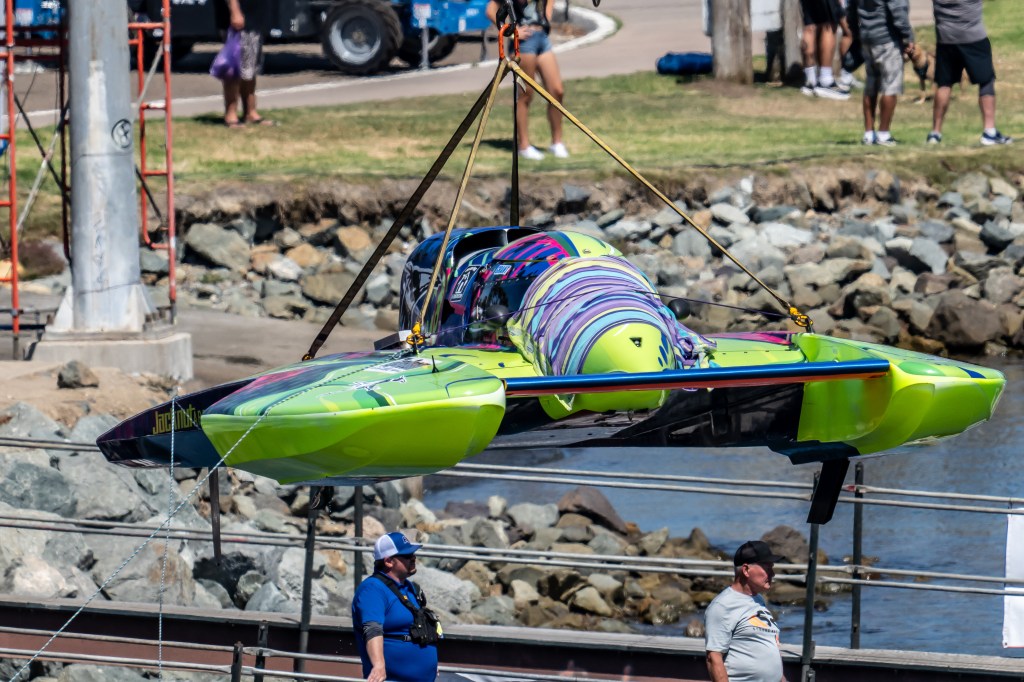
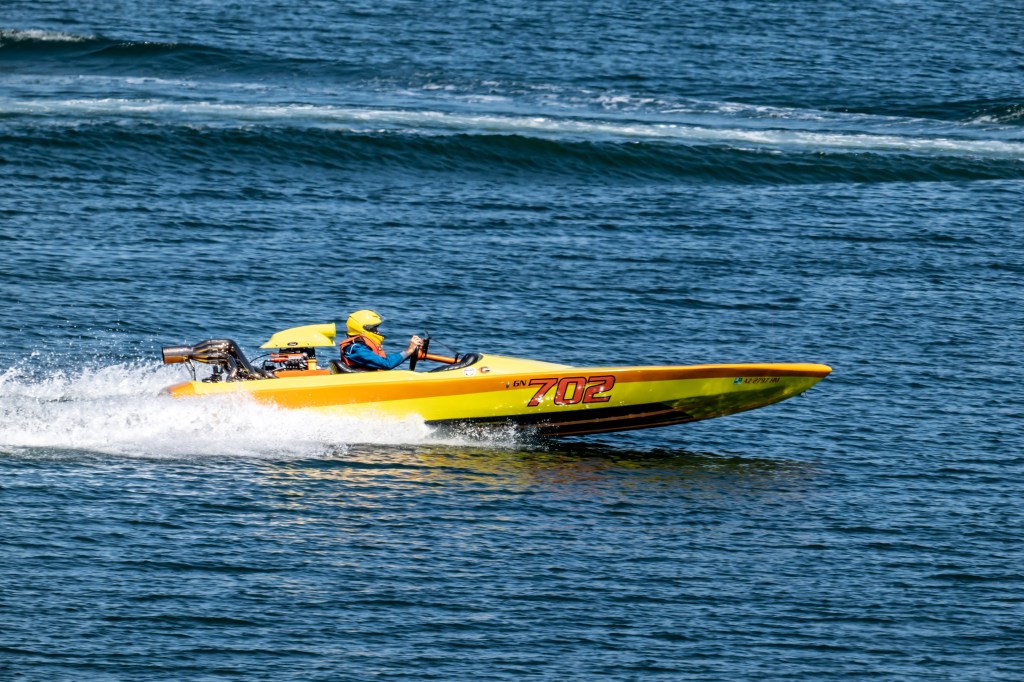
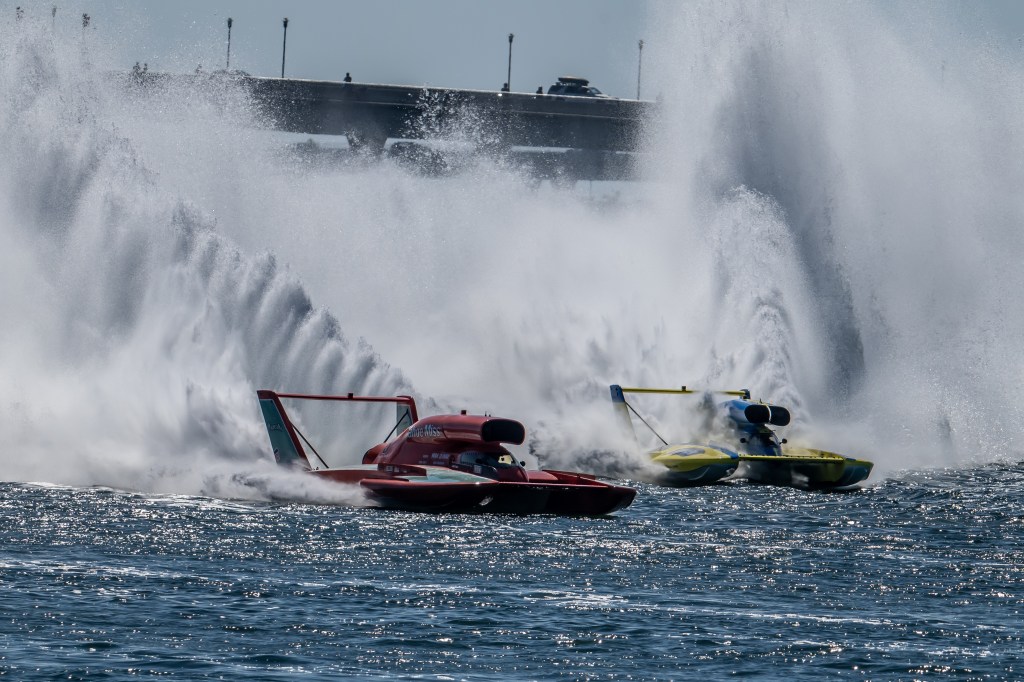
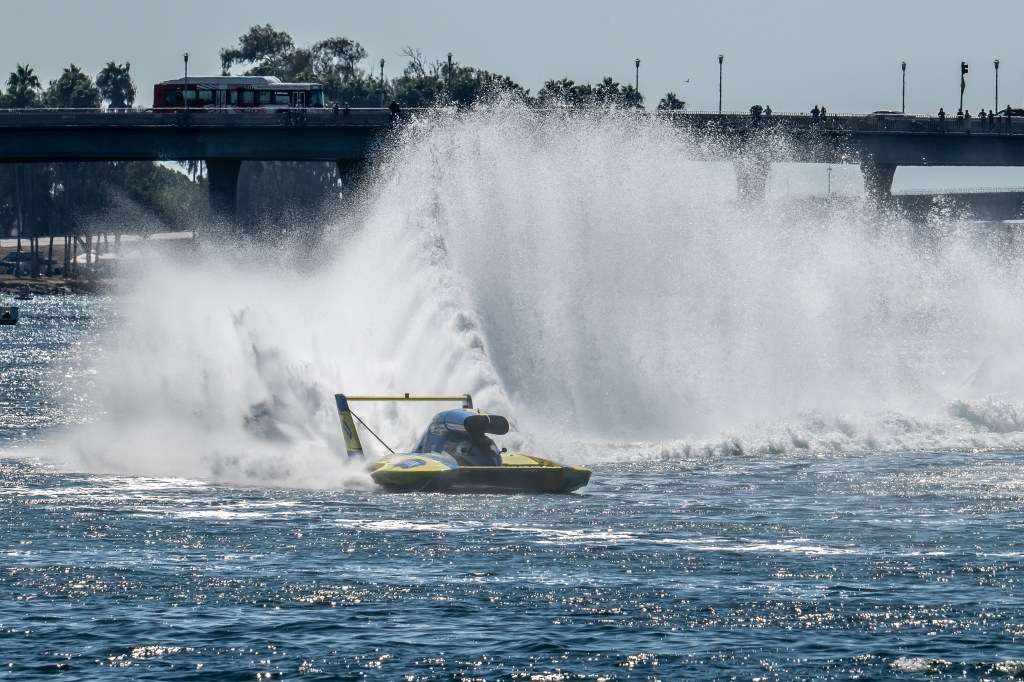
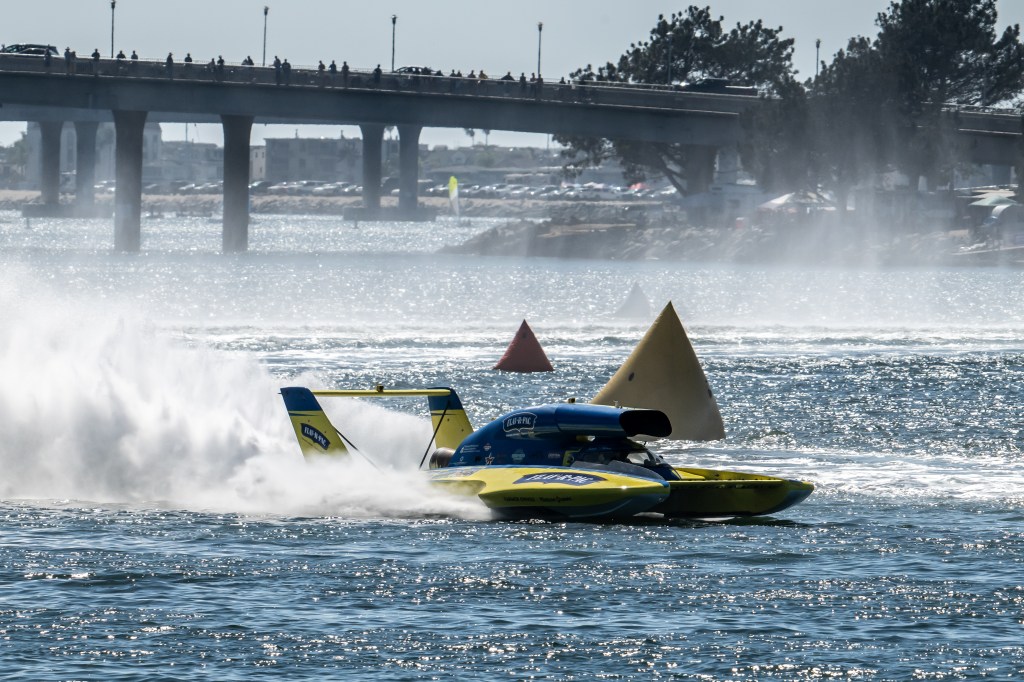
Every September, Mission Bay becomes the setting for one of Southern California’s biggest powerboat racing events. For three days, high-powered boats race around Mission Bay while spectators gather along the shoreline to watch the action.
There are plenty of ways to enjoy San Diego’s waterfront, but few are quite as loud, fast and exciting as San Diego Bayfair.
Every September, Mission Bay becomes the setting for one of Southern California’s biggest powerboat racing events. For three days, high-powered boats race around Mission Bay while spectators gather along the shoreline to watch the action.
San Diego Bayfair returns to Mission Bay September 18–20, 2026, bringing with it hydroplane racing, additional powerboat classes, food, entertainment and other activities.
The Roar of the Hydroplanes
The first thing you notice at Bayfair is the sound.
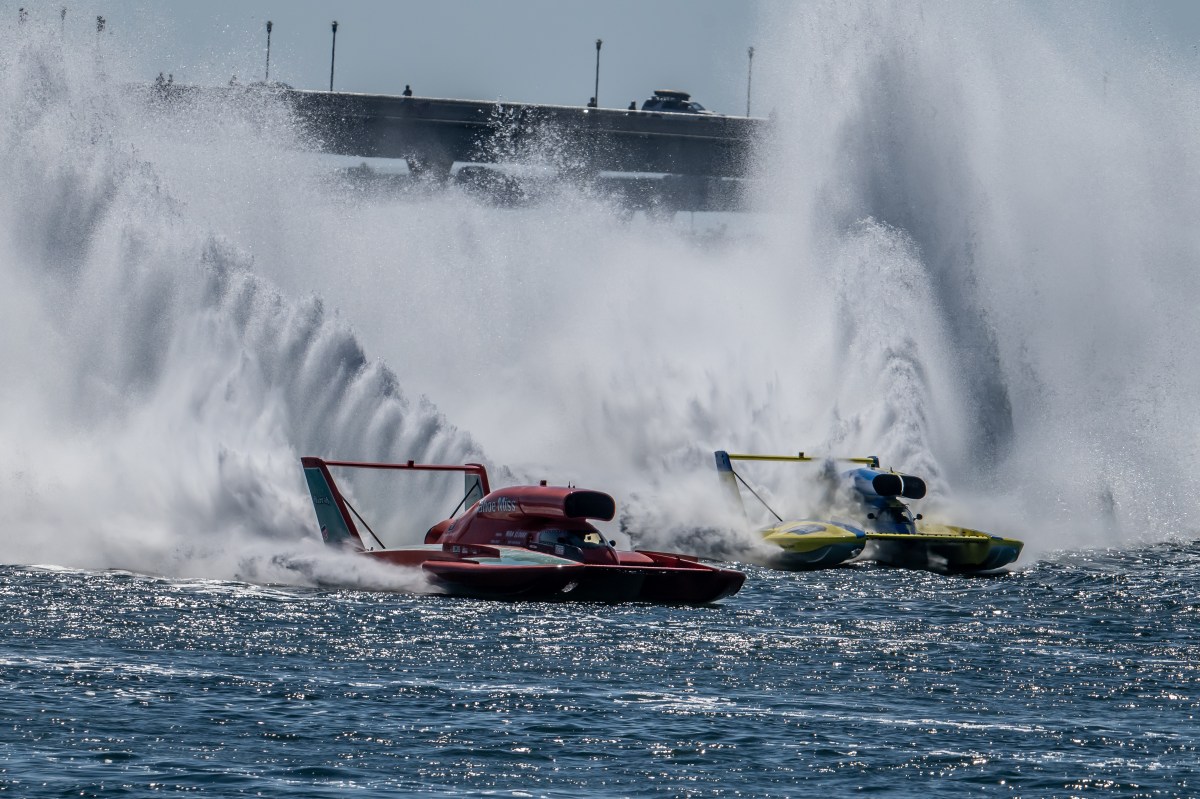
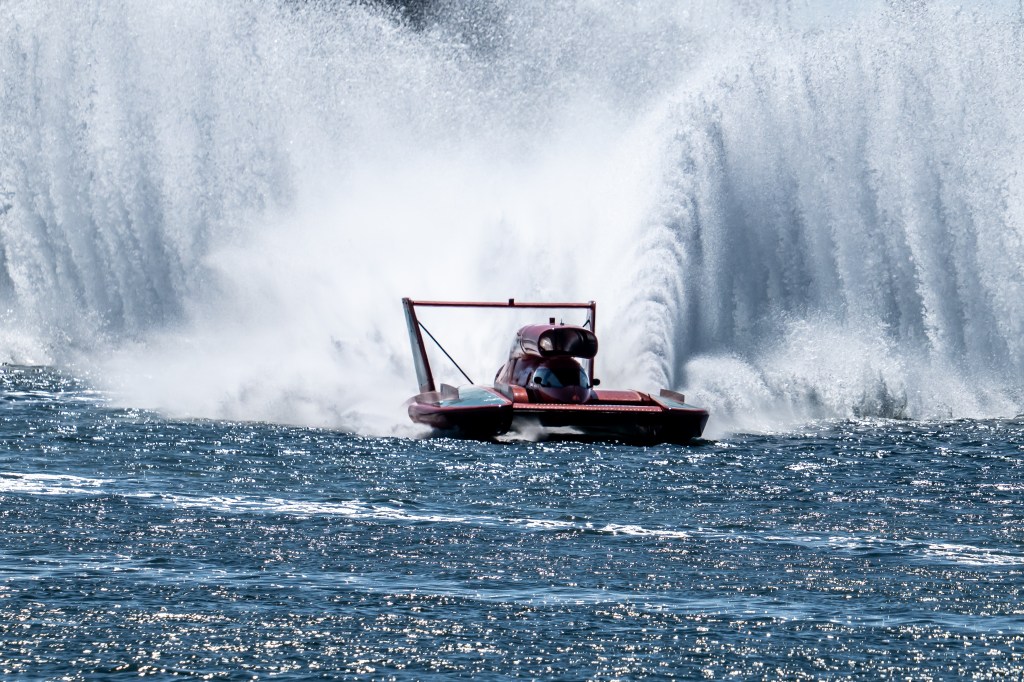
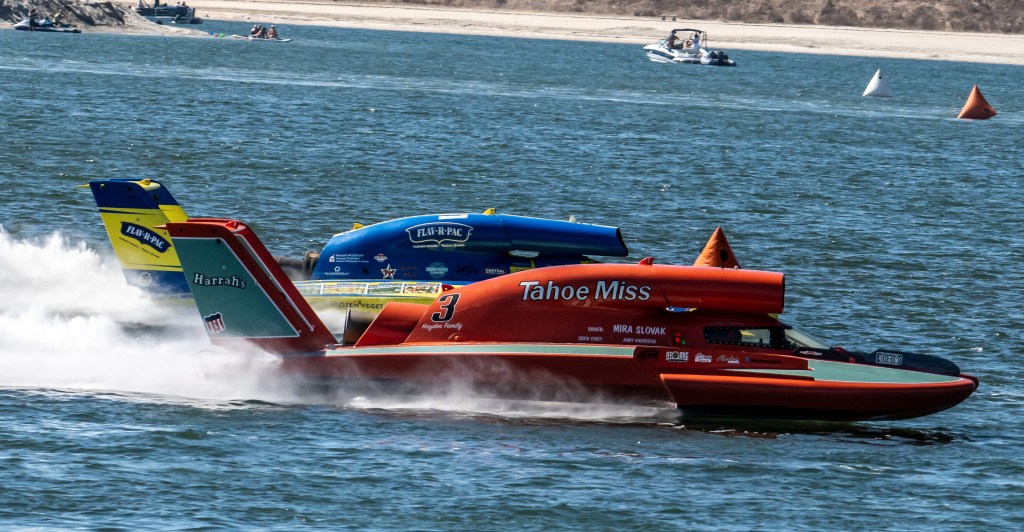
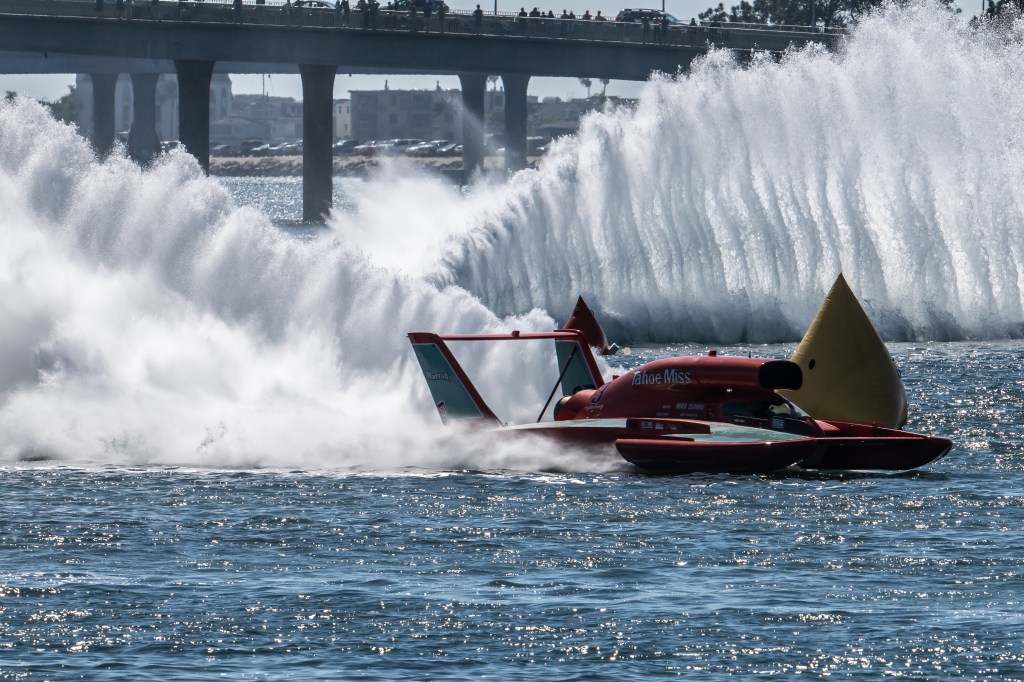
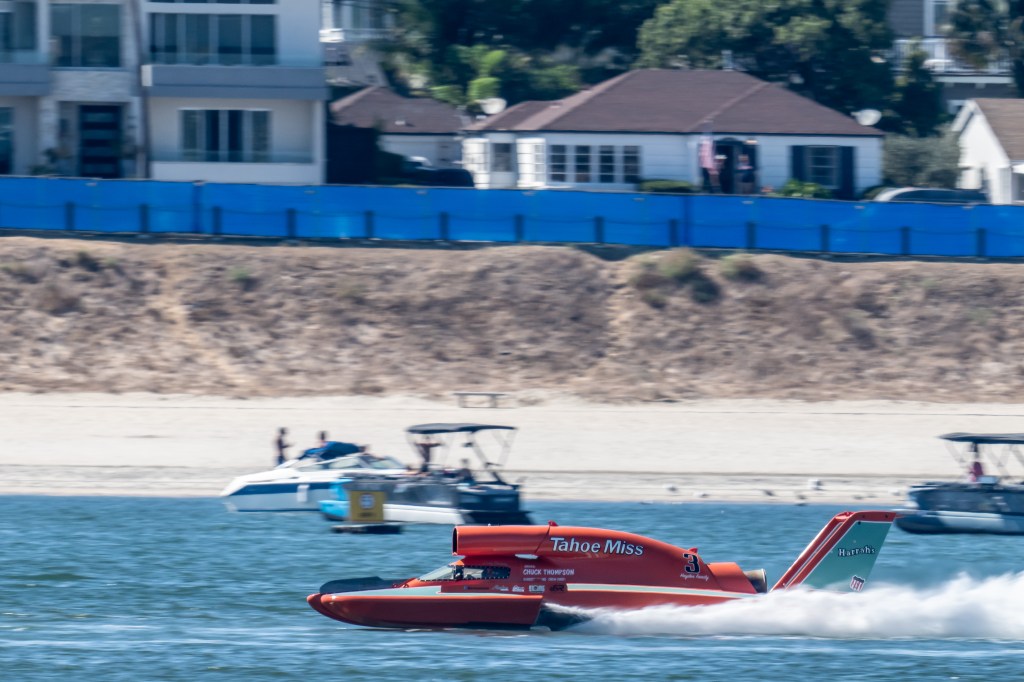
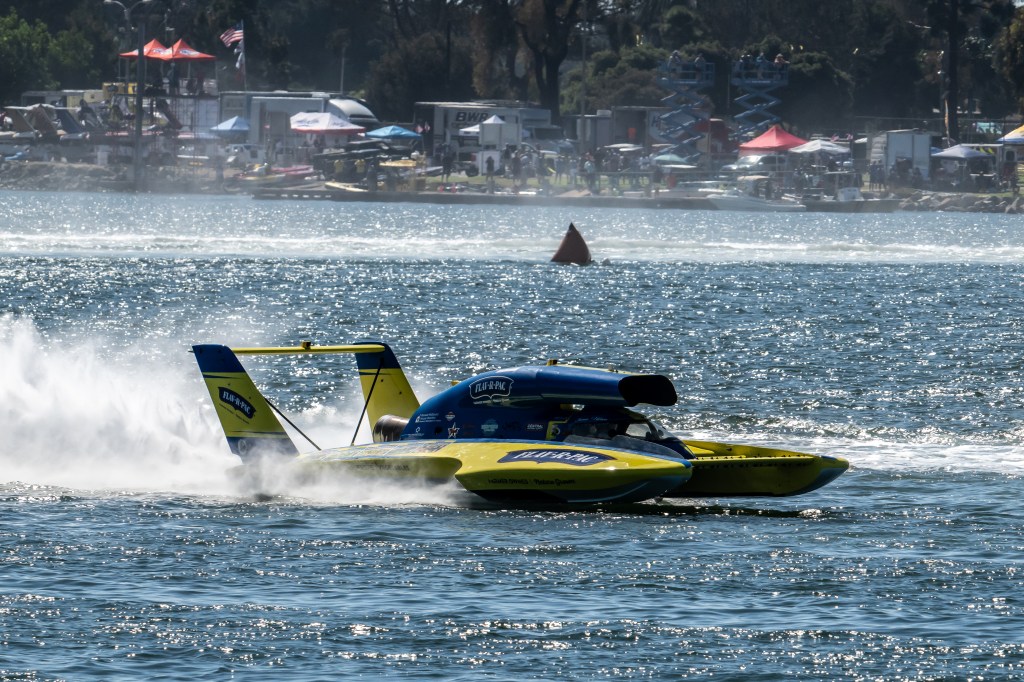
The engines of the racing boats can be heard across Mission Bay as the boats accelerate around the course. The H1 Unlimited hydroplanes are particularly impressive. These powerful racing machines skim across the water at incredible speeds, throwing huge rooster tails of water behind them.
The 2026 event features the H1 Unlimited series along with Grand Prix America, Hydro-Games and other racing classes.
For anyone who enjoys motorsports, it is a fascinating experience to see the same kind of speed normally associated with a racetrack taking place on the water.
Racing on Mission Bay
The Bayfair course has a long history.
The first race was held on Mission Bay in 1964, and the event has grown into a longtime San Diego tradition. The current 2.5-mile course is named the Bill Muncey Course, after hydroplane racing legend Bill Muncey, who helped establish racing on Mission Bay.
The course takes advantage of the unique geography of Mission Bay, with viewing areas around places including Ski Beach, Crown Point, Fiesta Island and Vacation Isle.
That means there isn’t just one way to experience the races. Moving around the bay can give you completely different perspectives of the boats as they charge through the turns.
Watching the Races
If you’re visiting Bayfair for the first time, give yourself time to explore rather than staying in one spot all day.
The different viewing locations around Mission Bay provide different perspectives of the racecourse. Watching the boats approach a turn is particularly impressive as they accelerate toward the corner and throw walls of spray into the air.
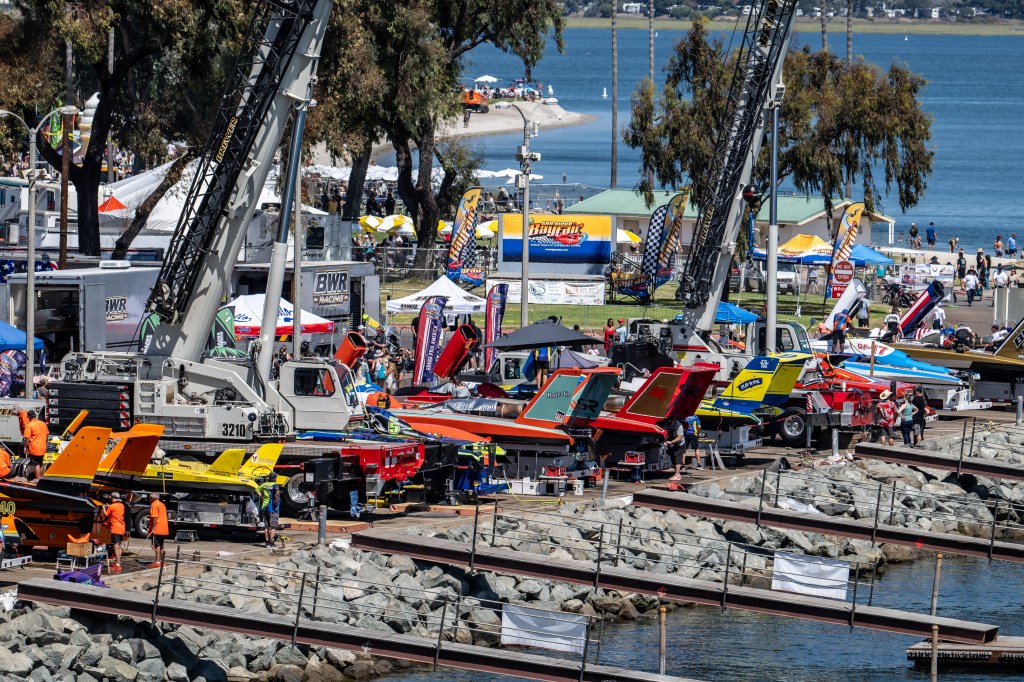
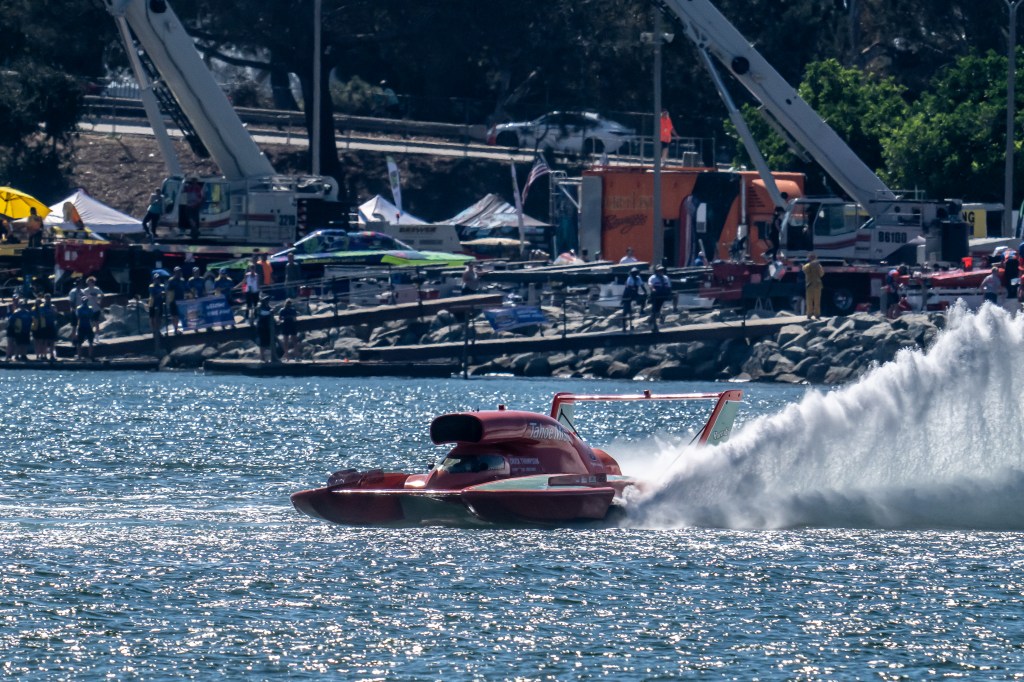
And don’t forget to look toward the pits.
Seeing the boats up close provides a completely different perspective. The size, engines and mechanical complexity become much more apparent when you’re standing next to them rather than watching them from across the water.
Planning Your Visit
San Diego Bayfair 2026 September 18–20, 2026 Mission Bay, San Diego
The event takes place around Mission Bay, with activities and viewing areas including Ski Beach, Crown Point, Fiesta Island and Vacation Isle. The organizers’ official schedule and ticket information are the best places to check before heading out.
For anyone looking for a San Diego experience that combines waterfront scenery, motorsports and a little bit of controlled chaos, Bayfair is worth putting on the calendar.
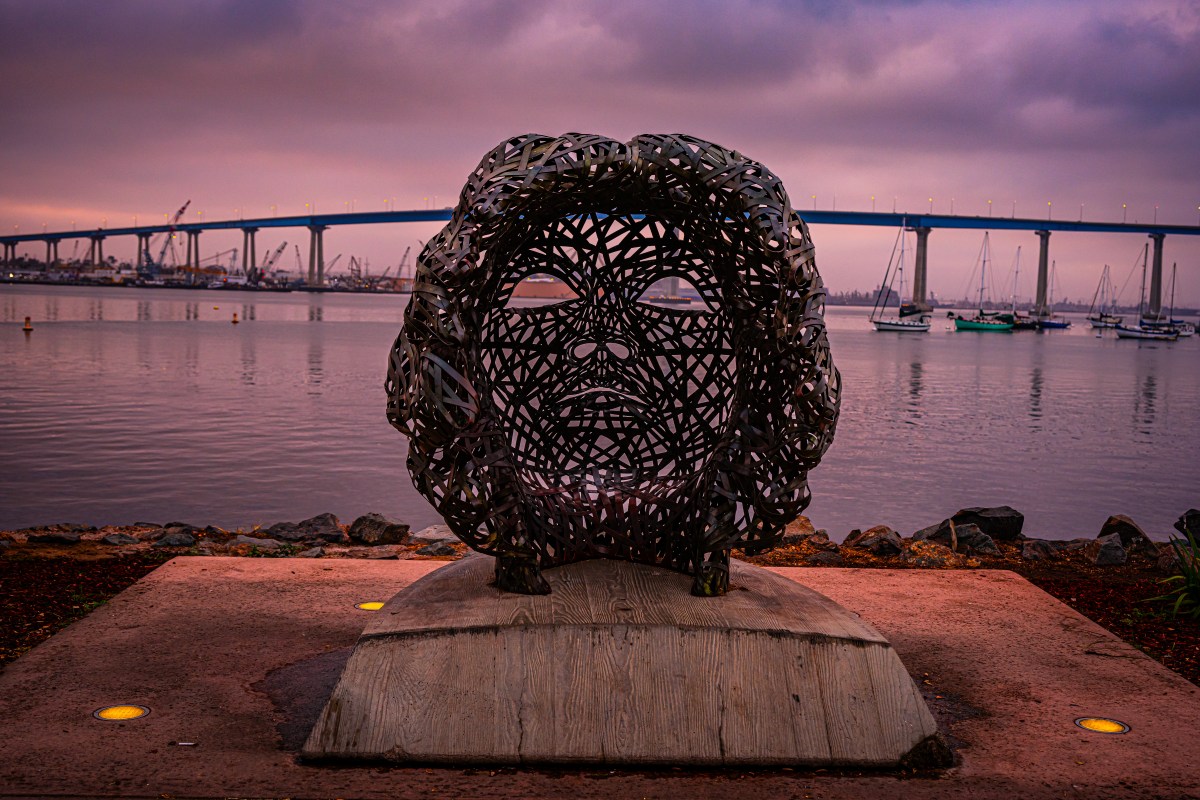
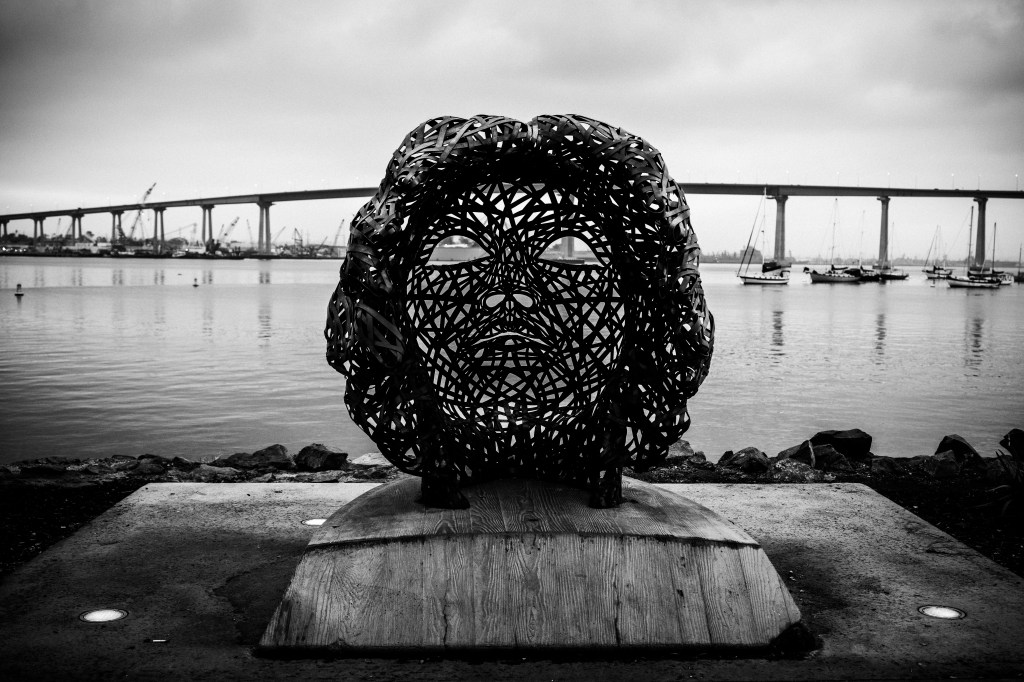
Walking along the waterfront at Coronado Tidelands Park, it is easy to focus on the views of San Diego Bay, passing boats and the Coronado Bridge. But along the bike path is a striking piece of public art that has its own story to tell: “Penelope,” a bronze sculpture by artist Michael Stutz.
Standing nearly seven feet tall, Penelope depicts the legendary woman from Homer’s The Odyssey. The sculpture was commissioned through the Port of San Diego’s Public Art Program and was created in 2009. Today, it stands at Tidelands Park, where its location overlooking the bay provides an especially fitting setting for the story behind the artwork.
A Face Made of Bronze
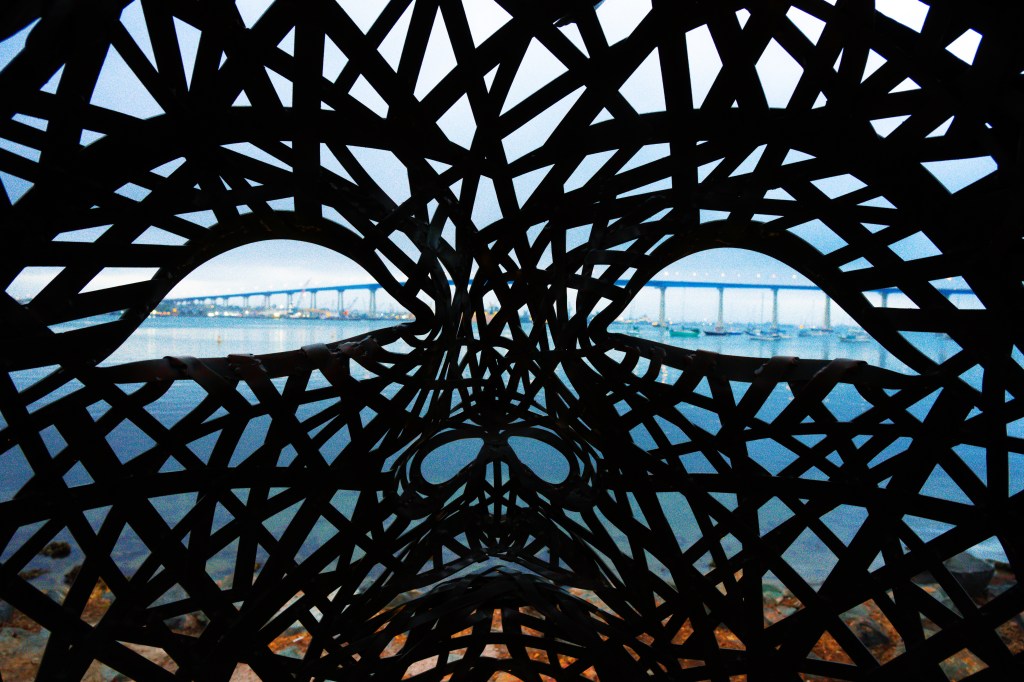
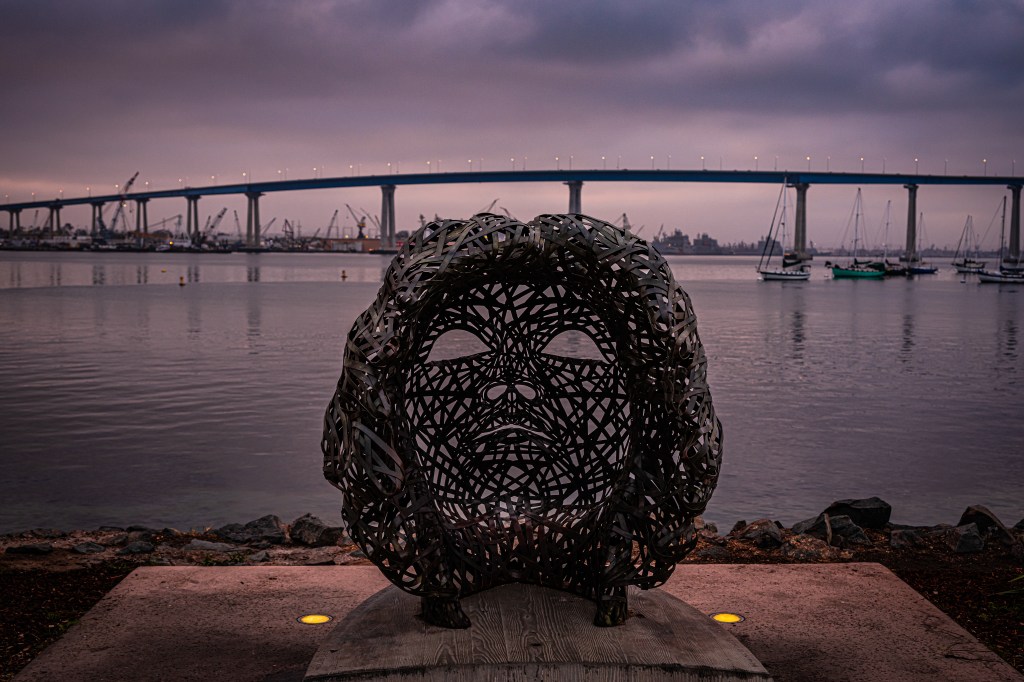
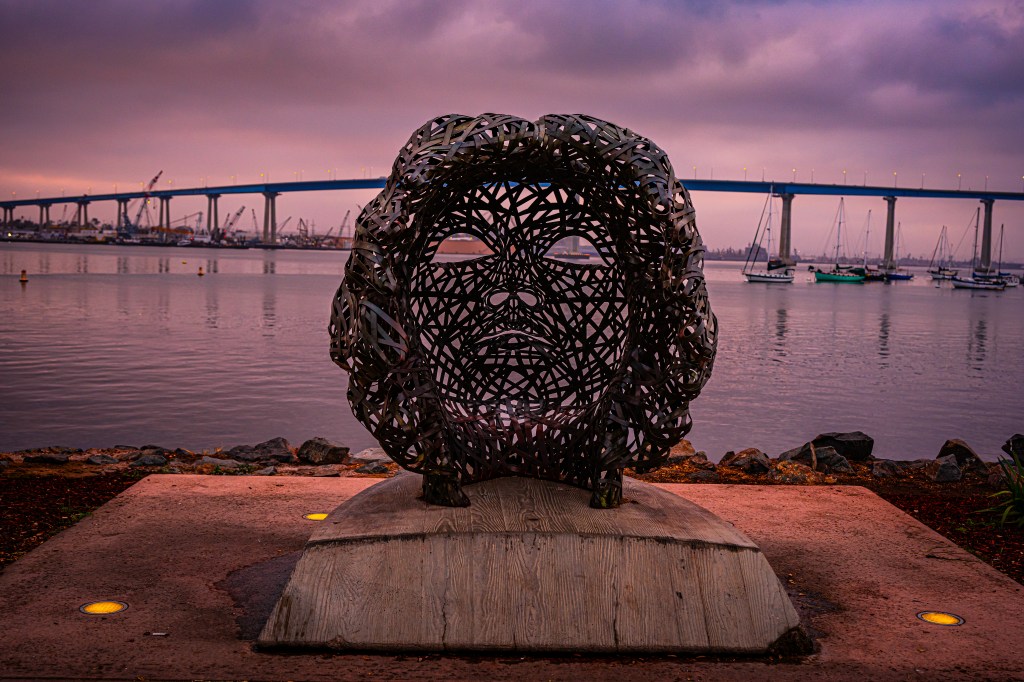
At first glance, Penelope looks almost like a large bronze mask. Her face and flowing hair are formed from strips of welded bronze, creating an open, woven appearance.
That woven design is more than an artistic choice. It connects directly to Penelope’s story in The Odyssey. According to the ancient epic, her husband Odysseus was away for years, leaving Penelope to fend off numerous suitors who believed he would never return.
Penelope devised a plan to delay choosing another husband. She told the suitors she would make a burial shroud for Odysseus’ father and would choose a husband once the weaving was finished. During the day she worked on the shroud, but at night she secretly unraveled what she had woven.
The cycle allowed her to continue waiting for Odysseus.
Michael Stutz incorporated this idea of weaving into the sculpture itself. The bronze strips create a pattern that gives the figure an almost fabric-like quality while also allowing light and the surrounding landscape to show through the sculpture.
From the San Diego Waterfront to Coronado
Penelope has actually had more than one home around San Diego Bay.
The sculpture was originally installed on the San Diego waterfront near Seaport Village. It was later moved into storage during construction associated with Ruocco Park. After a period away from public view, Penelope returned to the waterfront in 2019 when she was installed at Coronado Tidelands Park.
Her current location adds another layer to the story.
From Tidelands Park, Penelope looks across the water toward San Diego. Boats move through the bay, and the Coronado Bridge stretches across the background. It is an unusually appropriate setting for a sculpture about someone waiting for a loved one to return from a long journey.
Public Art With a Story
One of the things I enjoy about public art is that you can encounter it without planning a trip to a museum. You might be walking, riding a bicycle or simply enjoying the waterfront when something catches your attention.
Penelope rewards that kind of encounter.
The sculpture is not simply a representation of a character from Greek mythology. Its design, location and subject all work together. The open bronze strips create movement and transparency, while the waterfront setting makes the ancient story of waiting and returning feel connected to the modern landscape.
The Port of San Diego lists Penelope as part of its Art on the Tidelands collection, and the sculpture is located along the bike path at Coronado Tidelands Park.
A Sculpture Worth Stopping For
The next time you’re at Coronado Tidelands Park, take a few minutes to look for Penelope. Walk around the sculpture and view it from different angles. The open construction changes the way the surrounding sky, water and landscape appear through the bronze.
It is also worth remembering the story behind the face.
Thousands of years after Homer wrote about Penelope waiting for Odysseus, her story has found a new setting beside San Diego Bay. Here, surrounded by boats and water, Michael Stutz’s sculpture gives an ancient story of patience, loyalty and hope a very modern home.
Penelope is more than a sculpture along the waterfront. It is a reminder that public art can connect a place, a story and a piece of history in unexpected ways.
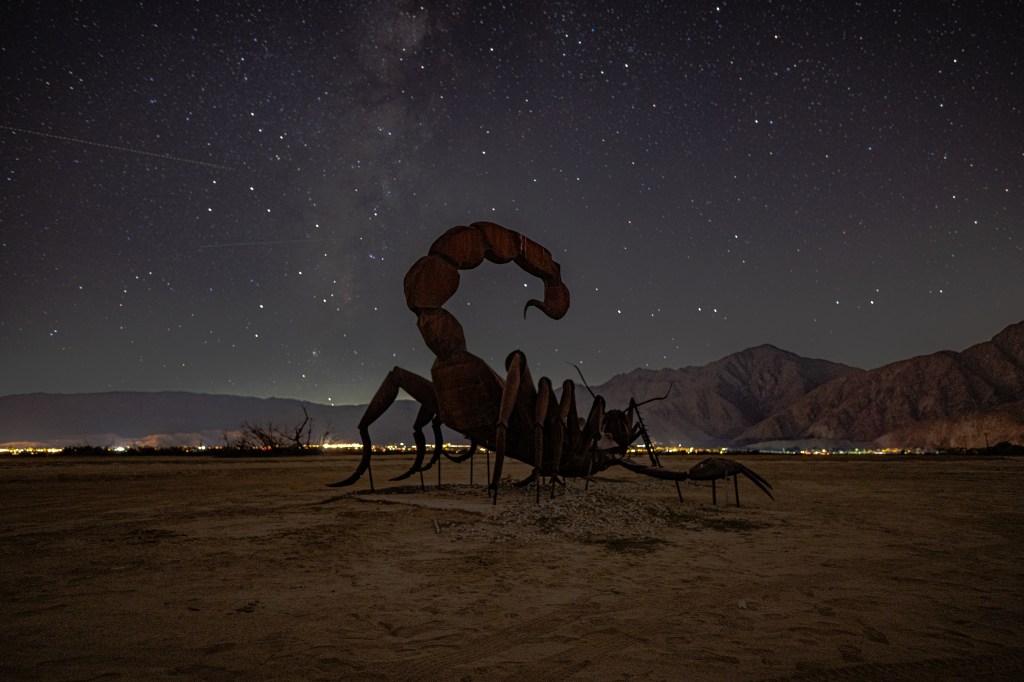
Located two hours east of San Diego, Anza-Borrego Desert State Park feels like stepping onto another planet. With its vast open spaces, rugged badlands, and springtime wildflower blooms, it’s a destination that perfectly captures California’s wild desert beauty.
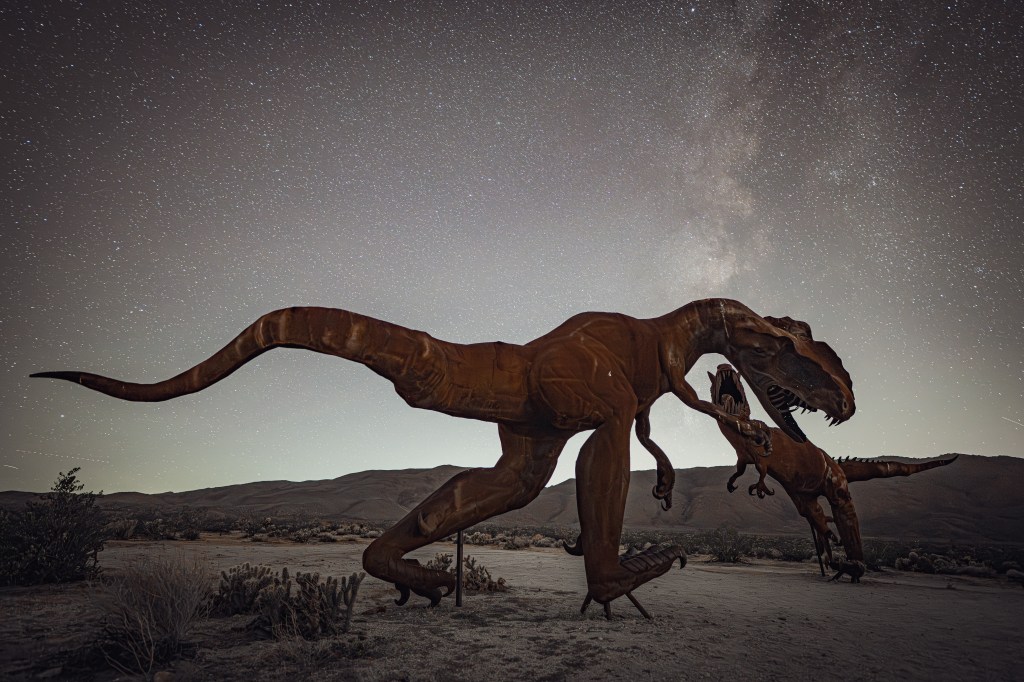
Named after Spanish explorer Juan Bautista de Anza and the Spanish word borrego (for “bighorn sheep”), the park is the largest state park in California—covering over 600,000 acres of desert terrain. Whether you’re chasing sunrise photos, exploring slot canyons, or searching for the iconic metal sculptures scattered across Borrego Springs, this park has something to inspire every adventurer and photographer.
🌄 Getting There
From San Diego, take I-8 East to Ocotillo or Highway 78 through Julian. The park’s main visitor center is in Borrego Springs, where you can pick up maps, check wildflower updates, and get advice from rangers before heading into the backcountry.
🌼 When to Visit
The best time to explore Anza-Borrego is from late fall through early spring, when daytime temperatures are mild. If you’re lucky enough to visit during a superbloom year (usually March–April), the desert floor comes alive with carpets of wildflowers—purple sand verbena, yellow brittlebush, and desert lilies turning the landscape into a sea of color.
🐏 Wildlife and Nature
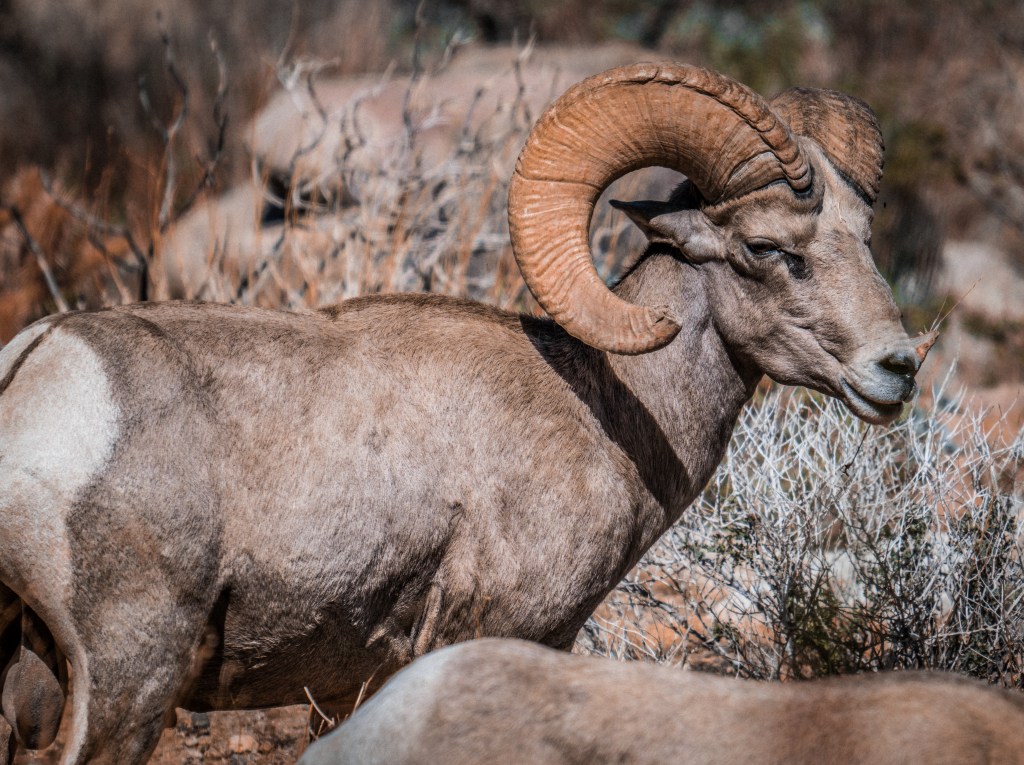
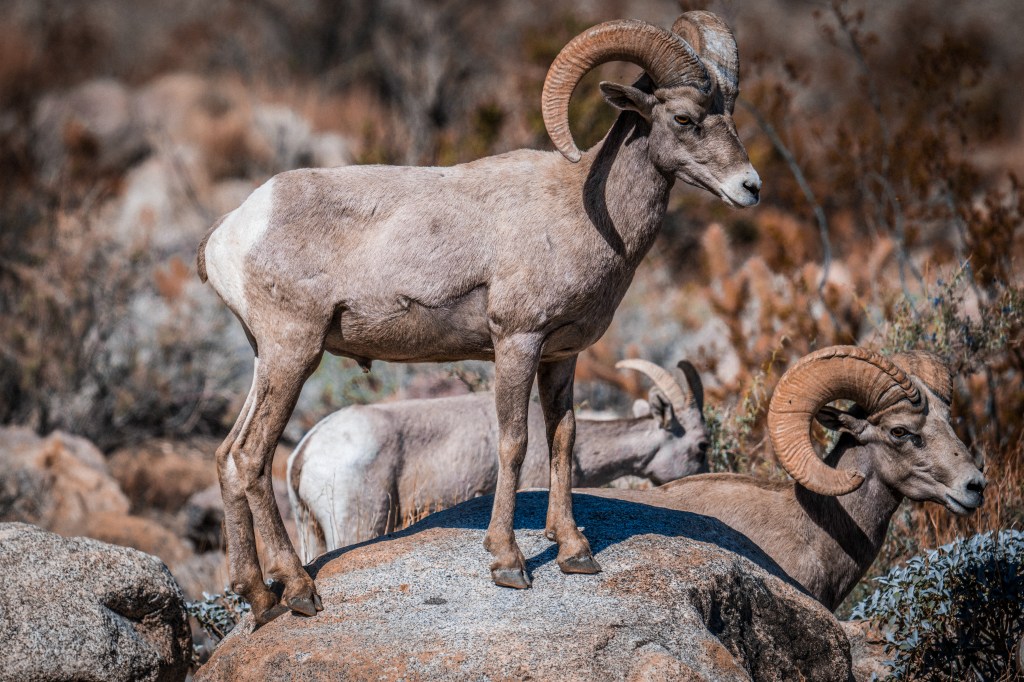
Anza-Borrego is home to the elusive desert bighorn sheep, as well as roadrunners, hawks, lizards, and jackrabbits. In the cooler months, keep your eyes on the rocky hillsides—you might just spot a borrego blending into the terrain.
📸 Tips for Photographers
Golden hours are magic: sunrise at Fonts Point, sunset near the sculptures.
Bring a tripod for astrophotography—Anza-Borrego is a certified Dark Sky Park, offering some of the best night skies in Southern California.
Mind your tires: dirt roads can get soft; check road conditions before heading out.
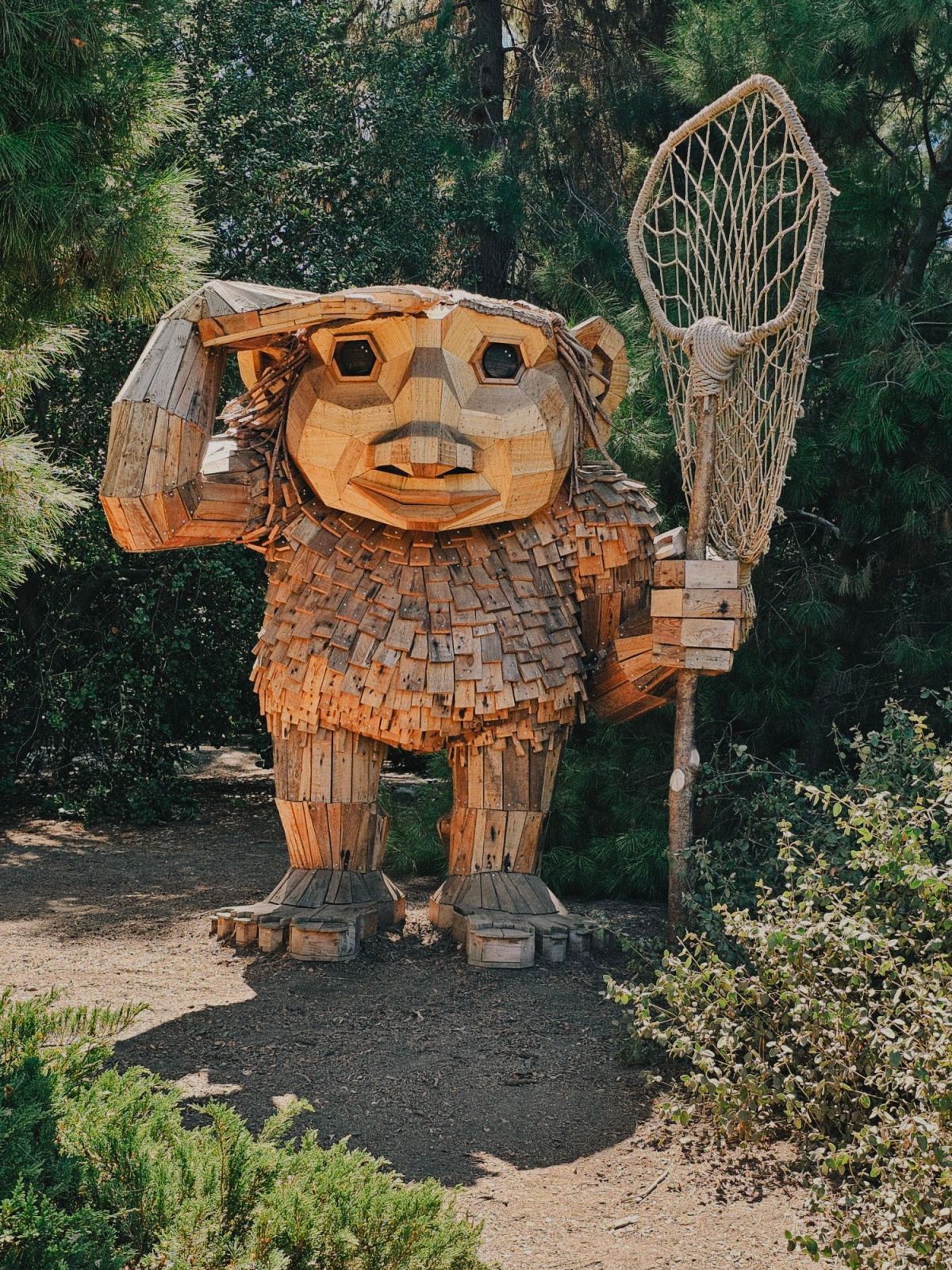
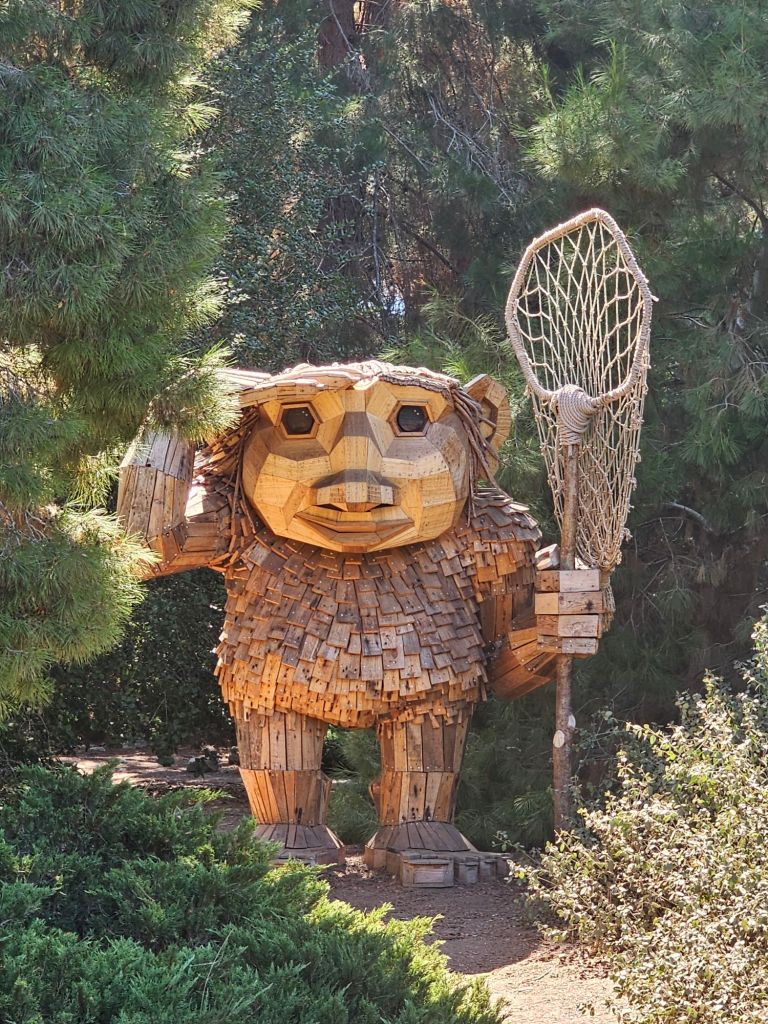
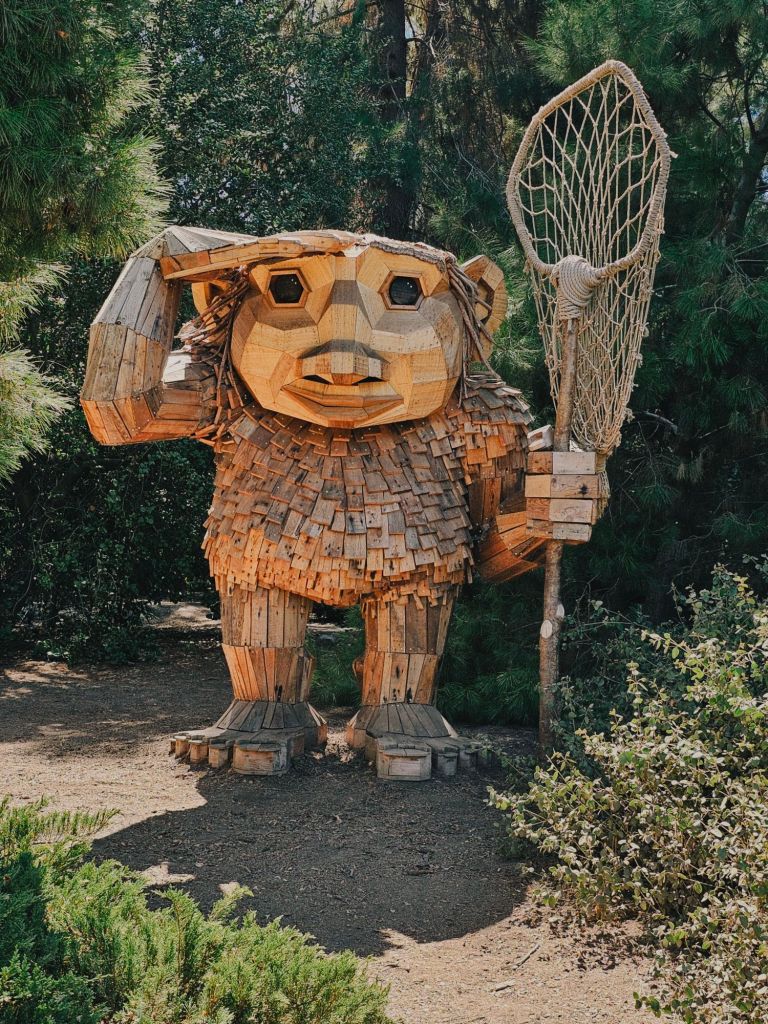
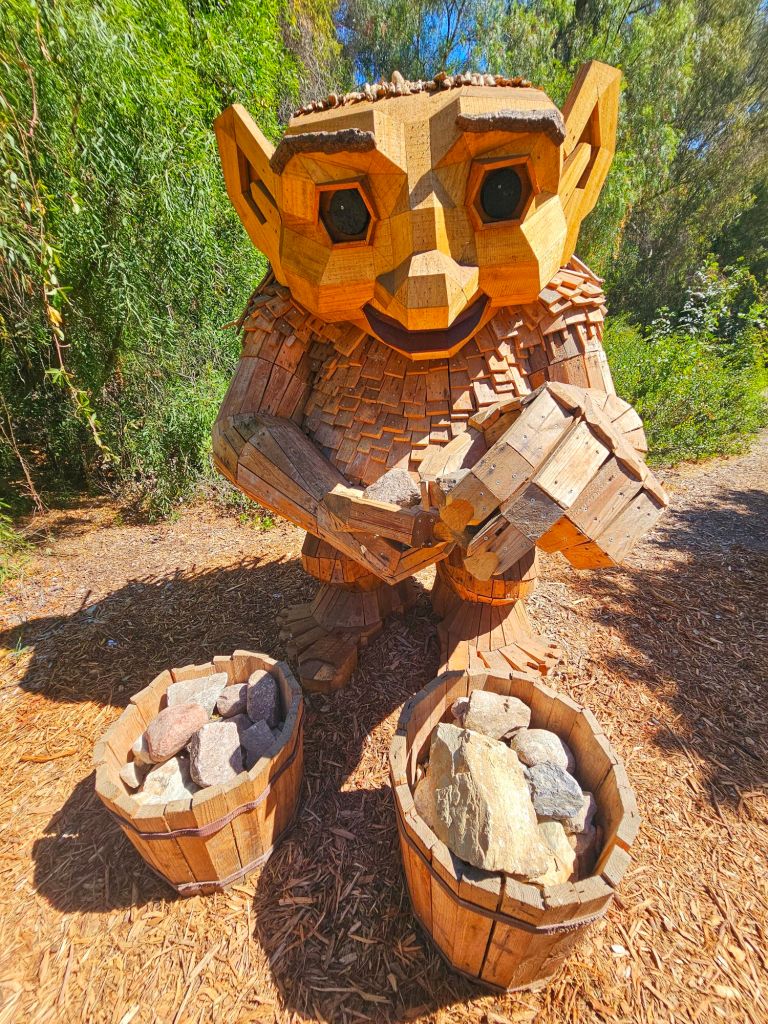
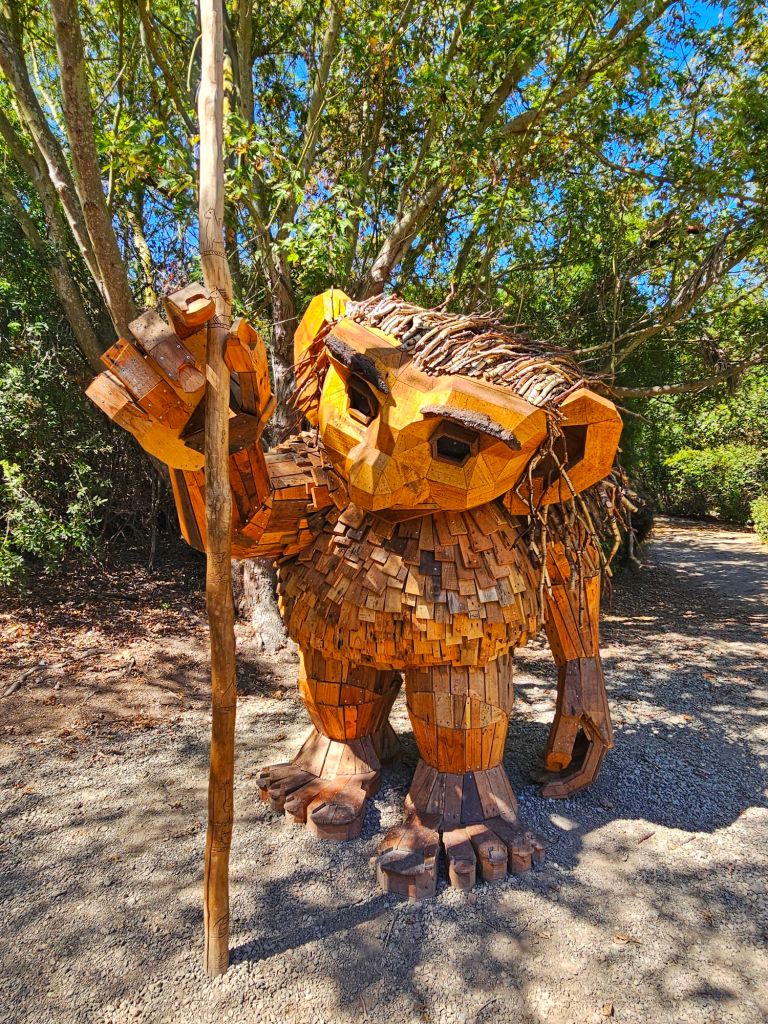
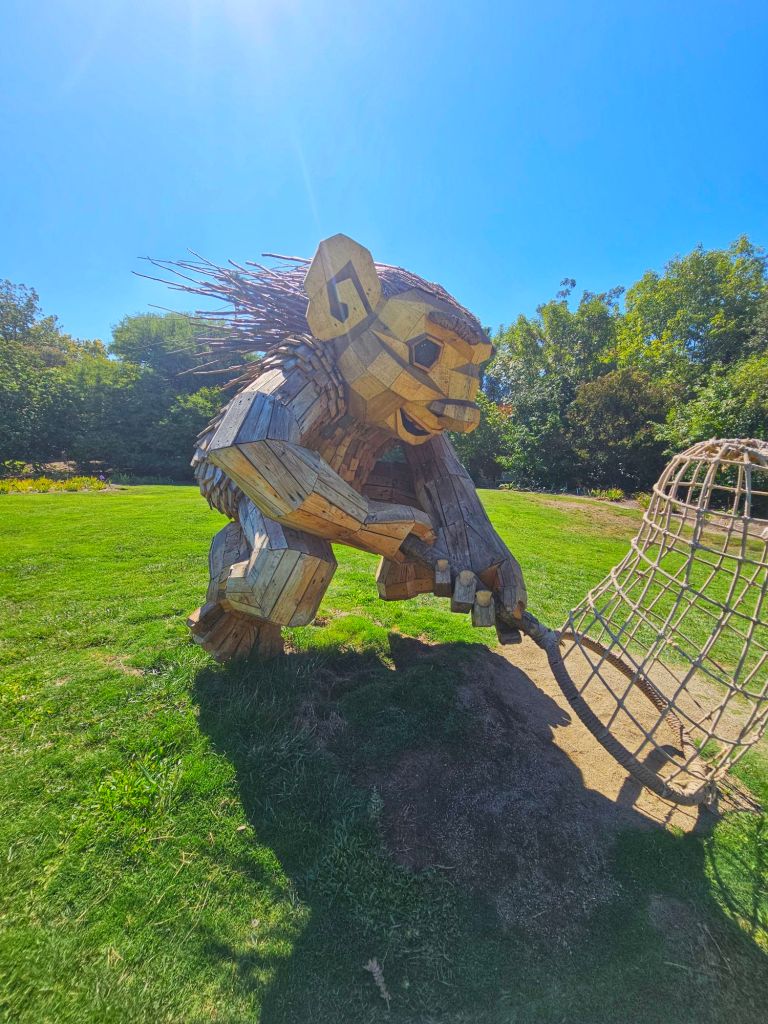
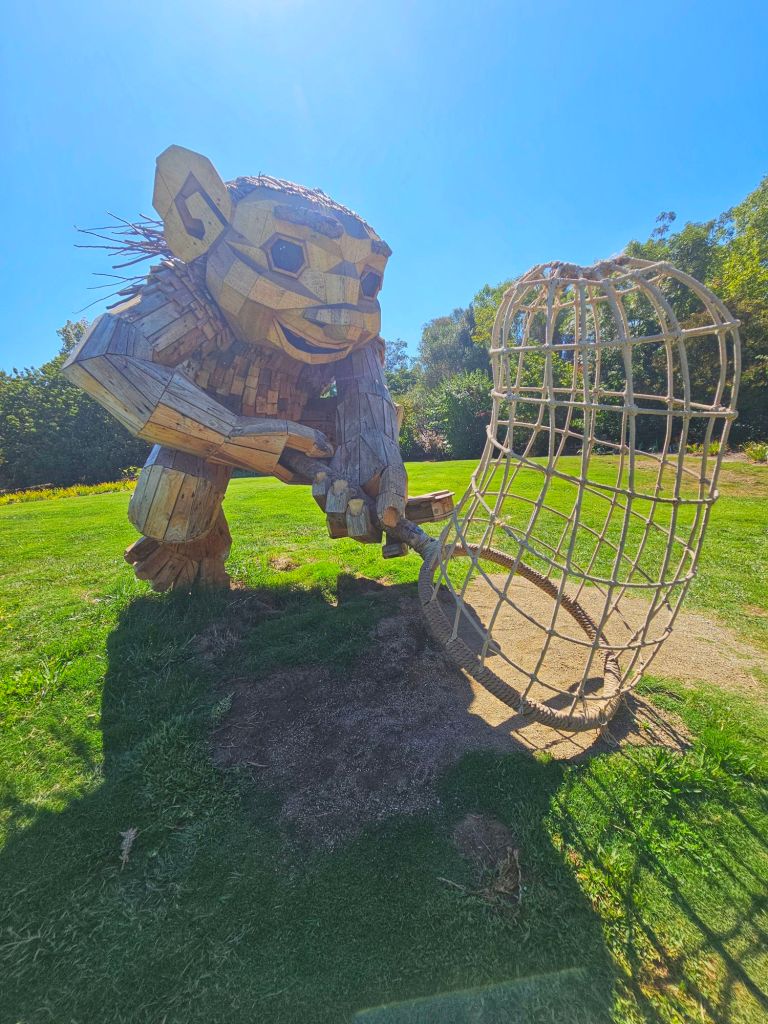
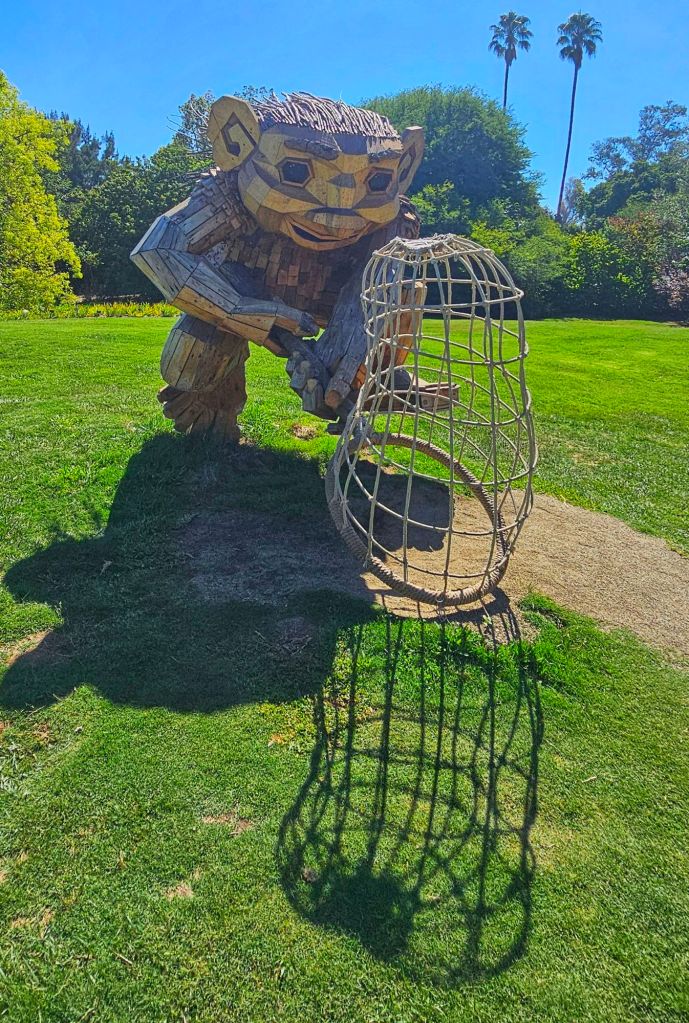
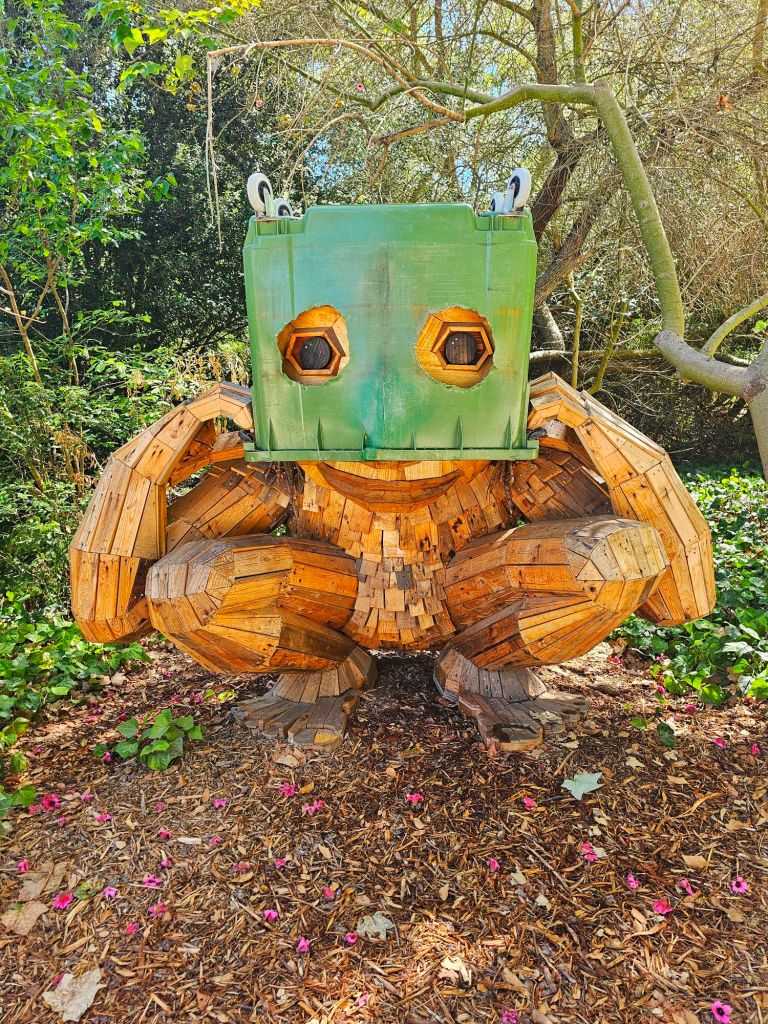
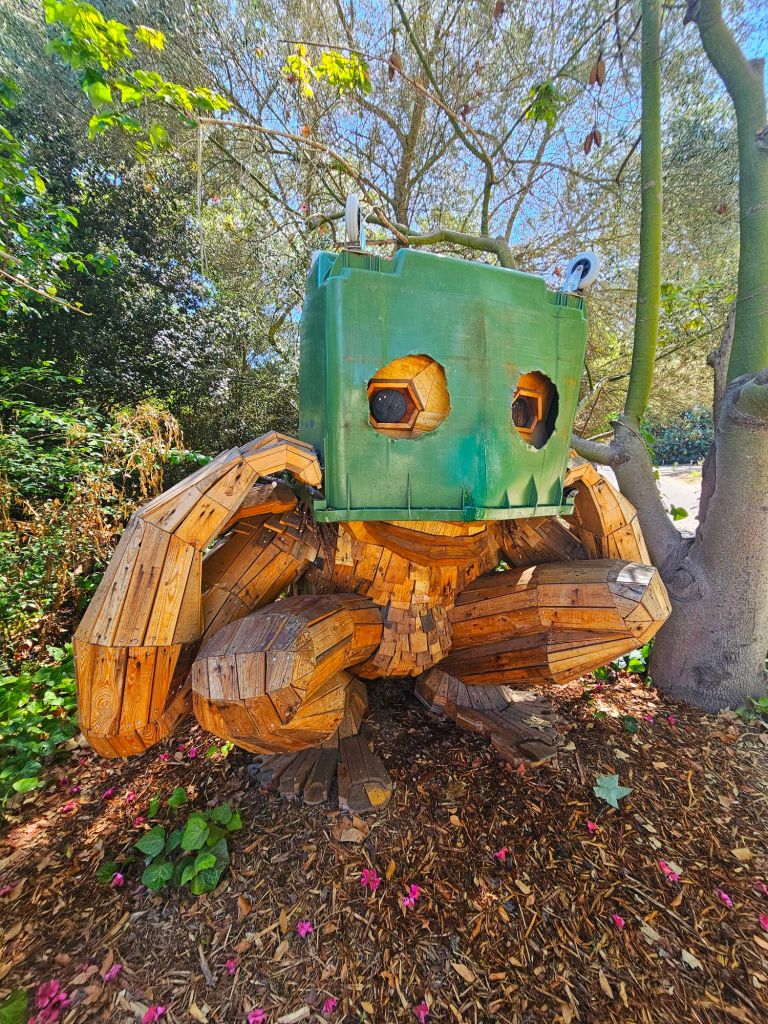
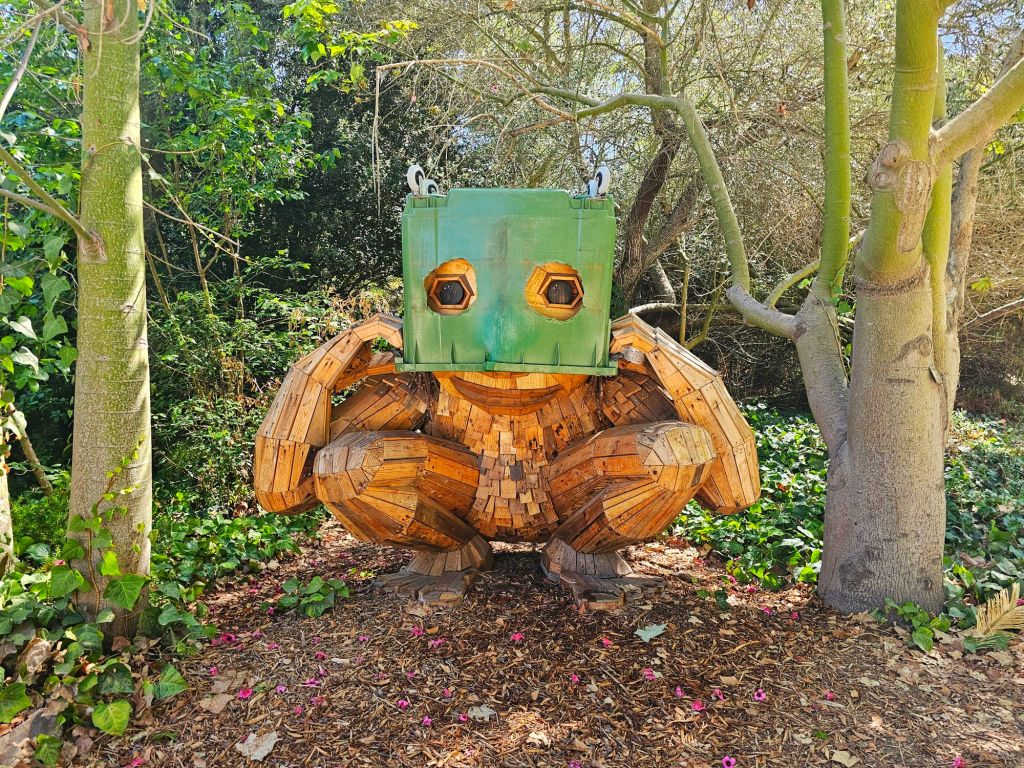
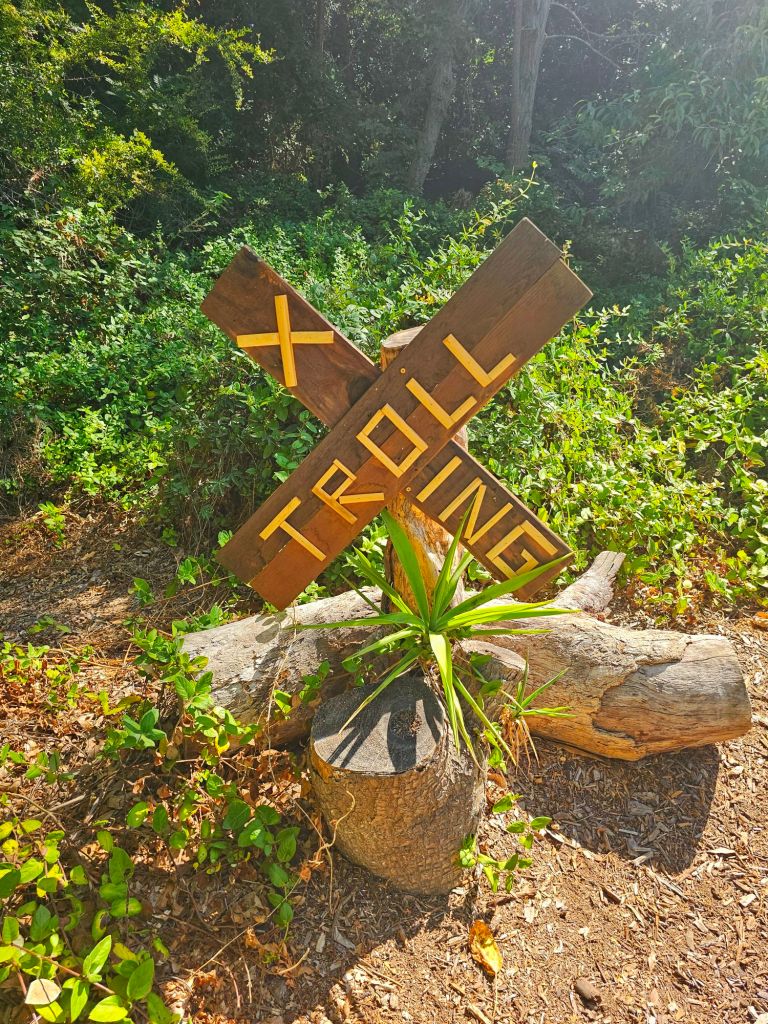
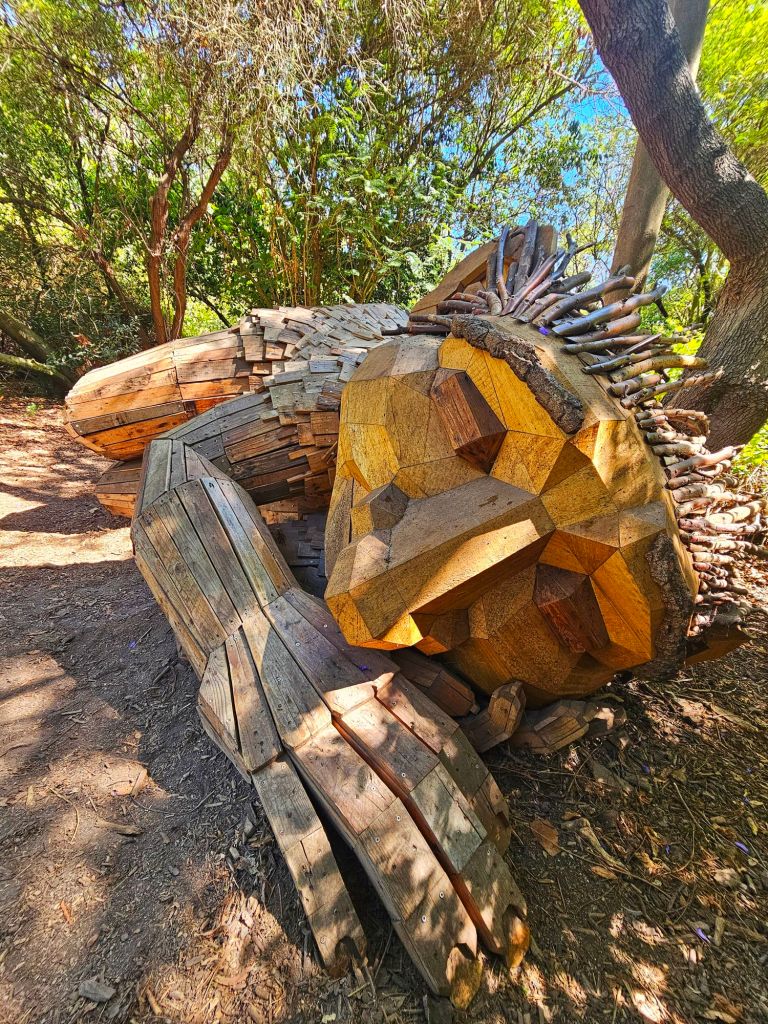
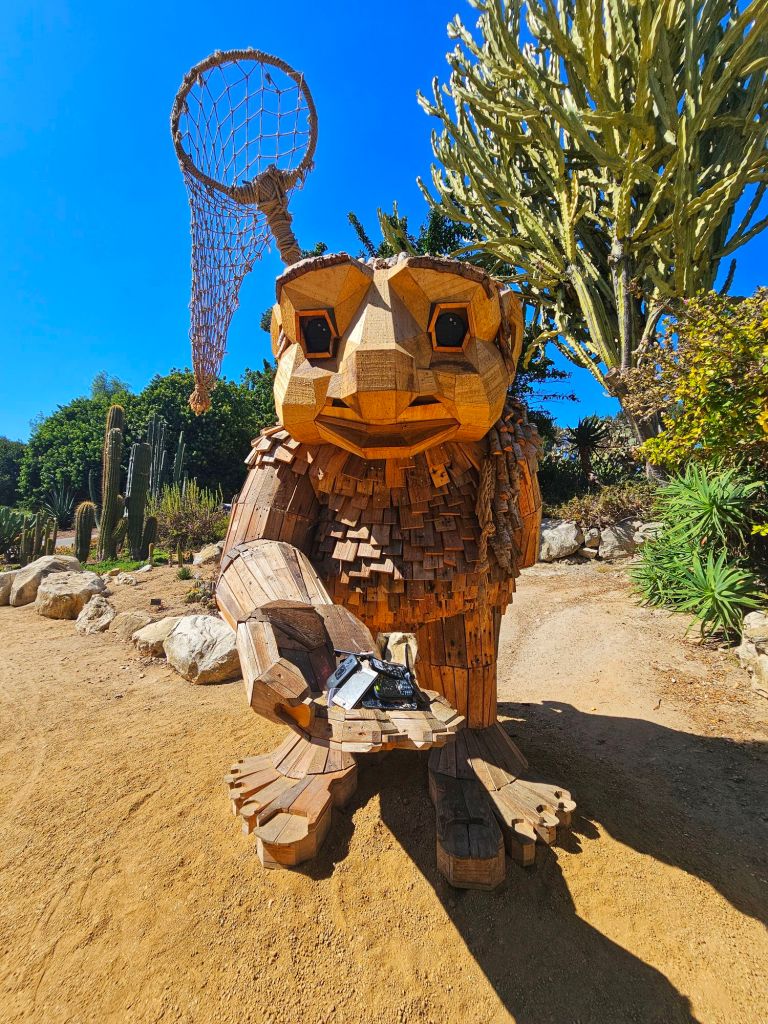
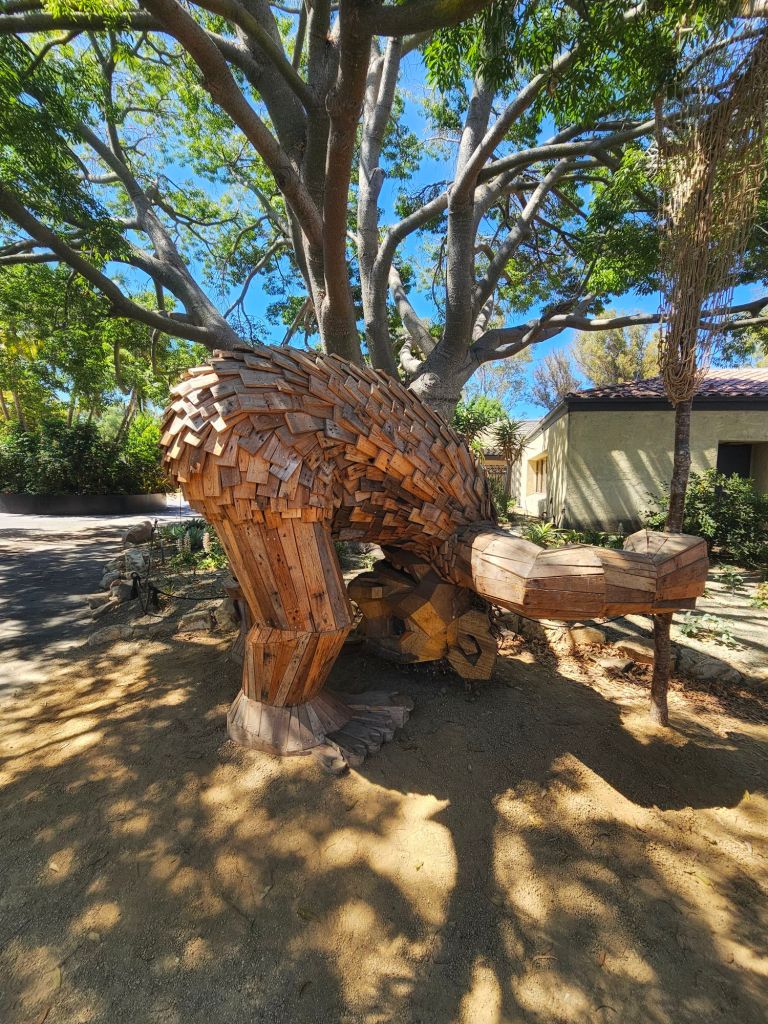
If you’re looking for something a little different to photograph in Southern California, there’s a giant surprise waiting among the plants at South Coast Botanic Garden in Palos Verdes. TROLLS: A Field Study is included with general admission to South Coast Botanic Garden. The 2026 exhibition began March 1 and continues through October 4, 2026.
The garden is located at:
South Coast Botanic Garden 26300 Crenshaw Boulevard Palos Verdes Peninsula, California
The garden is currently open daily from 8 a.m. to 5 p.m., with the last entrance at 4:30 p.m.
General admission is currently $18 for members and $21 for the general public according to the garden’s current information.
Meet the Trolls
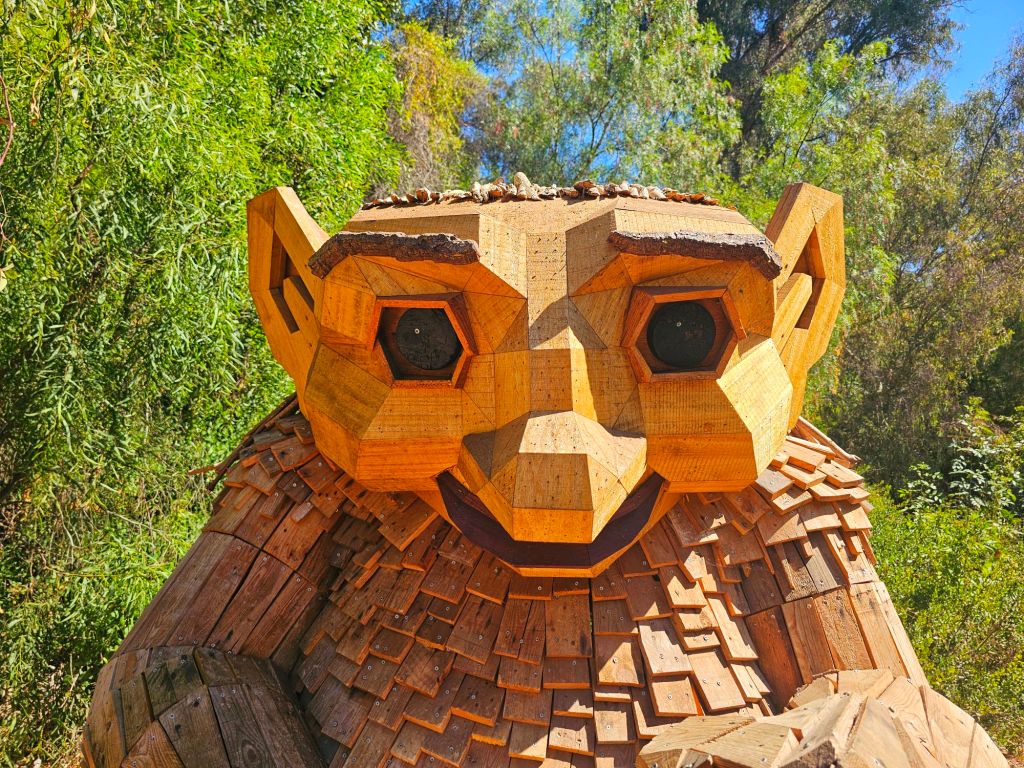
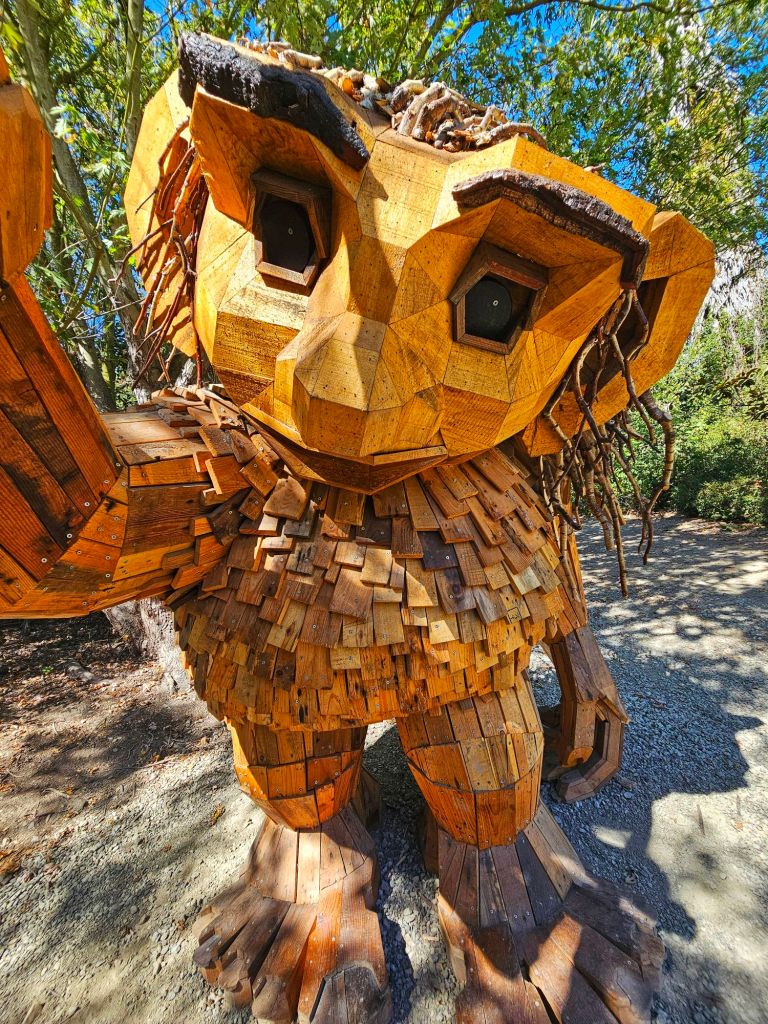
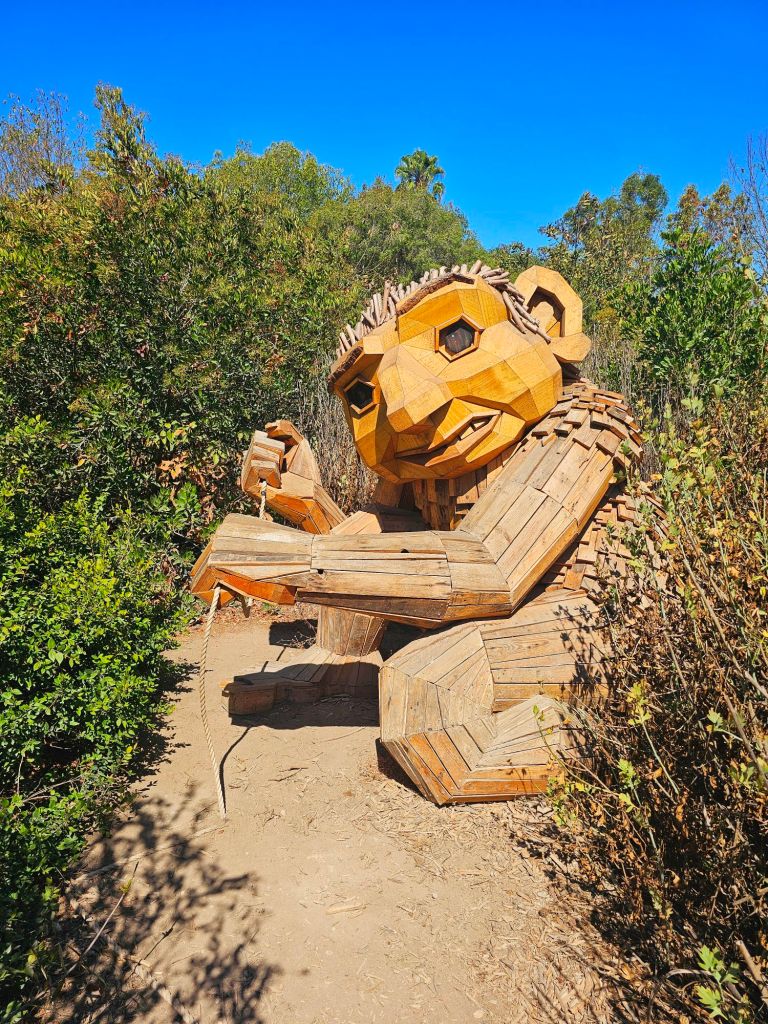
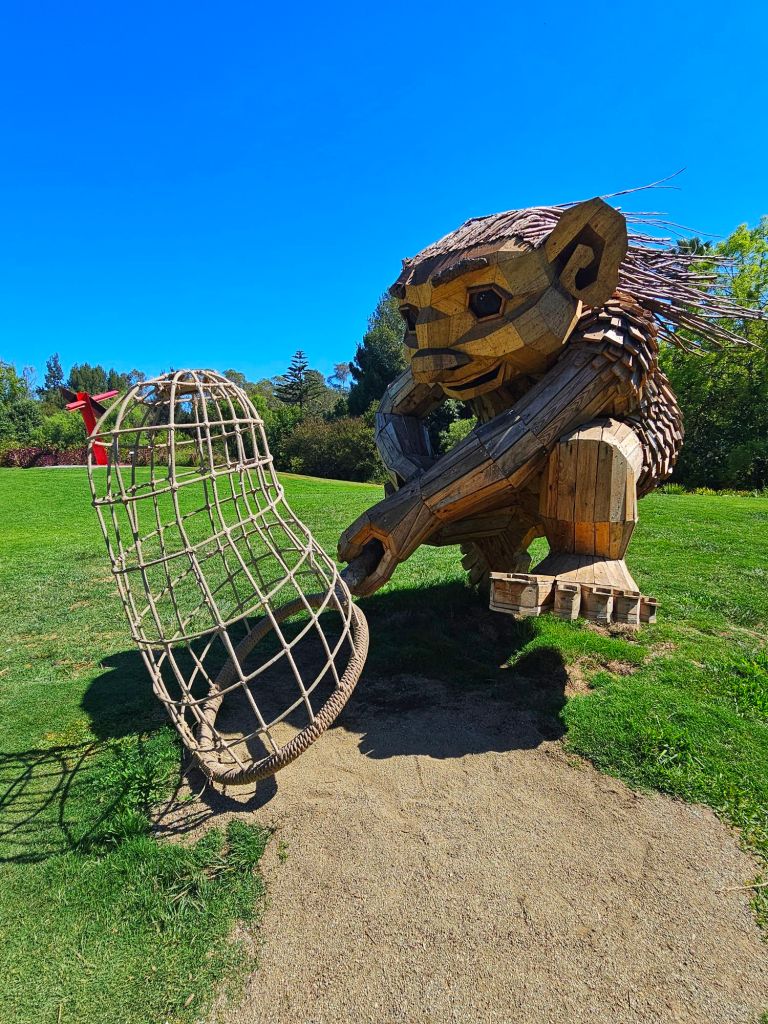
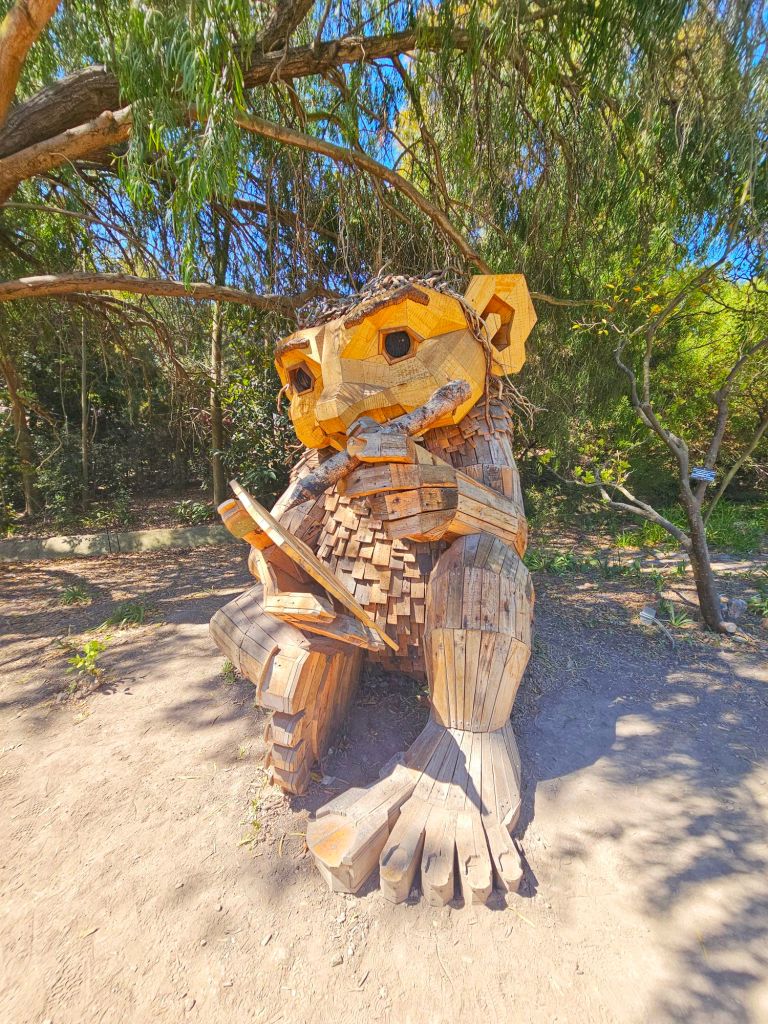
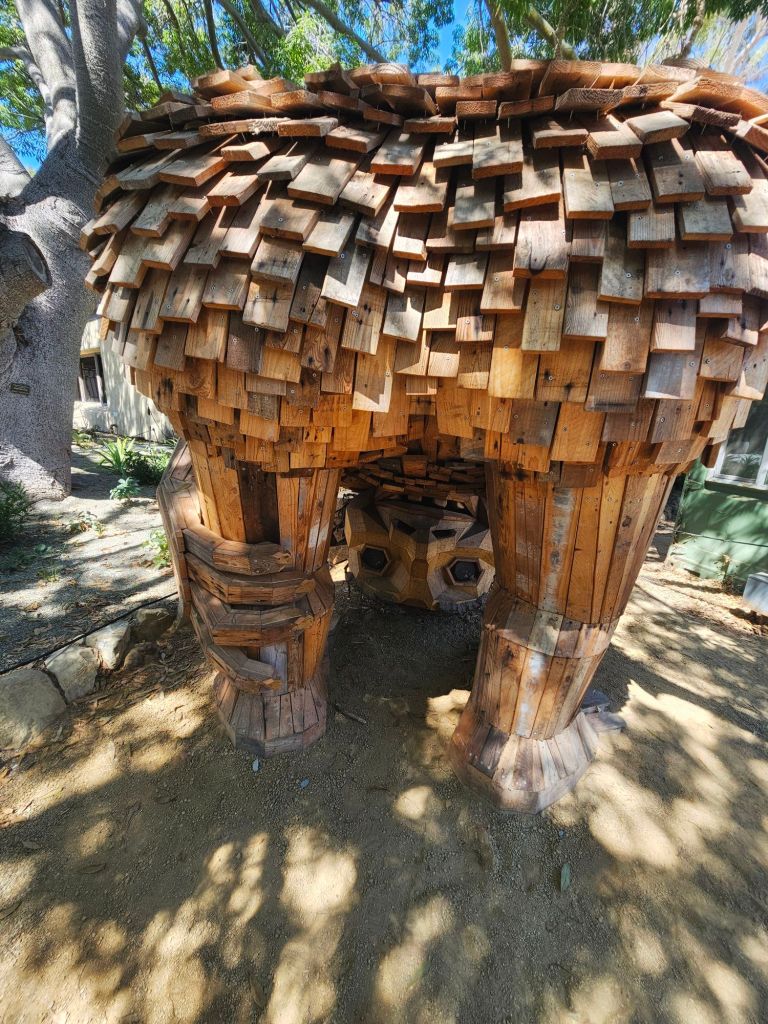
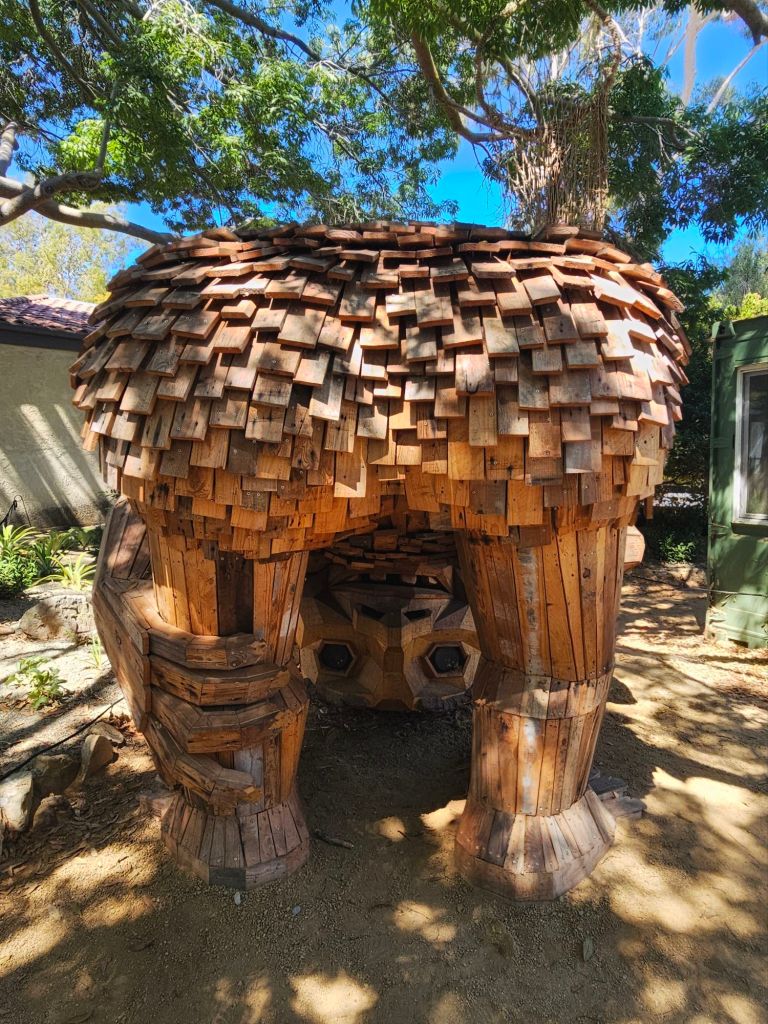
The trolls are the work of Danish environmental artist Thomas Dambo, who is internationally known for creating enormous sculptures from reclaimed and recycled materials.
For A Field Study, the 12 sculptures are presented as a group of curious giants who have come to study humans.
Instead of simply being sculptures placed on display, the trolls become part of the landscape. Their enormous size makes the surrounding trees, plants and pathways feel almost like part of a storybook.
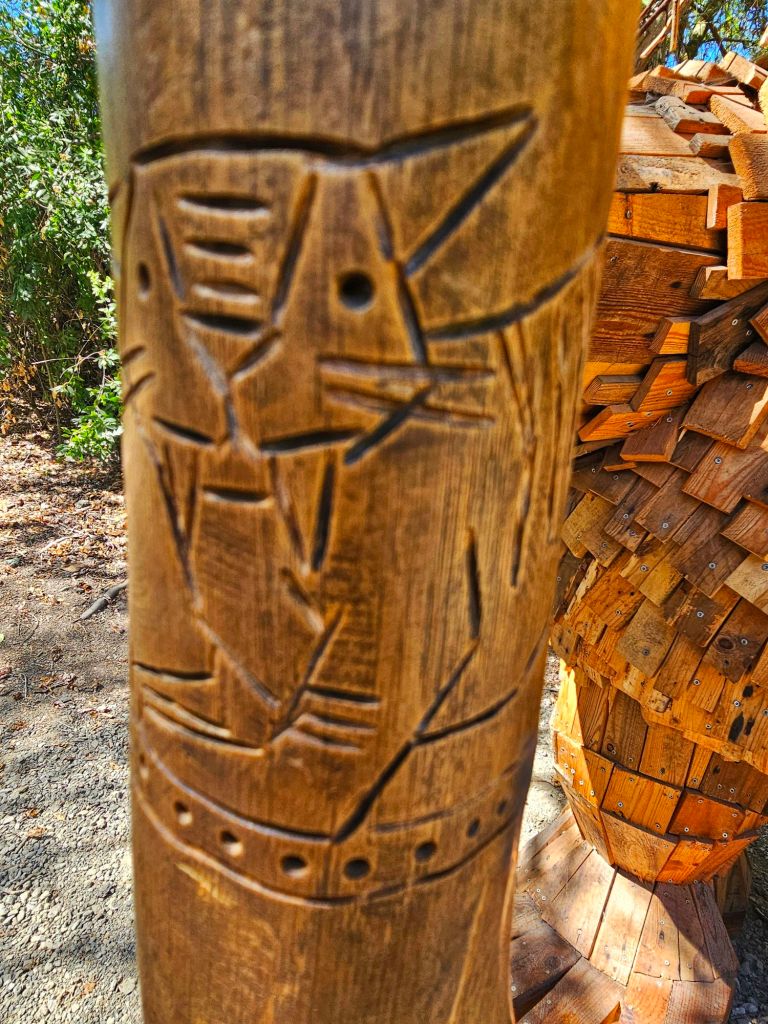
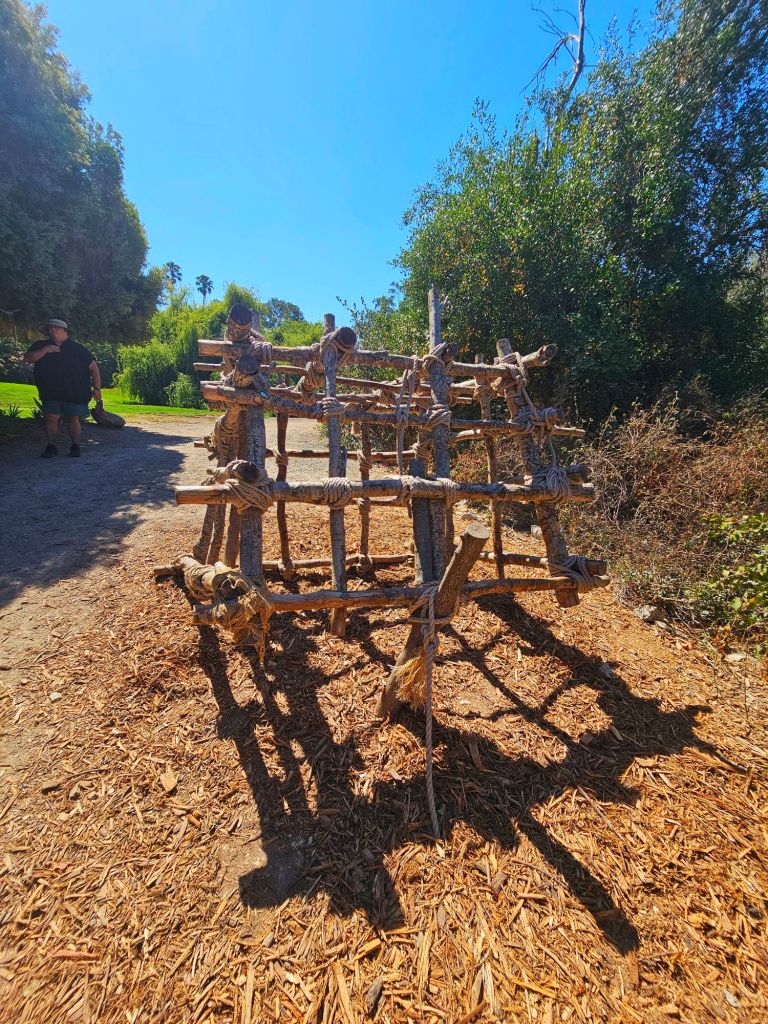
The sculptures are made entirely from reclaimed wood, giving each troll its own character and appearance.
Exploring the Garden
What I enjoyed about the exhibit is that you don’t simply walk into a gallery and see all 12 trolls at once.
You have to explore.
The South Coast Botanic Garden covers 87 acres, so the troll sculptures are spread throughout the property. As you walk along the paths, you begin wondering where the next one will appear.
That makes the exhibit especially fun for photography.
One moment you’re photographing flowers or trees, and the next you come around a corner and discover a giant face looking back at you.
The scale of the sculptures also creates some interesting photographic opportunities. Standing near one of the trolls can make you appreciate just how enormous these creations are.
Planning Your Visit
TROLLS: A Field Study is included with general admission to South Coast Botanic Garden. The 2026 exhibition began March 1 and continues through October 4, 2026.
The garden is located at:
South Coast Botanic Garden 26300 Crenshaw Boulevard Palos Verdes Peninsula, California
The garden is currently open daily from 8 a.m. to 5 p.m., with the last entrance at 4:30 p.m.
General admission is currently $18 for members and $21 for the general public according to the garden’s current information.
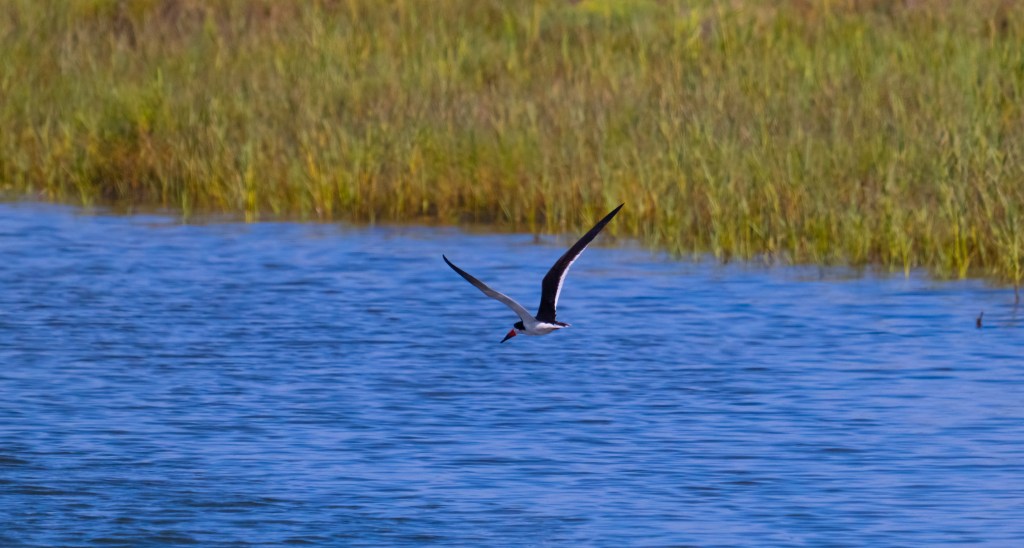
Imperial Beach birds, Imperial Beach terns, Tijuana Estuary, Tijuana River Estuary, Elegant Tern, Royal Tern, San Diego birding, San Diego bird photography, Imperial Beach bird photography, salt marsh birds, Southern California birding, San Diego wildlife photography
If you spend enough time exploring the wetlands and shoreline of San Diego’s South Bay, you begin to notice that certain birds seem to have favorite places.
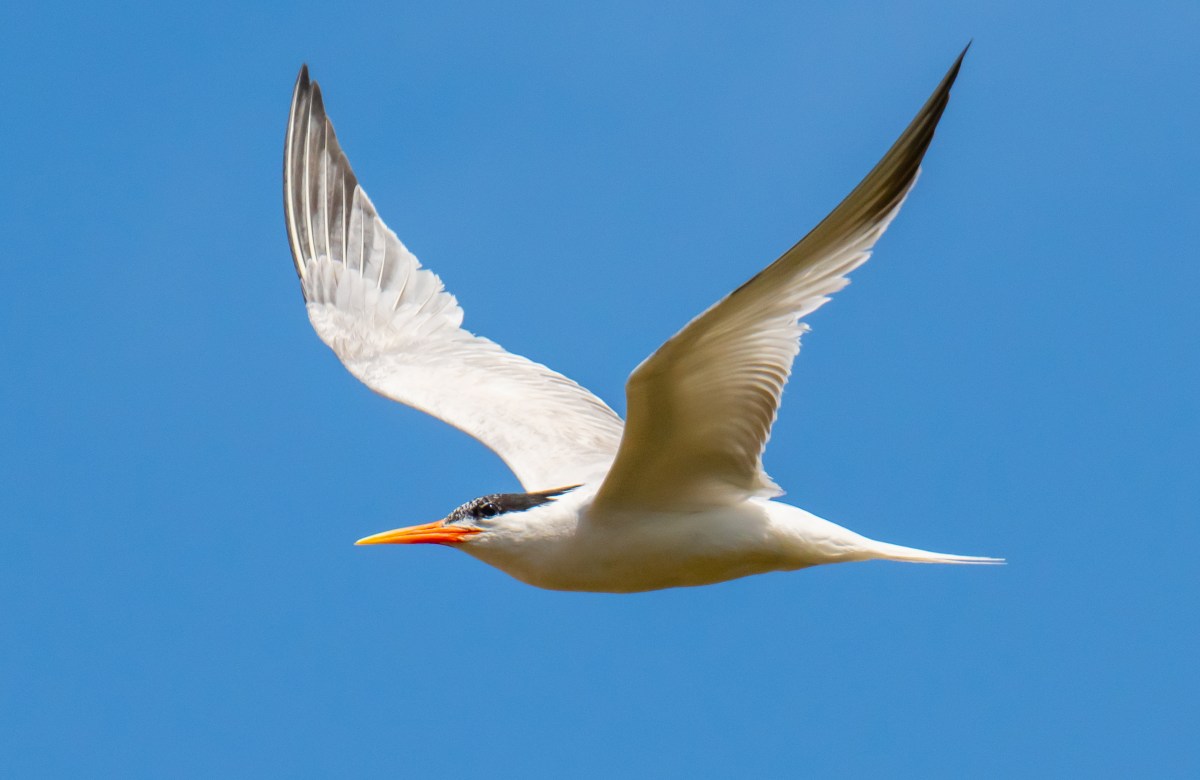
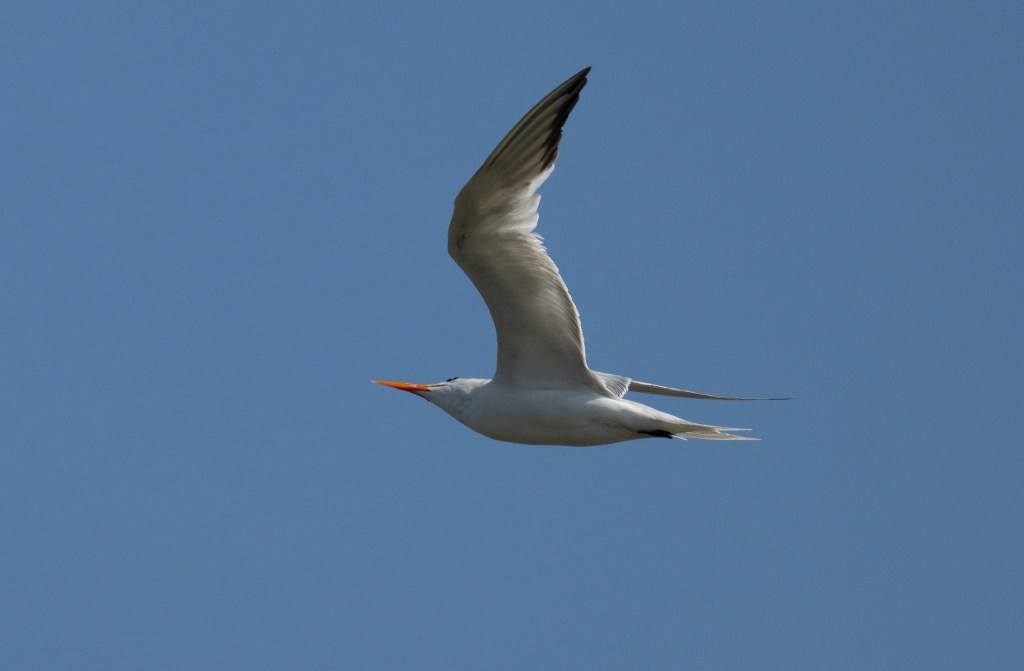
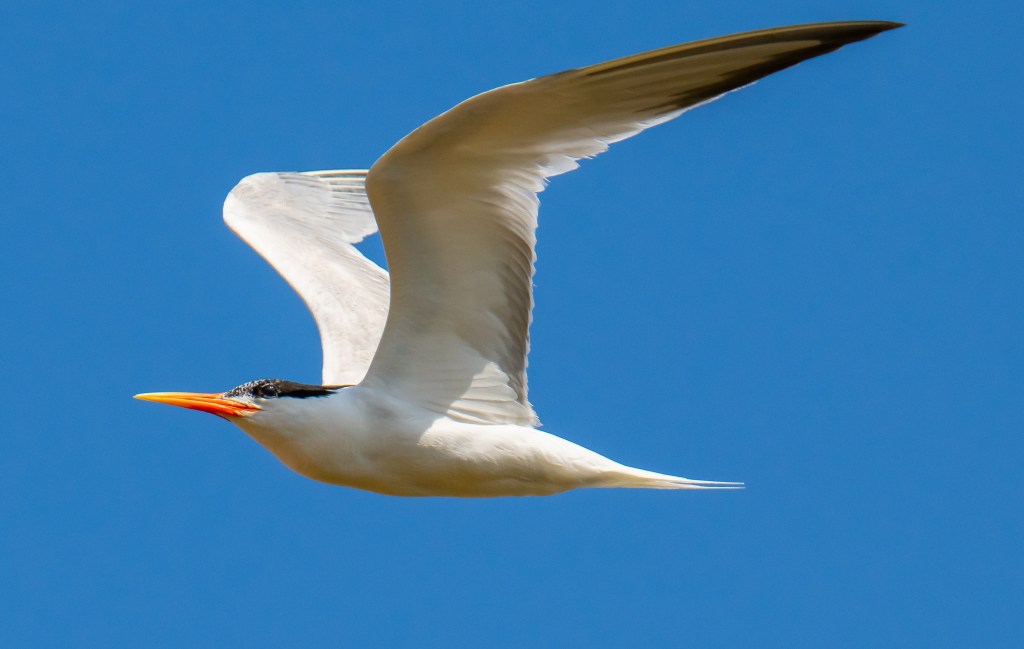
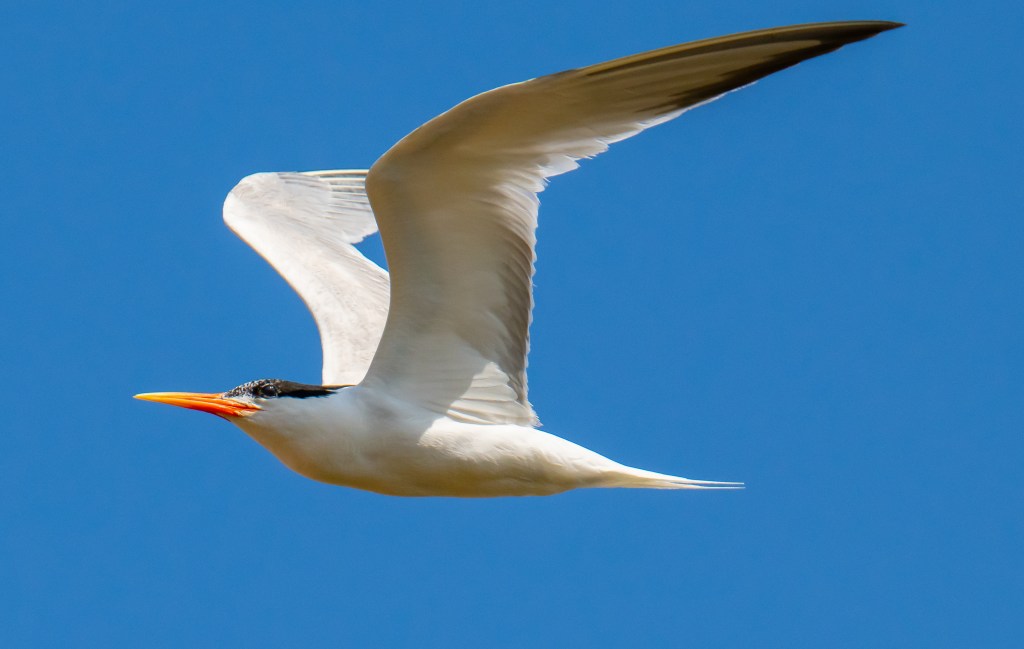
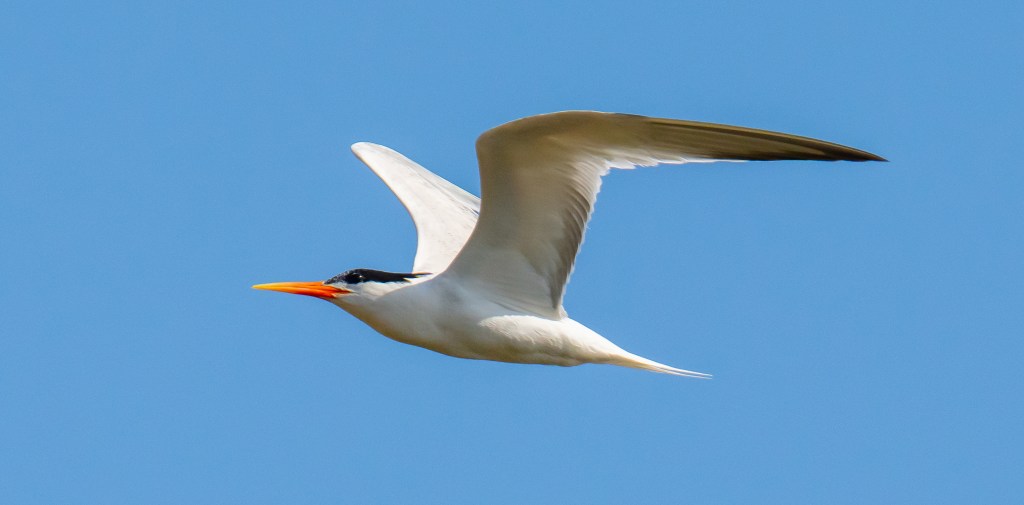
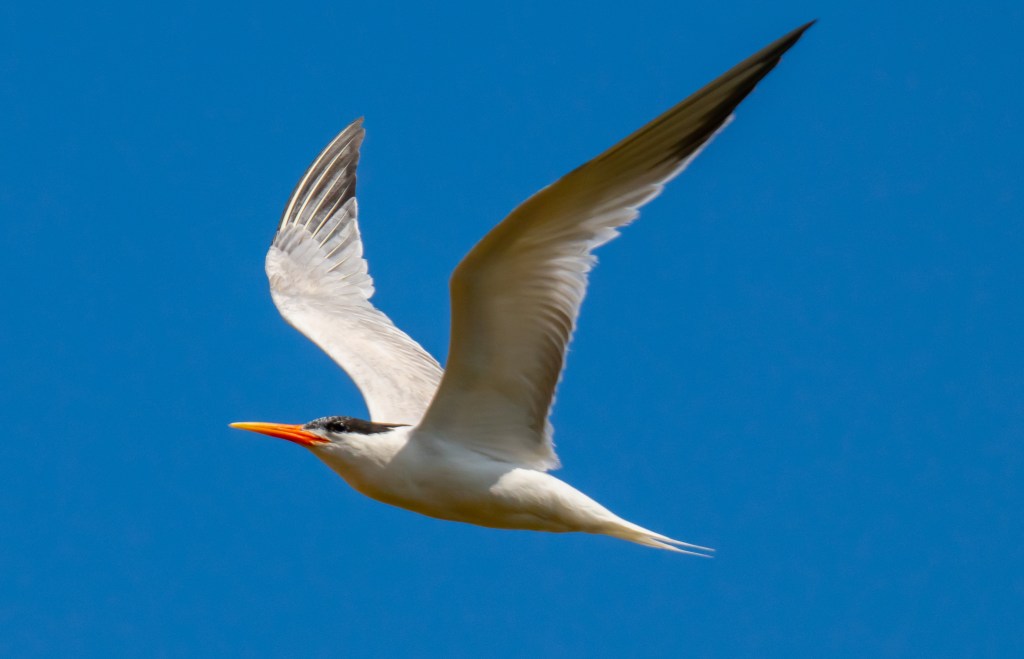
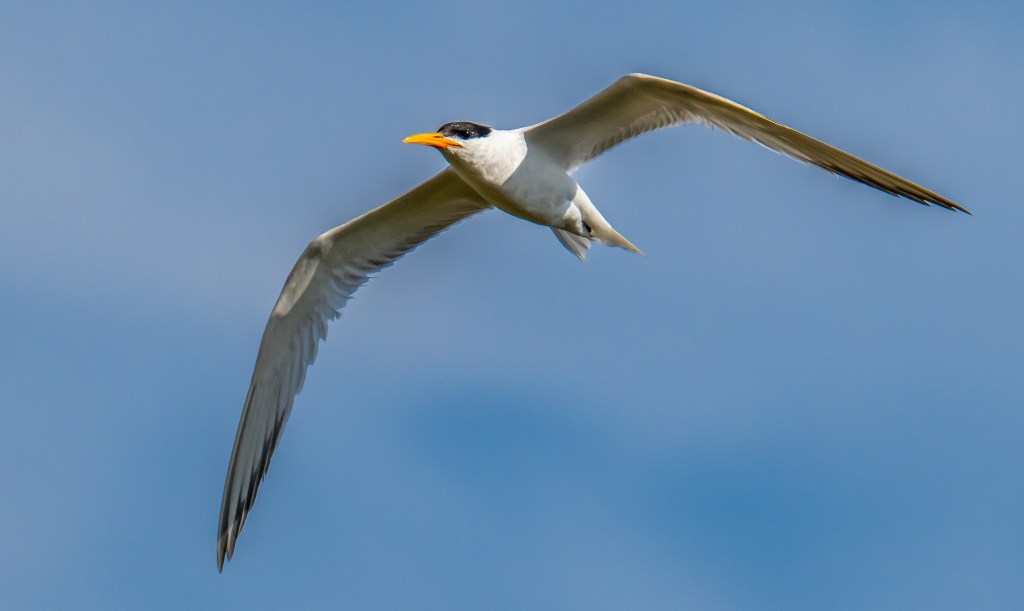
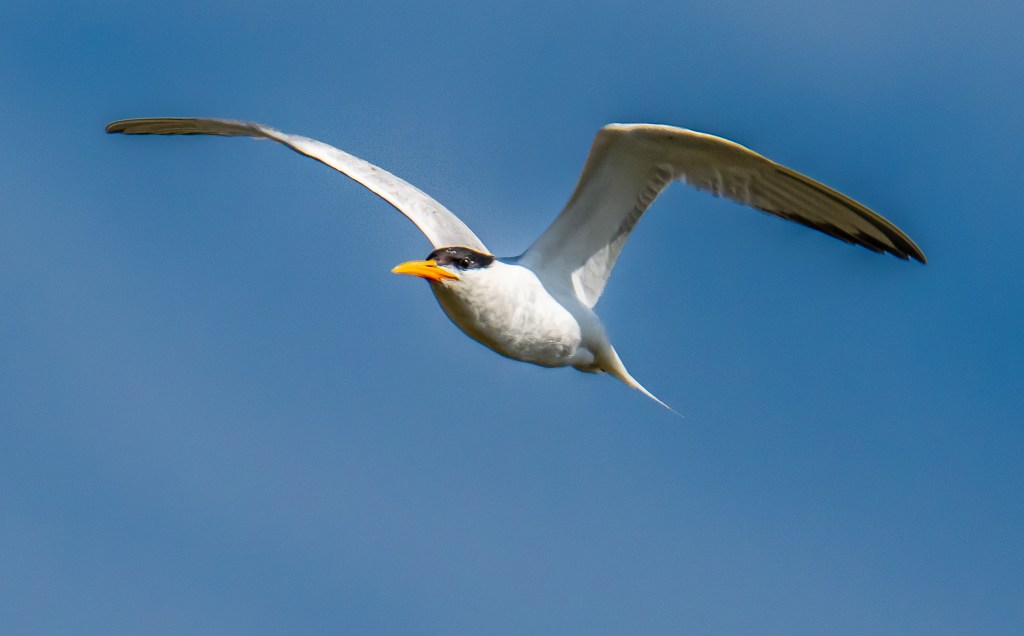
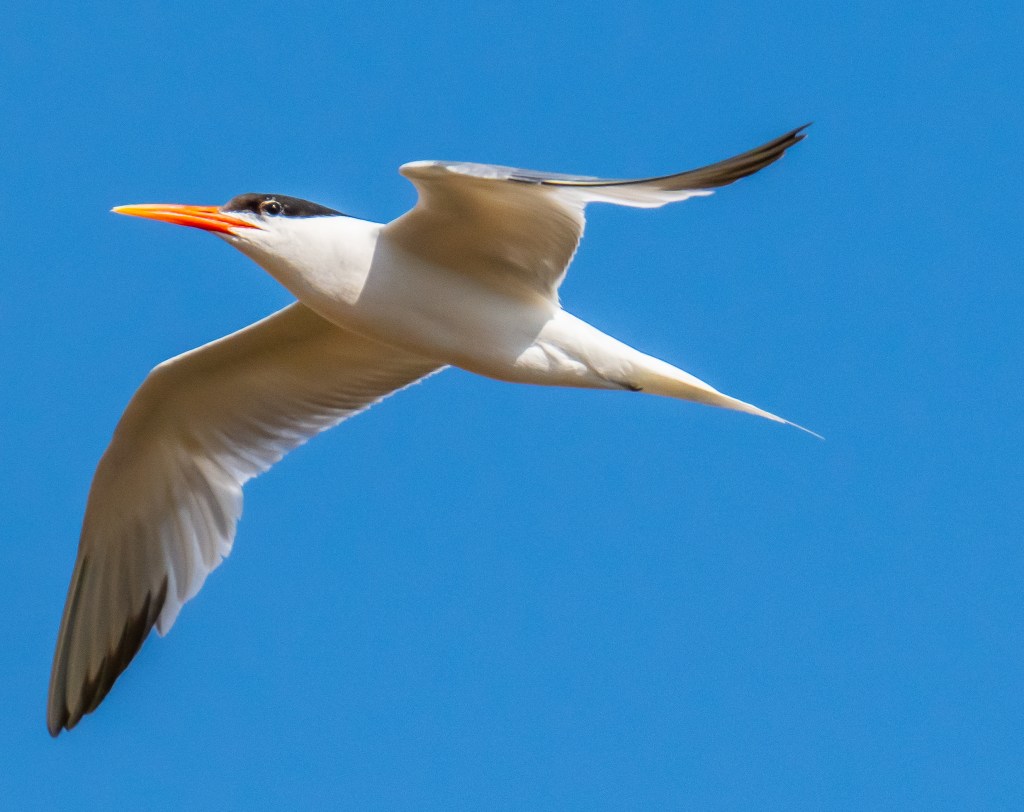
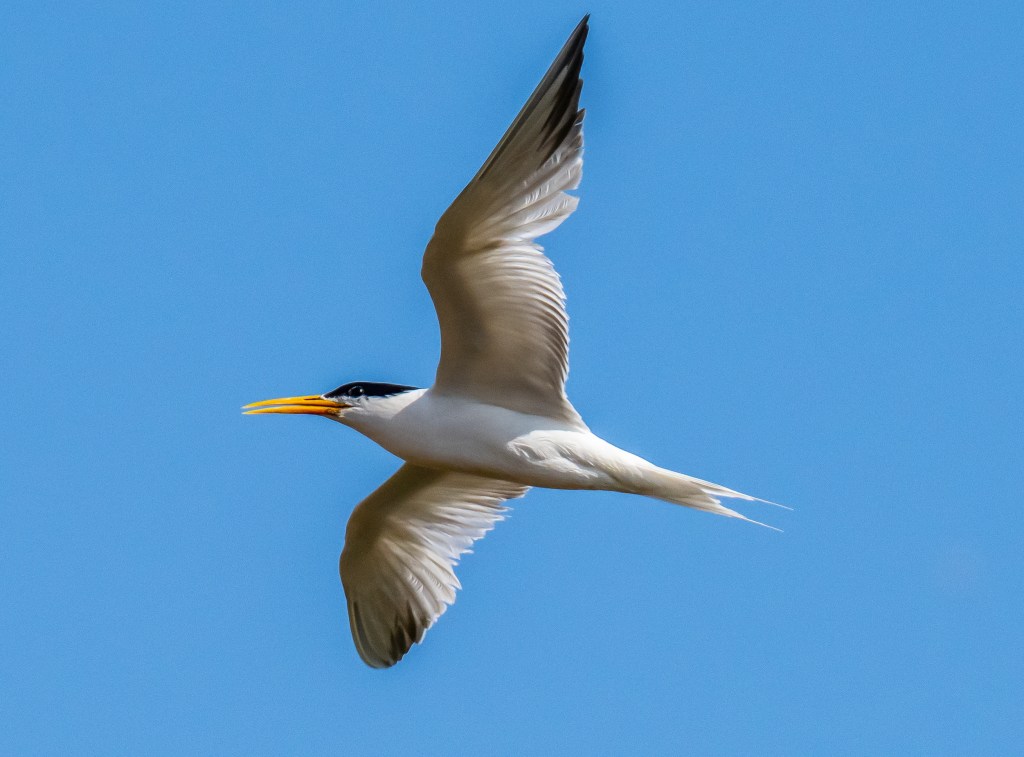
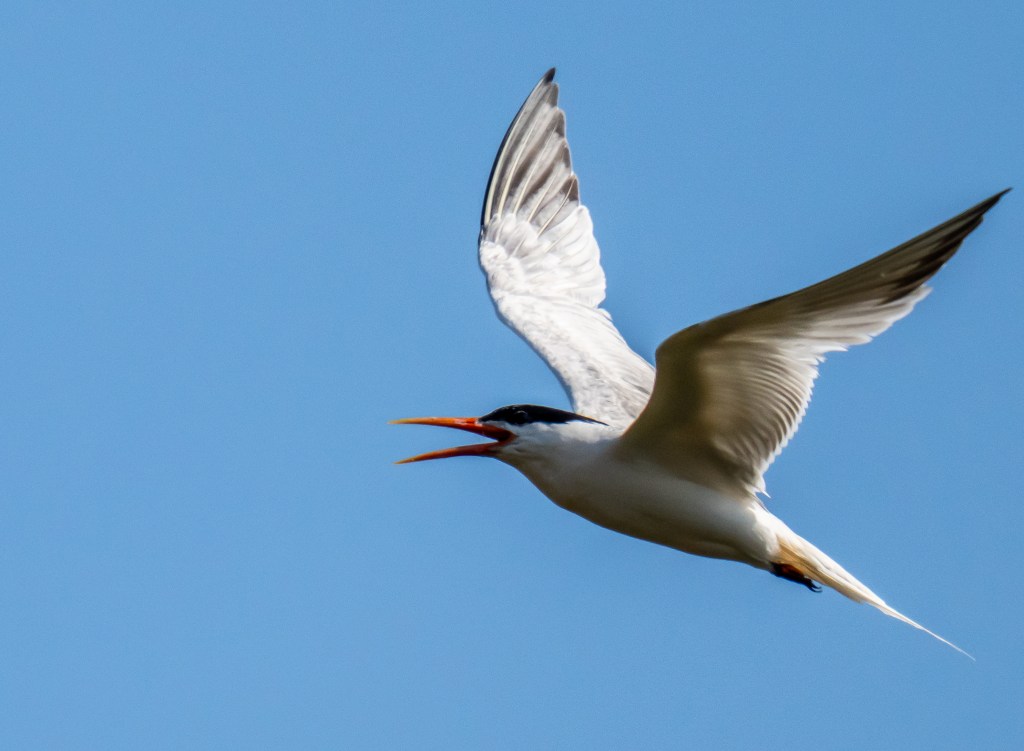
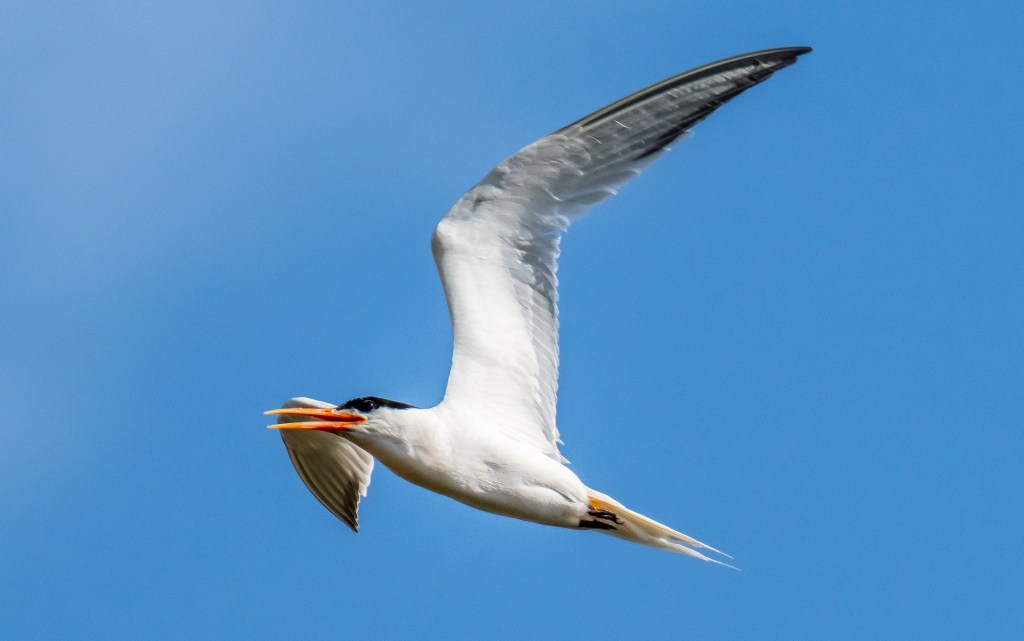
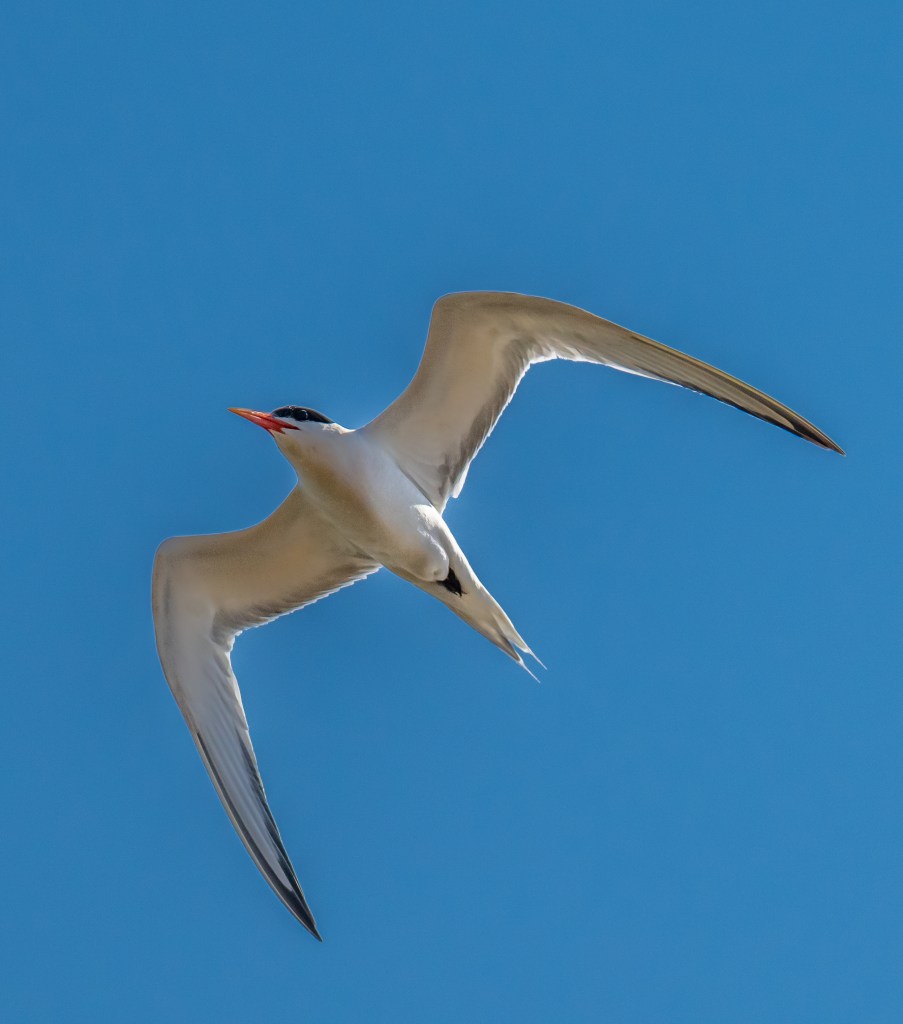
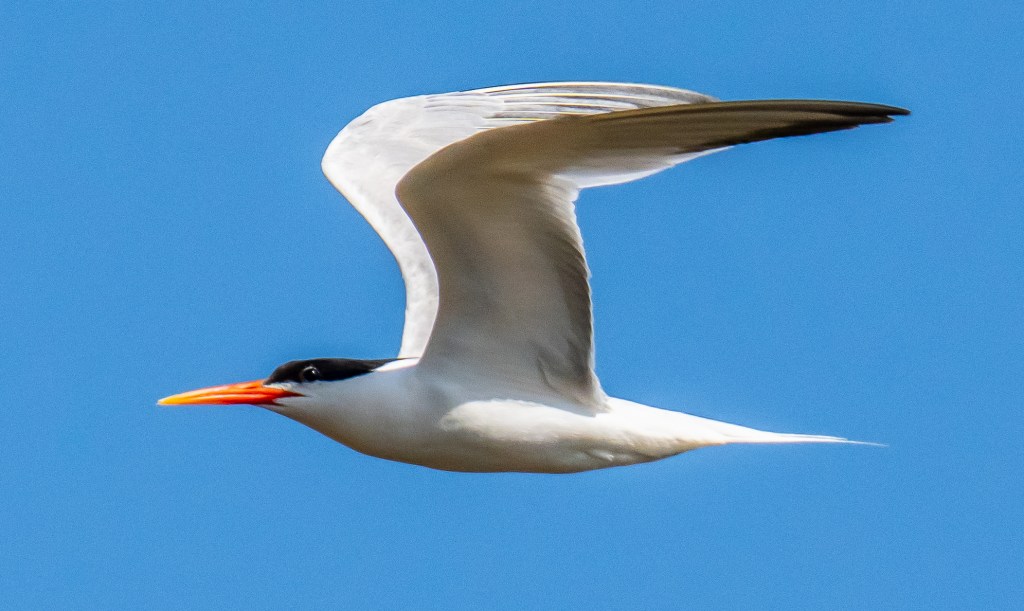
One of those birds is the Elegant Tern.
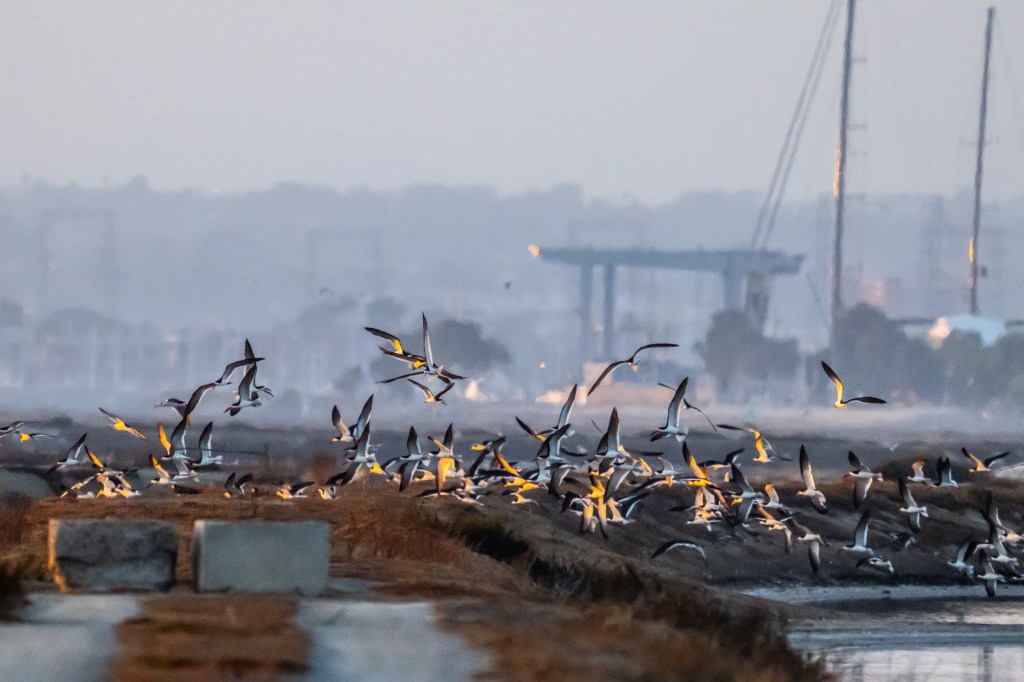
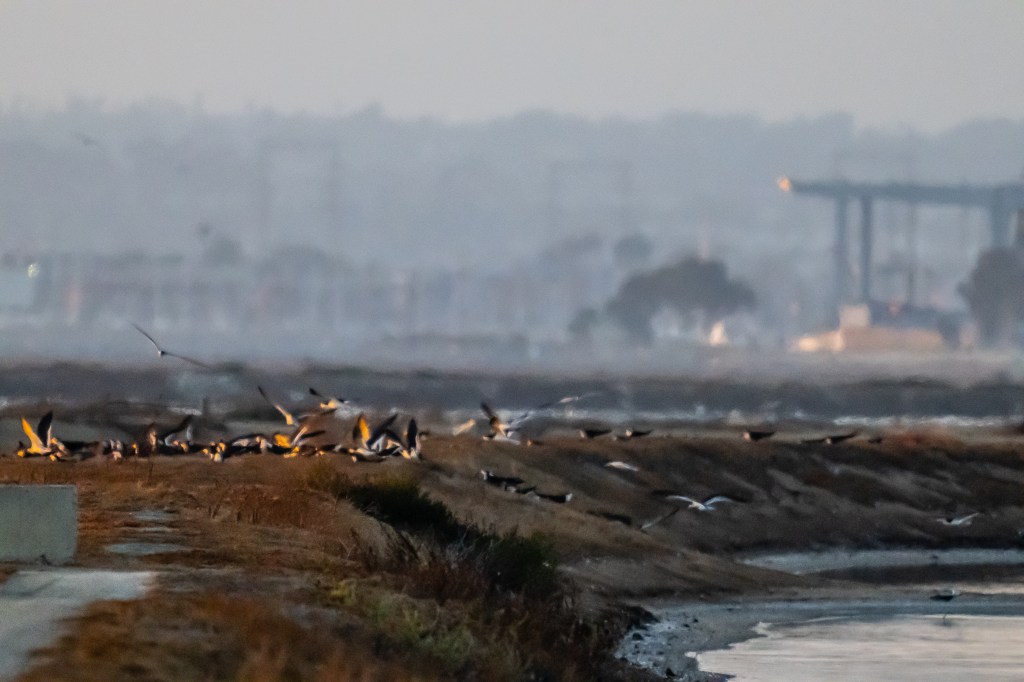
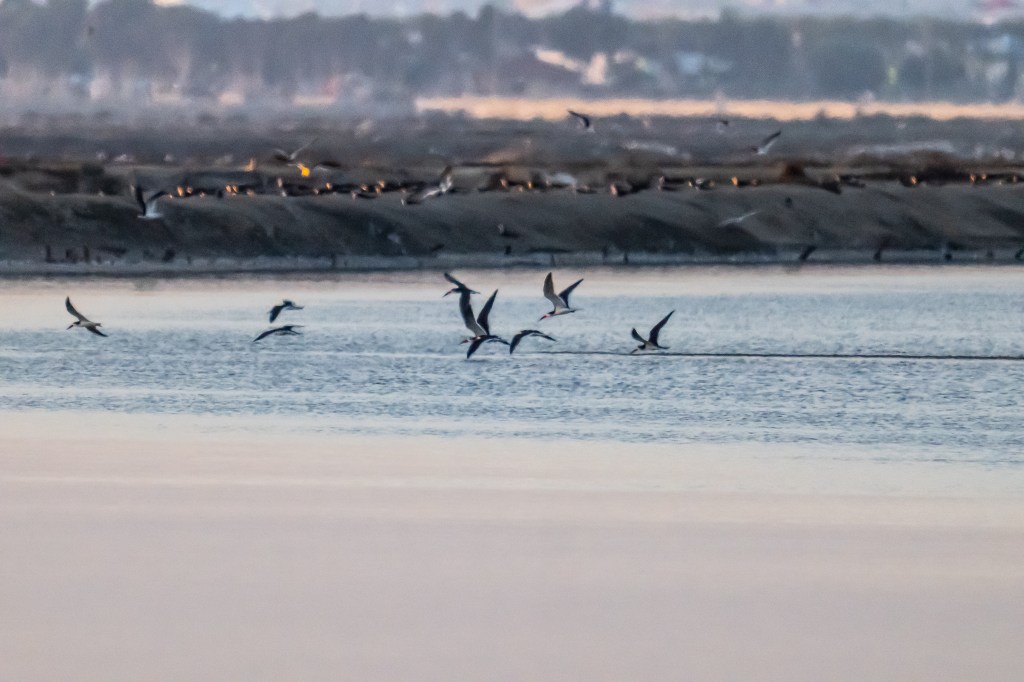
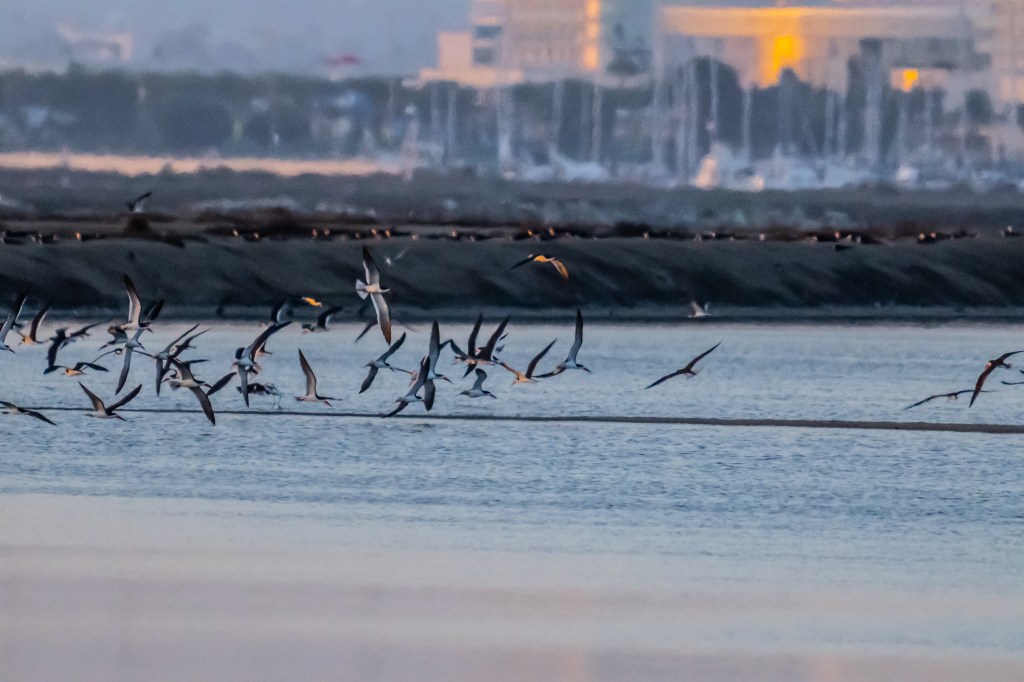
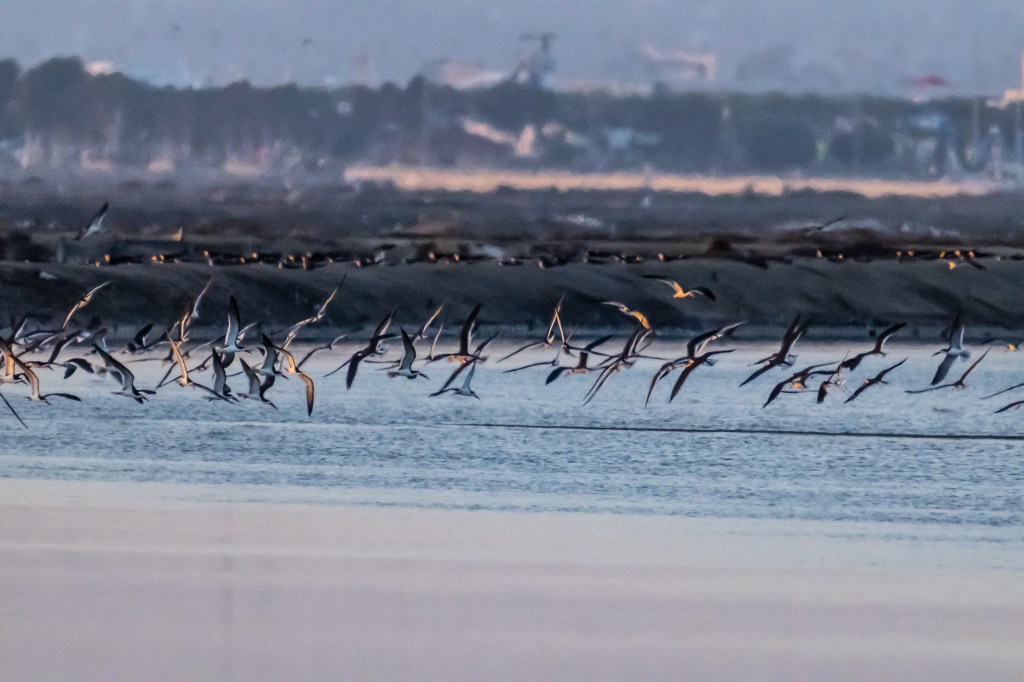
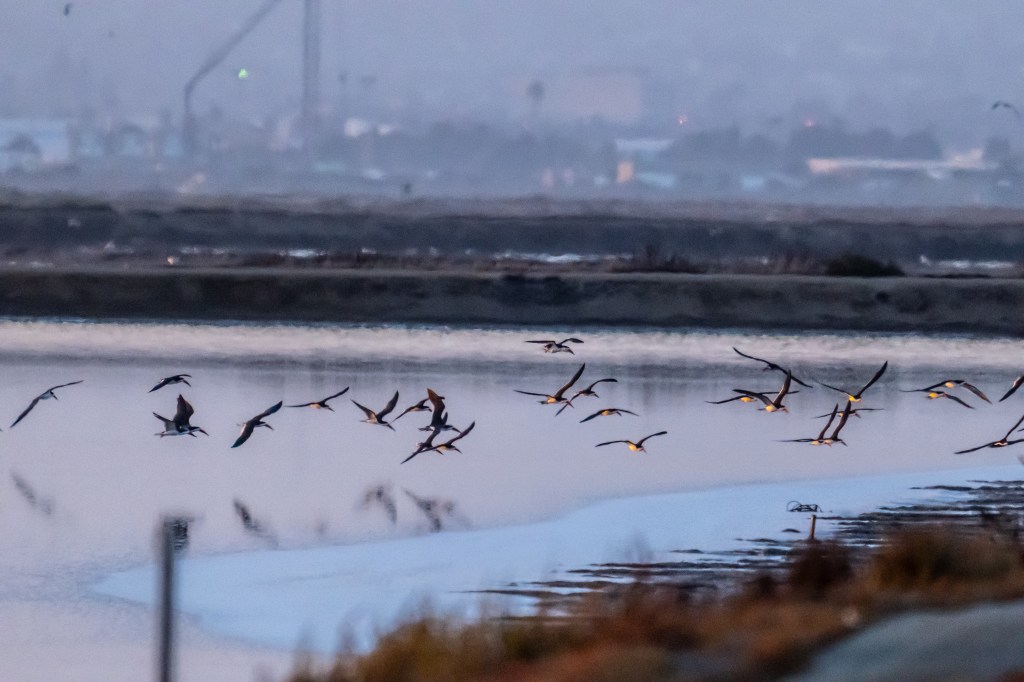
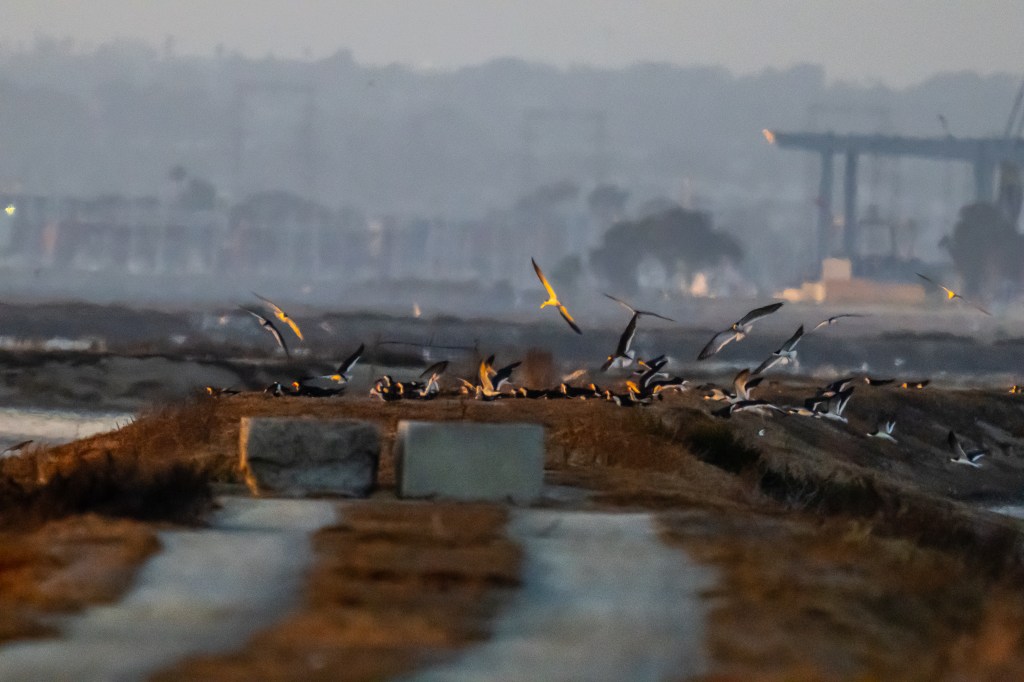
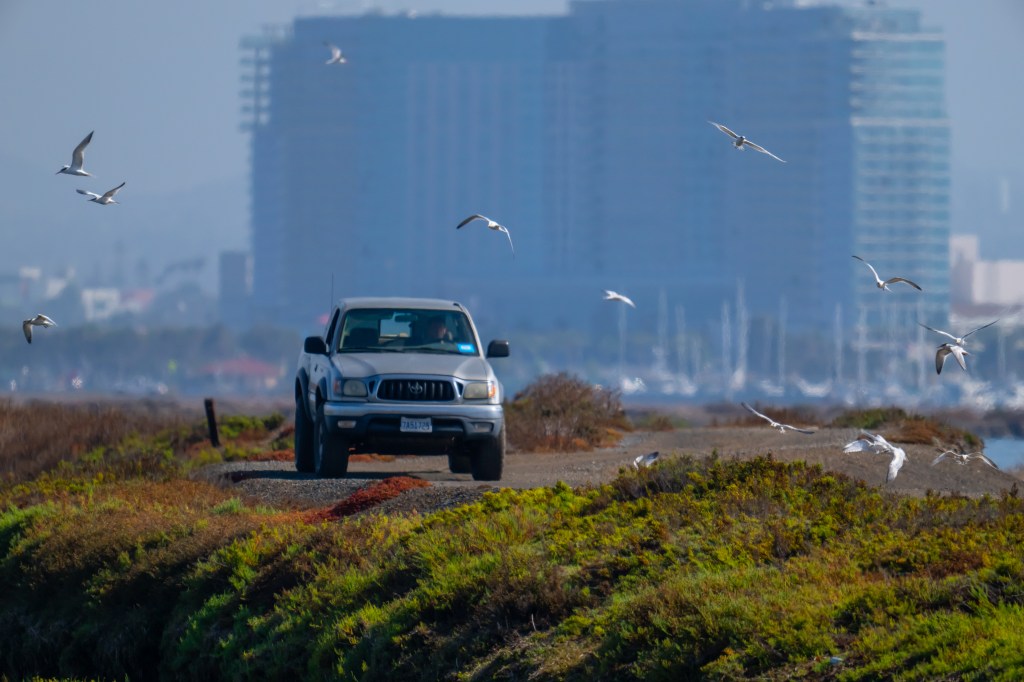
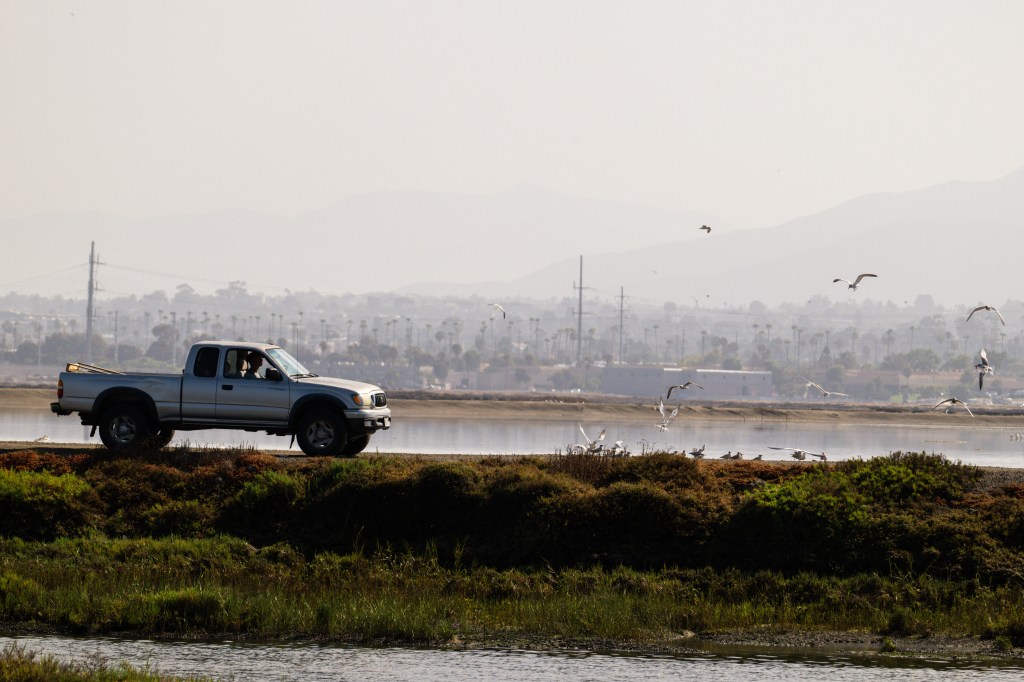
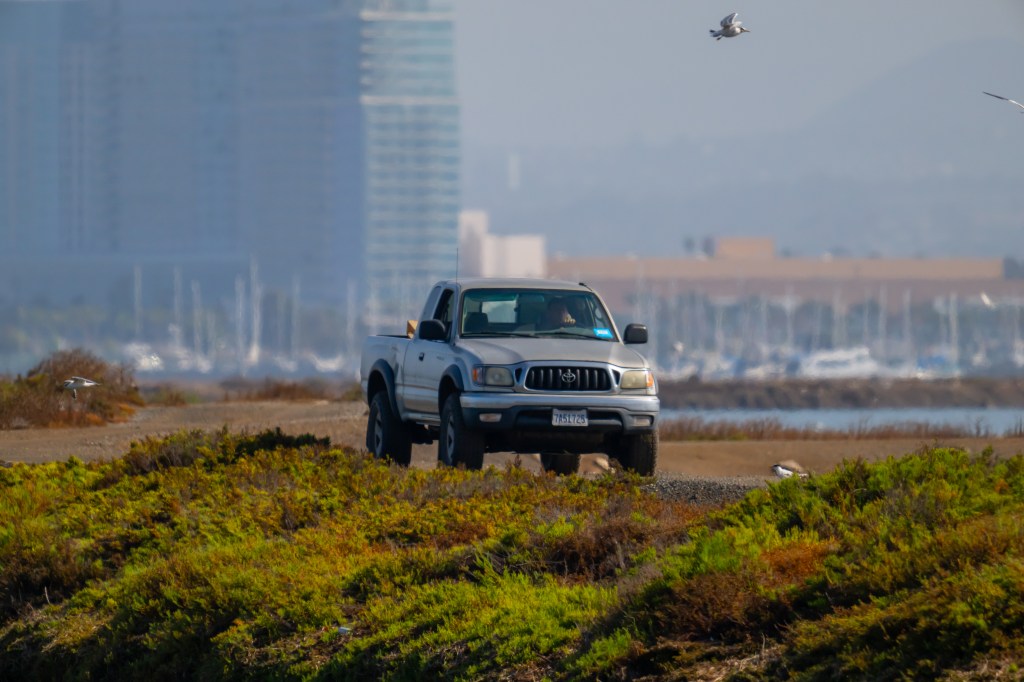
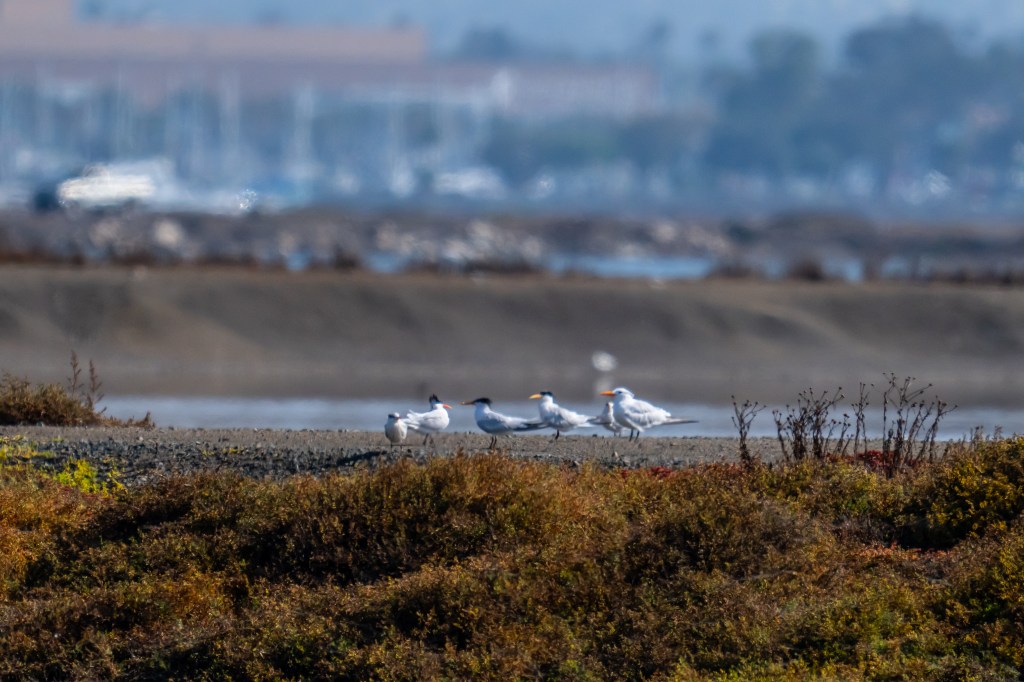
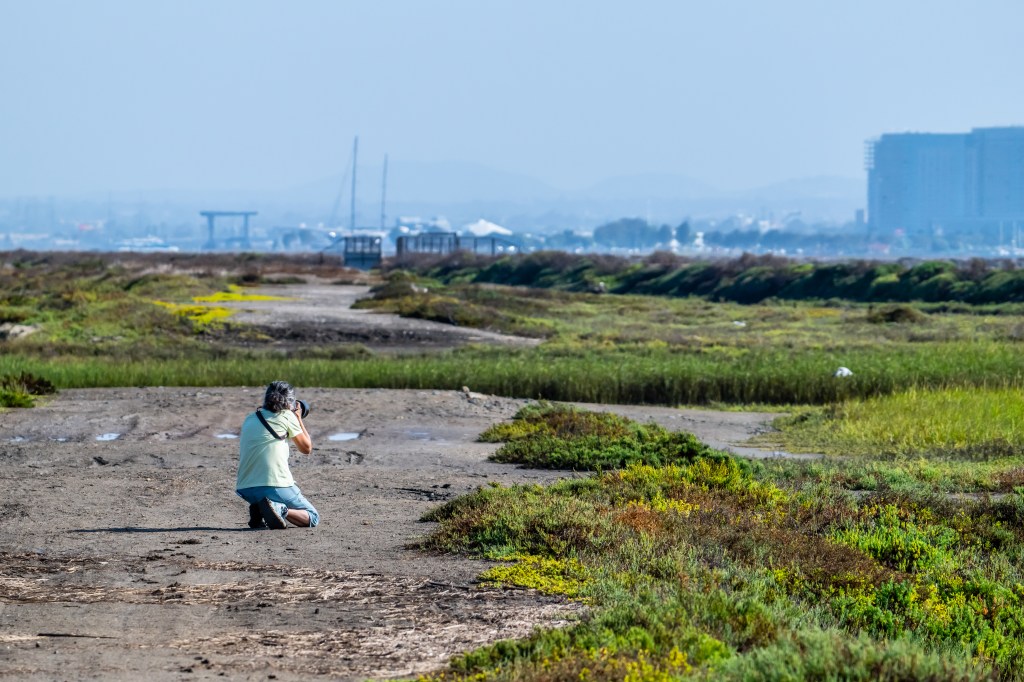
I’ve been seeing Elegant Terns around the salt marsh in Imperial Beach, where large flocks can gather over the wetlands and surrounding waterways. I’ve also seen them farther north around the South Bay salt flats, showing just how closely these birds are associated with the coastal wetlands and salt ponds of the region.
For a bird photographer, seeing a large flock of Elegant Terns moving through the South Bay is an impressive sight.
A Familiar Summer Visitor
Elegant Terns are sleek, long-winged seabirds with a shaggy black crest, pale gray back, white underparts and a distinctive orange bill. They are closely associated with the Pacific Coast and are particularly noticeable in Southern California during the warmer months.
The birds are known to use bays, estuaries, mudflats and coastal waters after the breeding season. A recent City of San Diego biological report describes Elegant Terns as post-breeding visitors to Southern California’s coast, with birds frequenting bays, estuaries, mudflats and lagoons. San Diego Bay also supports a small nesting colony.
That makes the South Bay a particularly interesting place to look for them.
From Imperial Beach to the Salt Flats
The salt marsh around Imperial Beach and the salt ponds farther north are part of a much larger coastal wetland system.
The Tijuana Estuary is one of Southern California’s remaining salt marshes and provides feeding, nesting and stopover habitat for hundreds of bird species.
The South Bay salt ponds provide another important piece of habitat. The ponds are part of the San Diego Bay National Wildlife Refuge and support a remarkable variety of birds. The highly saline water produces brine organisms that provide food for birds, while the pond levees provide nesting habitat.
So when Elegant Terns appear in the Imperial Beach marsh or around the South Bay salt flats, they aren’t simply passing through a random patch of habitat. They’re using a connected network of coastal wetlands that has supported terns for generations.
The South Bay’s Long History With Elegant Terns
The connection between Elegant Terns and the South Bay goes back decades.
Elegant Terns first nested in California at the San Diego Bay salt works in 1959. Historical records also describe the South Bay salt ponds as one of the few nesting locations for Elegant Terns in the United States.
That history makes seeing them around the salt flats today even more interesting.
The salt ponds may look industrial at first glance, but they have become an important part of the South Bay’s wildlife landscape. The combination of shallow water, mudflats and extremely salty ponds creates unusual habitat that attracts birds looking for food and places to rest or nest.
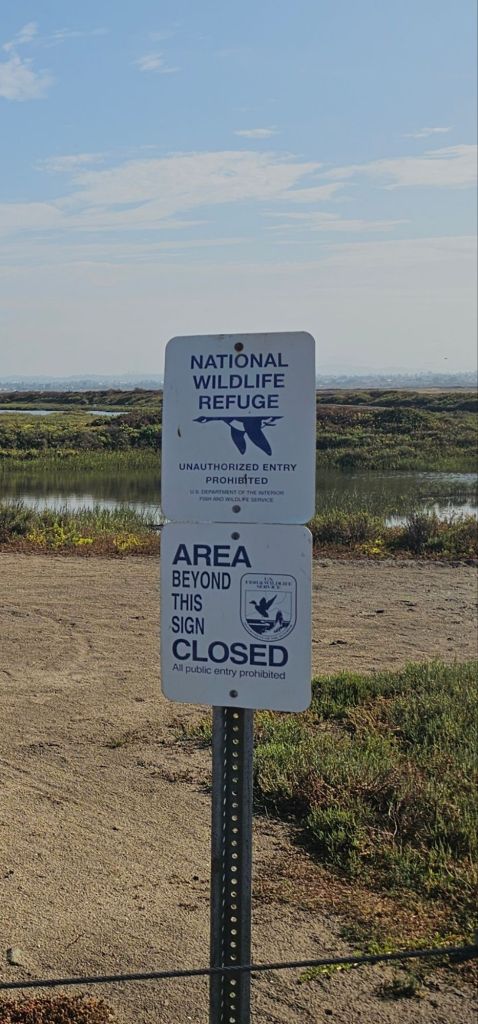
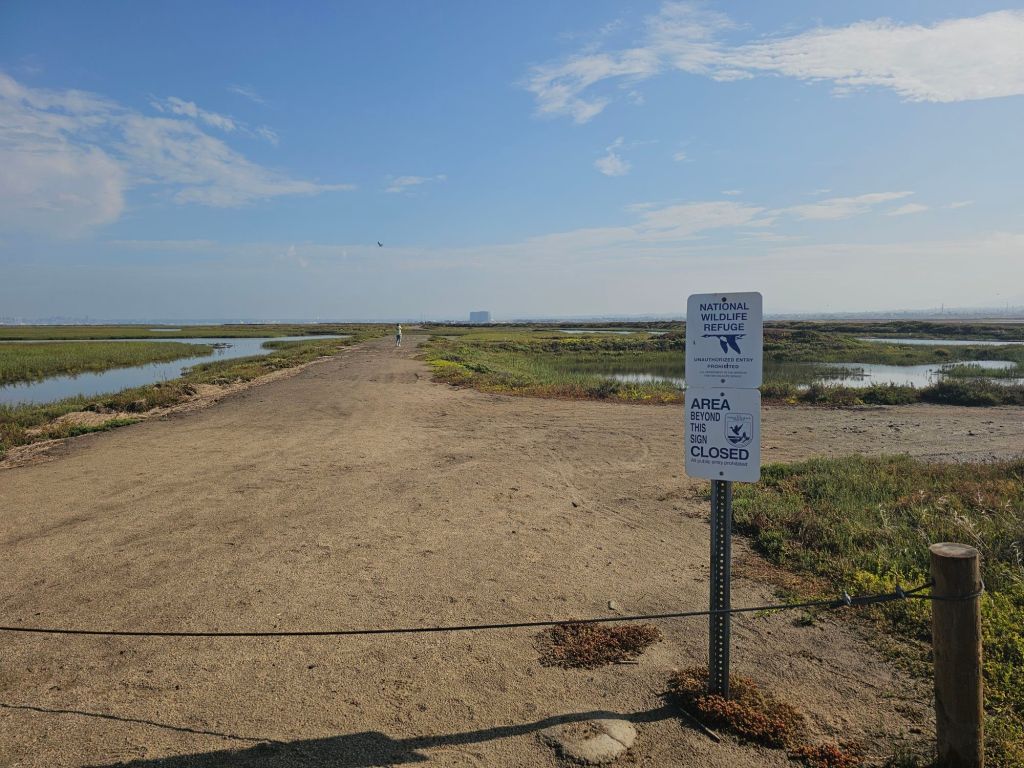
Why We Don’t Walk Past the Wetland Signs
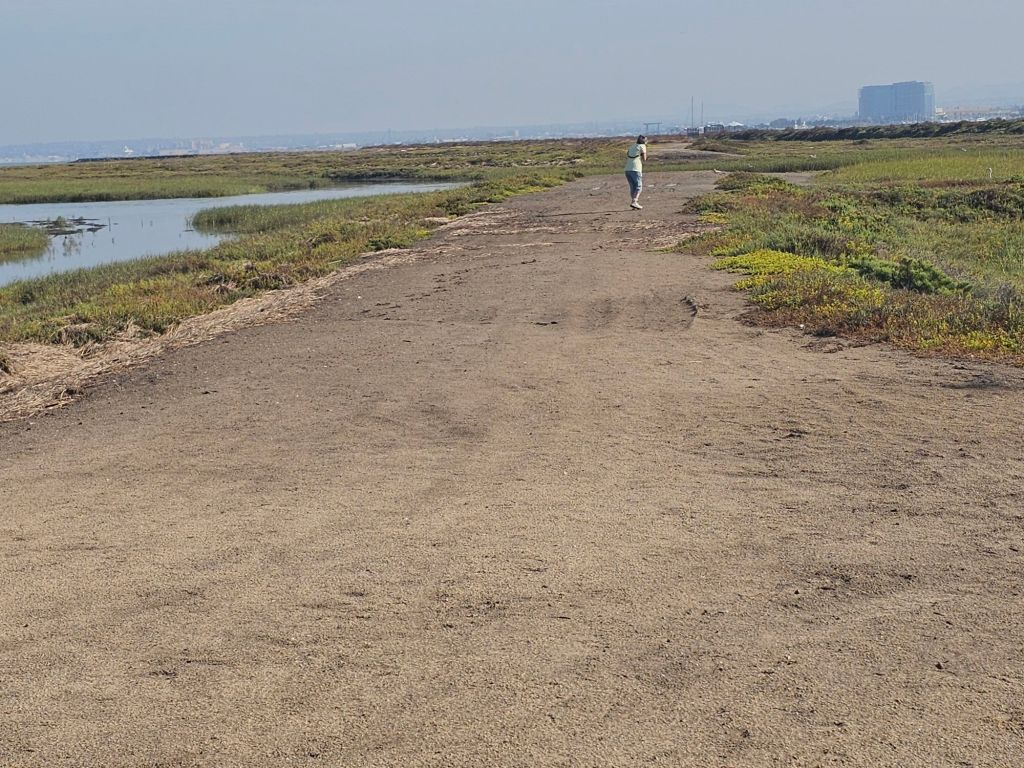
When you’re photographing birds, it’s tempting to get just a little closer. A better angle, a clearer shot, or a photograph of a tern taking flight can make you want to step beyond a fence or posted sign.
But around the Imperial Beach wetlands, those signs are there for a reason.
The salt marsh is a living ecosystem. What may look like an empty patch of mud or vegetation can be feeding, resting, or nesting habitat for birds. Walking into these areas can disturb wildlife, damage vegetation, and cause birds to use valuable energy flying away from people.
This is especially important when large flocks of terns are present. A person approaching a flock can cause dozens or even hundreds of birds to suddenly take flight. While one disturbance may seem insignificant, repeated disturbances from visitors can keep birds from feeding or resting.
There is also another reason to stay on the designated paths: wetlands can be fragile and surprisingly easy to damage. Salt-marsh plants and the muddy surface help form an ecosystem that has developed over many years. Foot traffic can create unofficial trails and damage vegetation that provides habitat for birds and other wildlife.
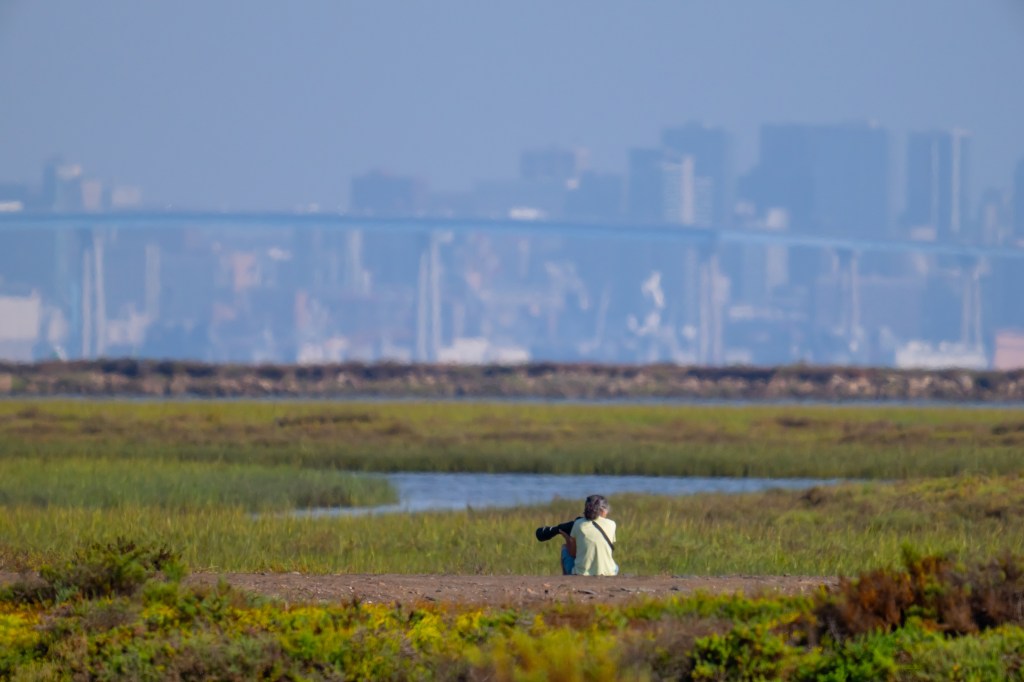
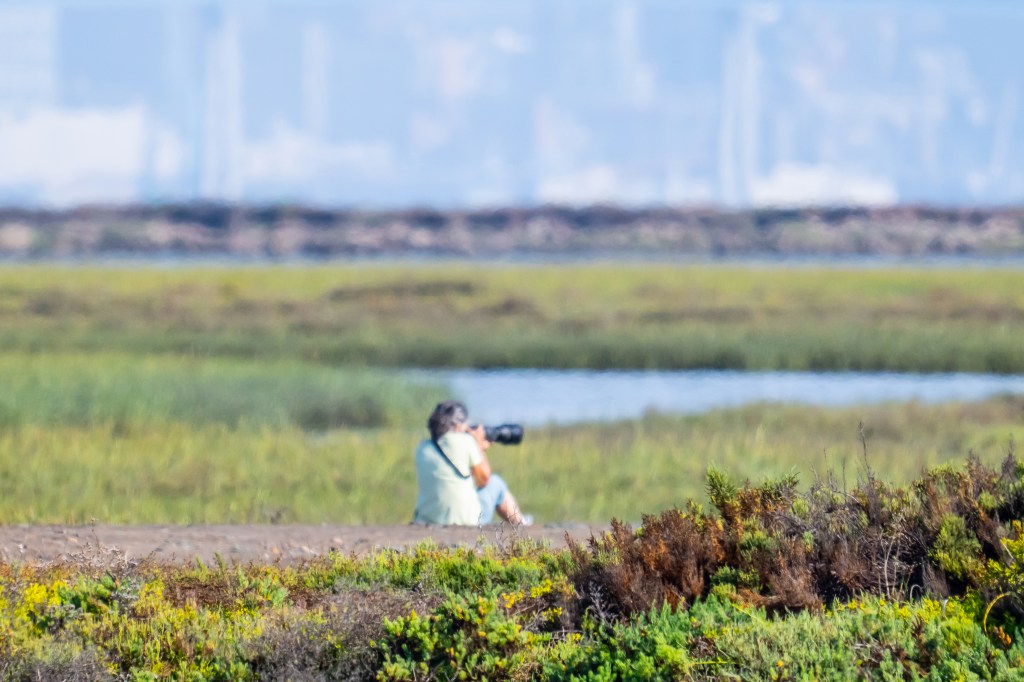
For photographers, staying behind the signs is part of responsible wildlife photography. A longer lens, binoculars and patience can often give you a better experience without getting closer.
The goal isn’t simply to get the closest photograph.
The goal is to photograph the birds while allowing them to continue doing what they came here to do.
So when you visit the Imperial Beach salt marsh or the South Bay salt flats, pay attention to the signs and stay on designated trails. Give the birds room, respect protected areas and let the wetlands remain a place where wildlife can thrive.
Sometimes the best wildlife photograph is the one you take without disturbing the wildlife at all.
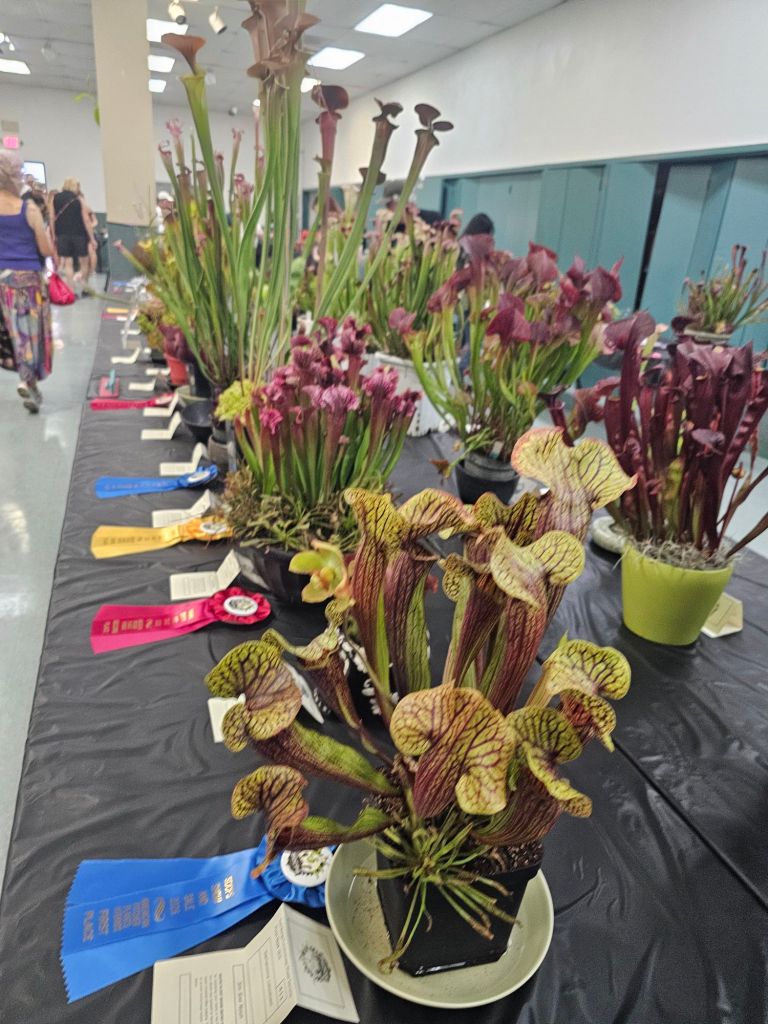
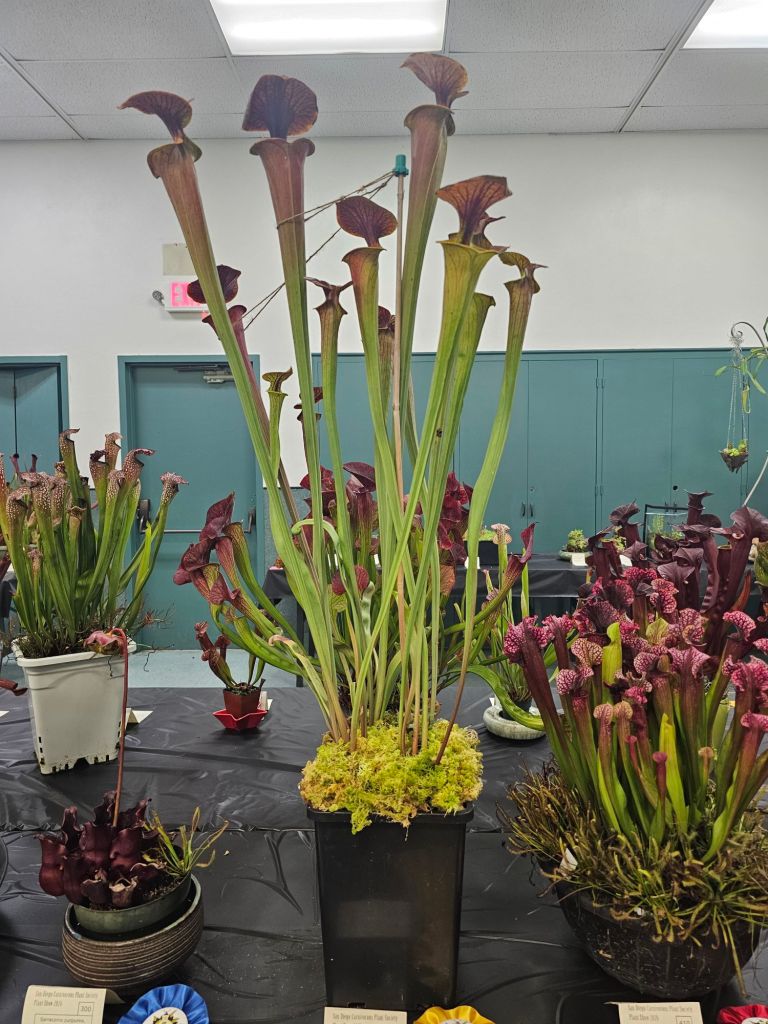
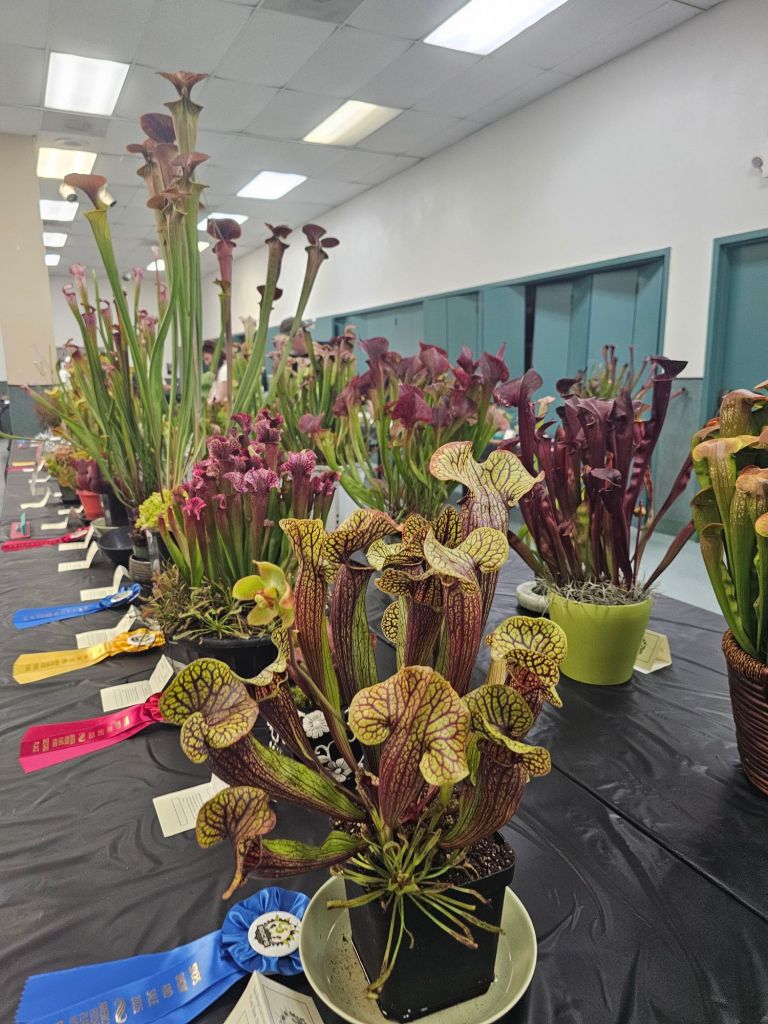
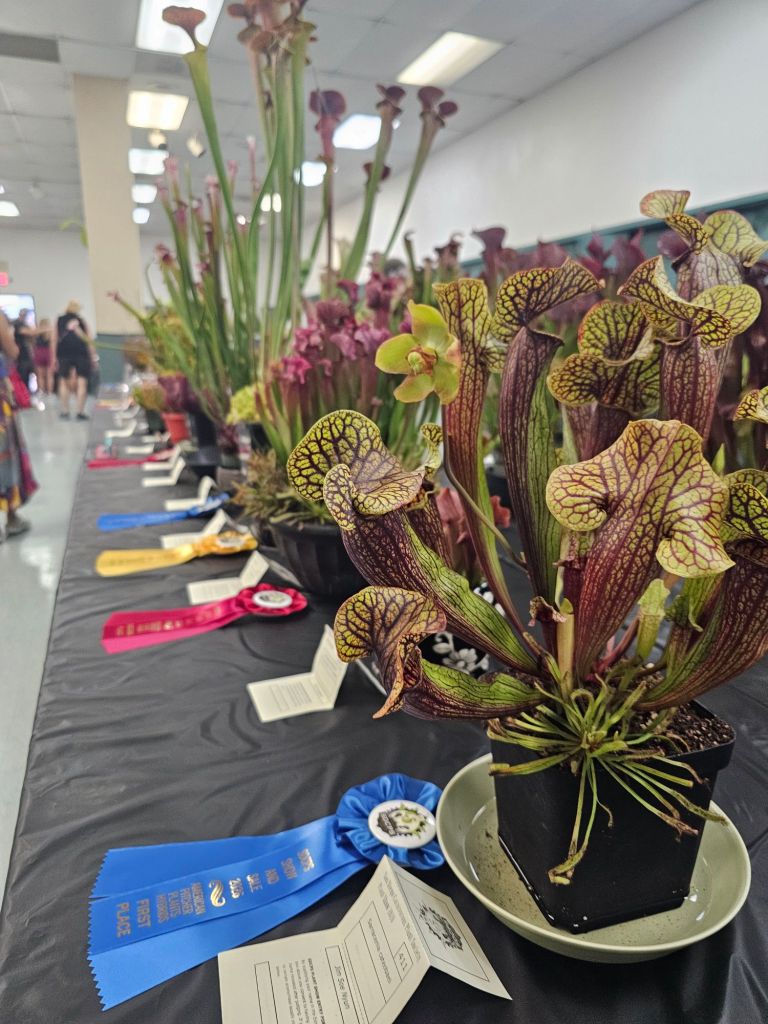
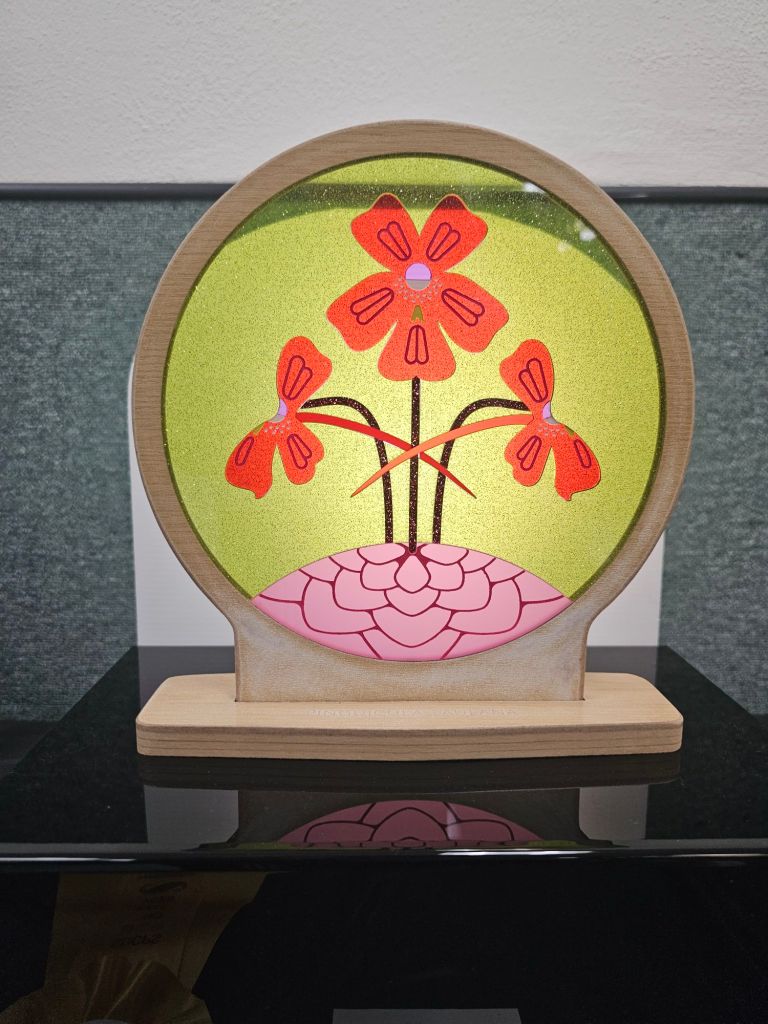
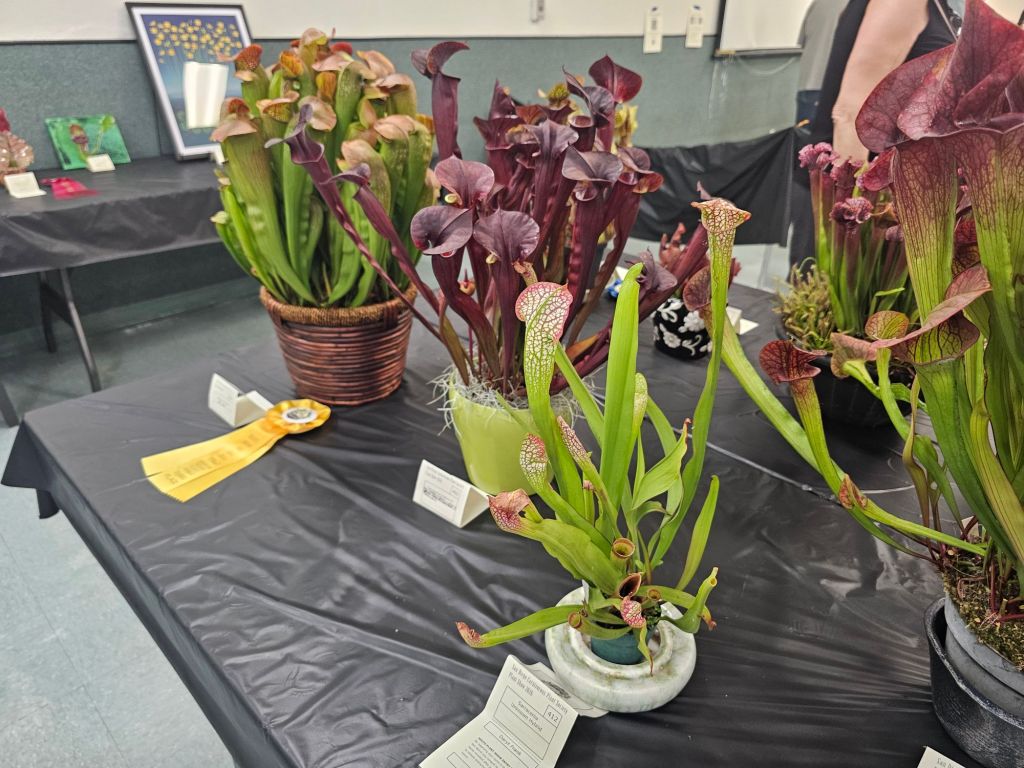
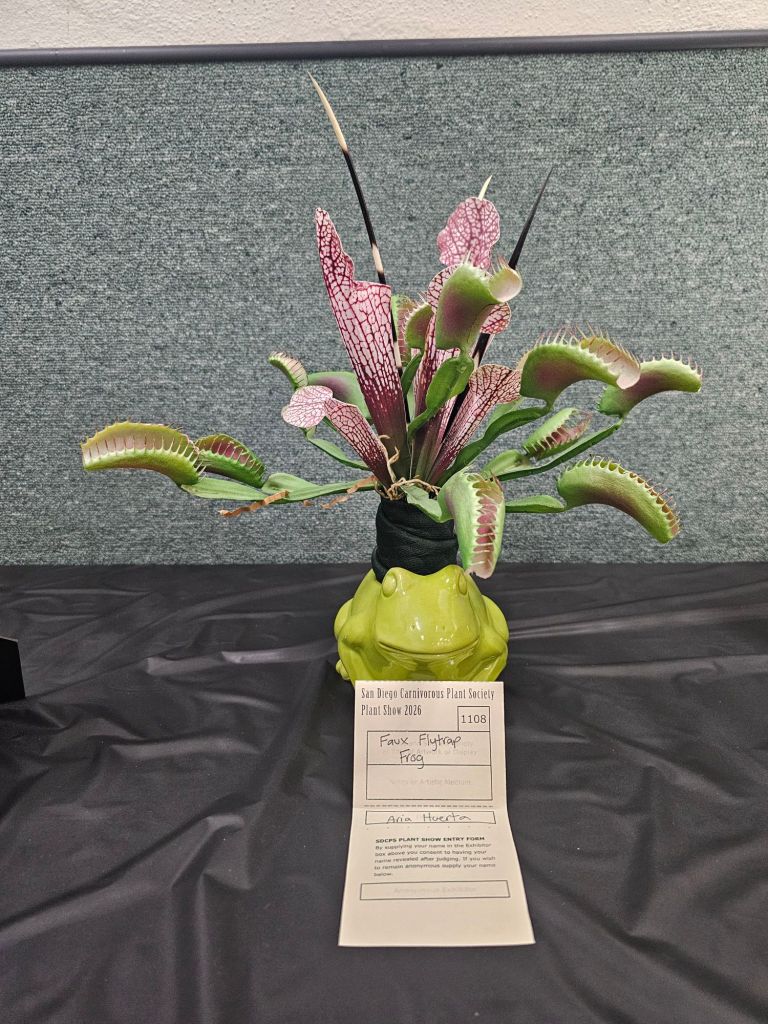
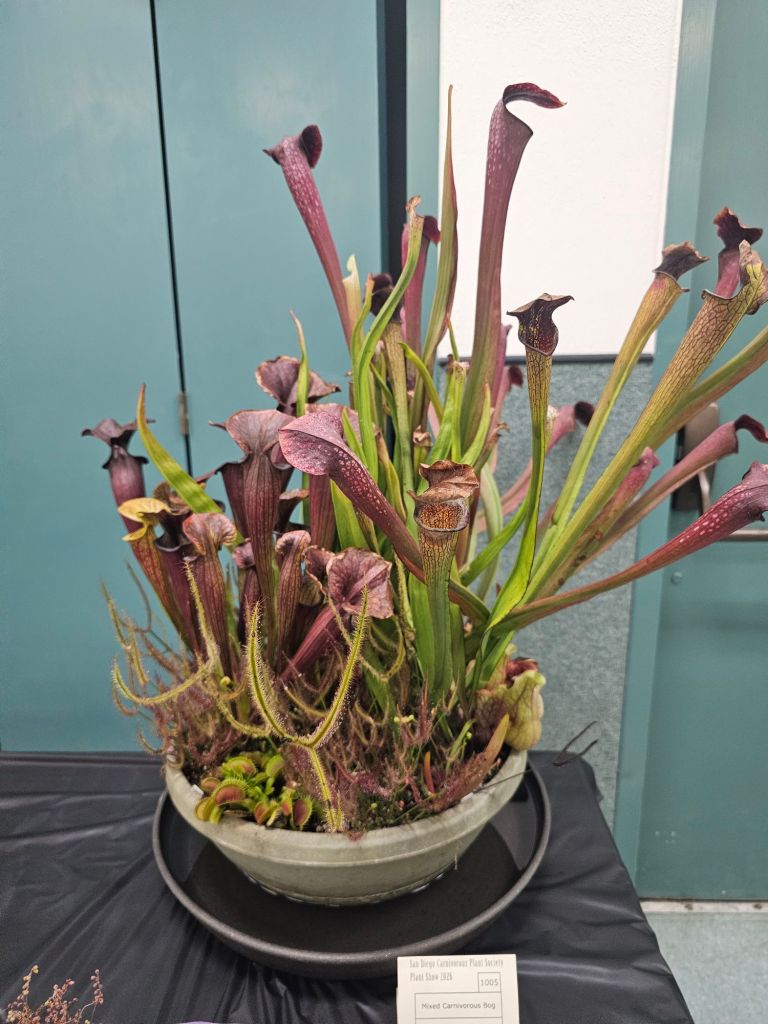
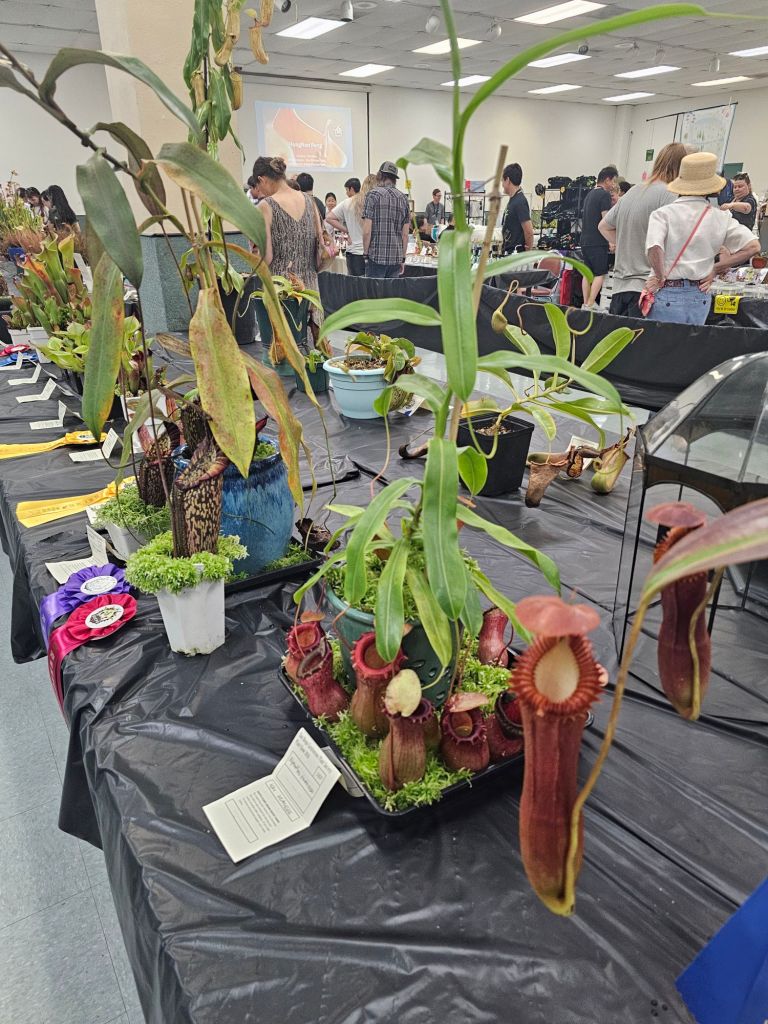
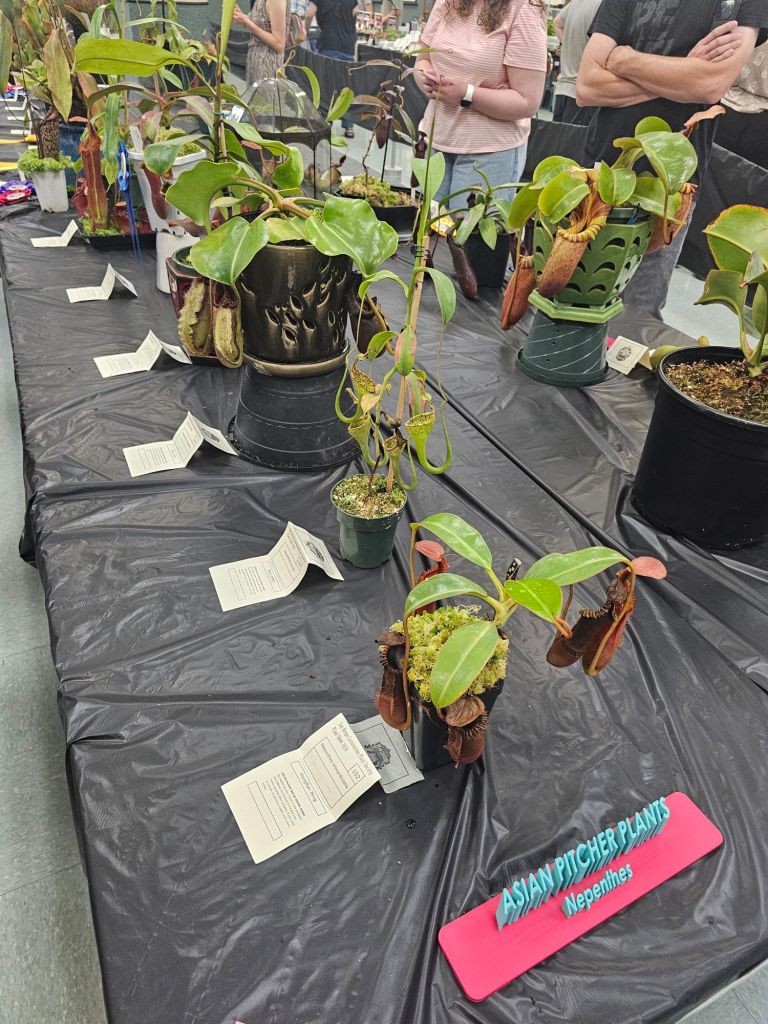
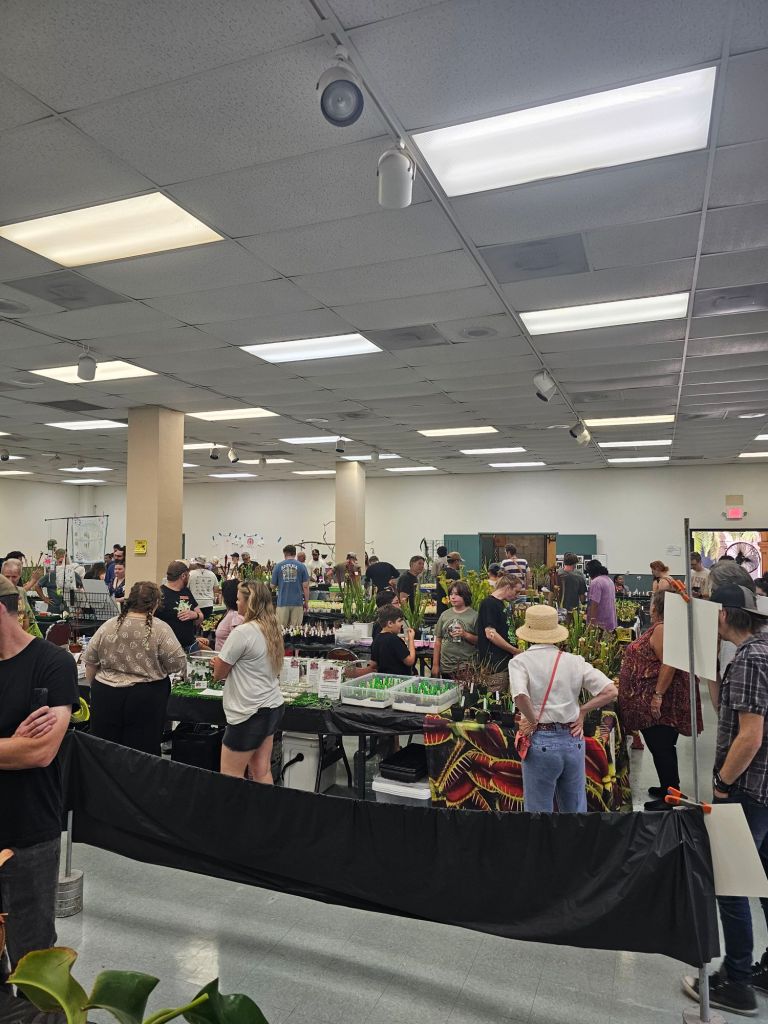
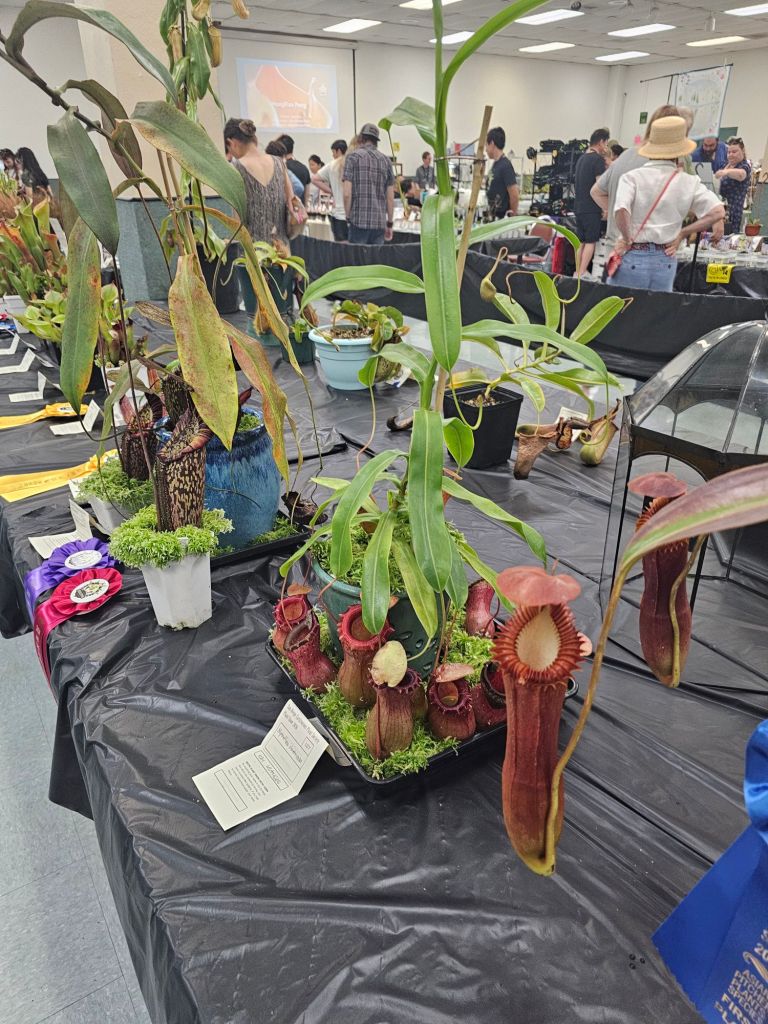
Join us for a visit to the San Diego Carnivorous Plant Sale in Balboa Park. Discover fascinating bug-eating plants, photography opportunities, expert advice, and one of San Diego’s most unique annual events.
Some plants bloom with colorful flowers. Others provide shade beneath towering branches. But at the San Diego Carnivorous Plant Sale, the stars of the show have evolved to do something completely unexpected—they catch and digest insects.
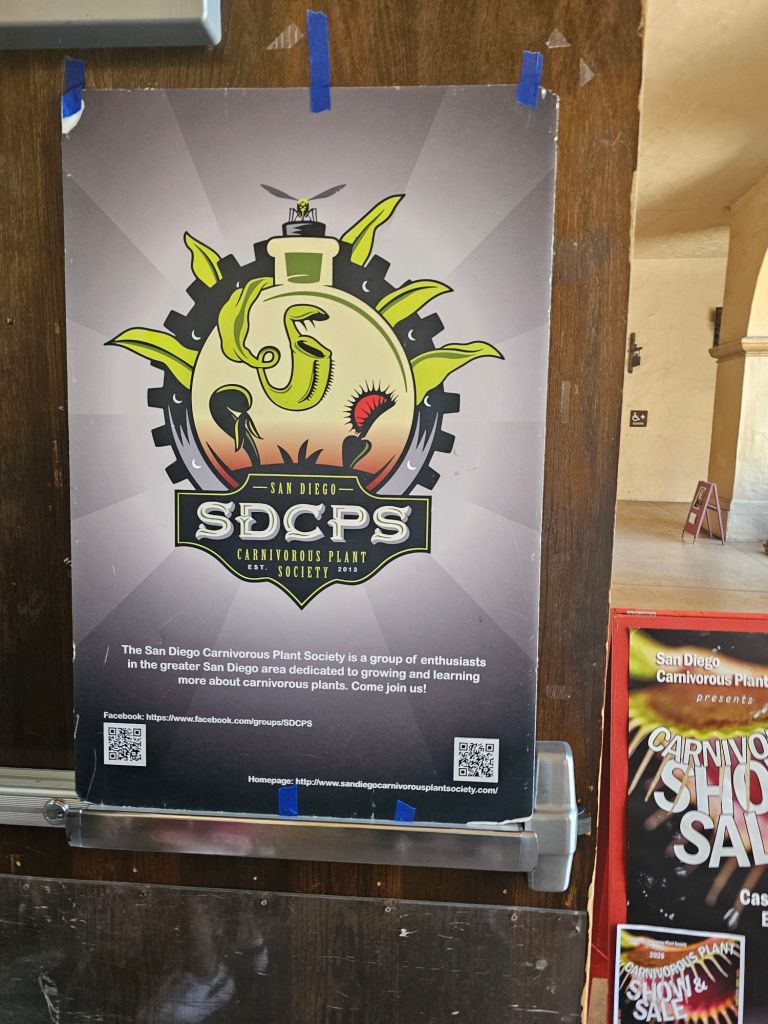
Each summer, plant enthusiasts, photographers, and curious families gather at Casa del Prado in Balboa Park for one of San Diego’s most unique gardening events. Hosted by the San Diego Carnivorous Plant Society, the annual show and sale is much more than a place to buy plants. It’s an opportunity to discover the incredible adaptations that allow these species to thrive in some of the world’s harshest environments.
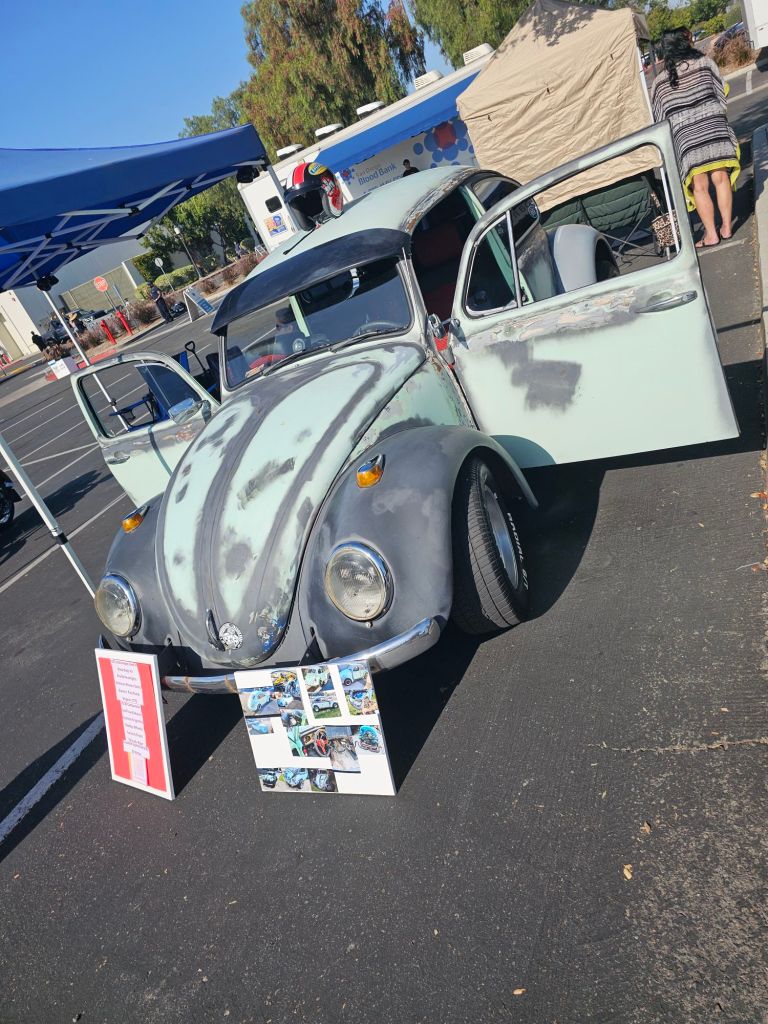
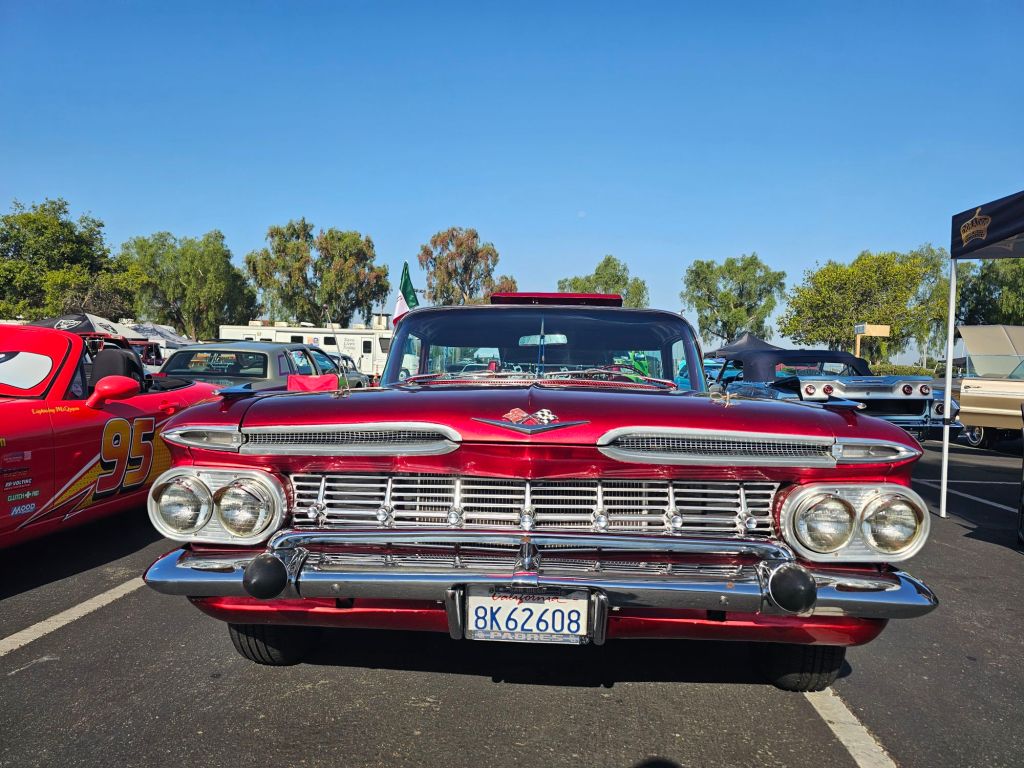
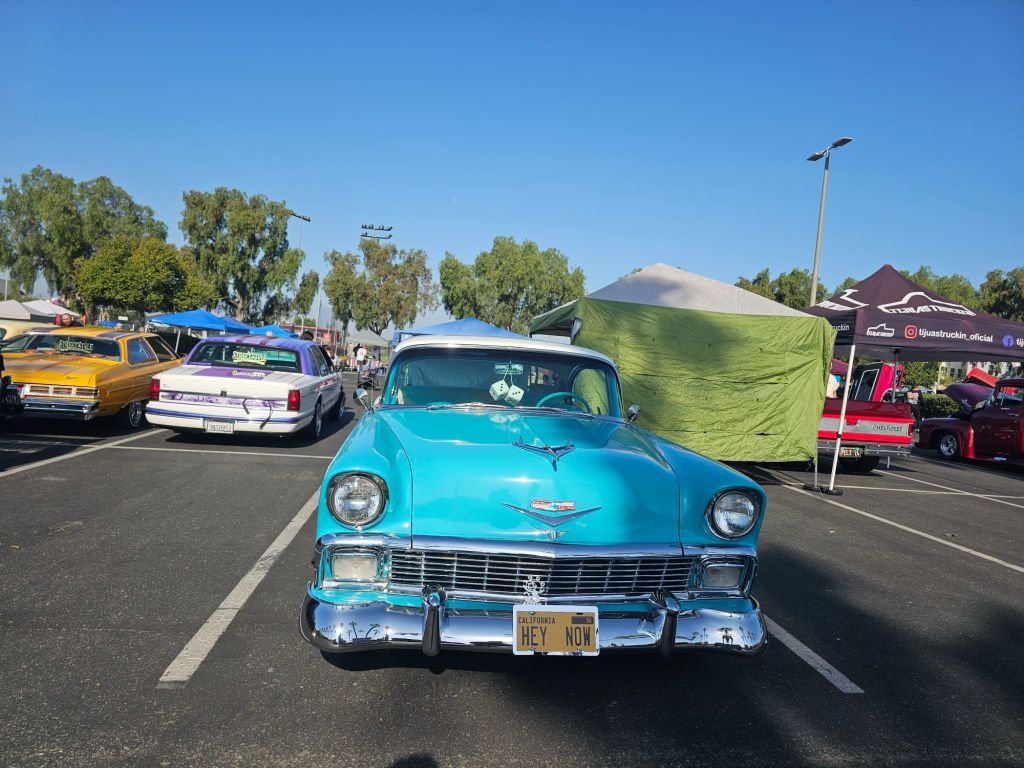
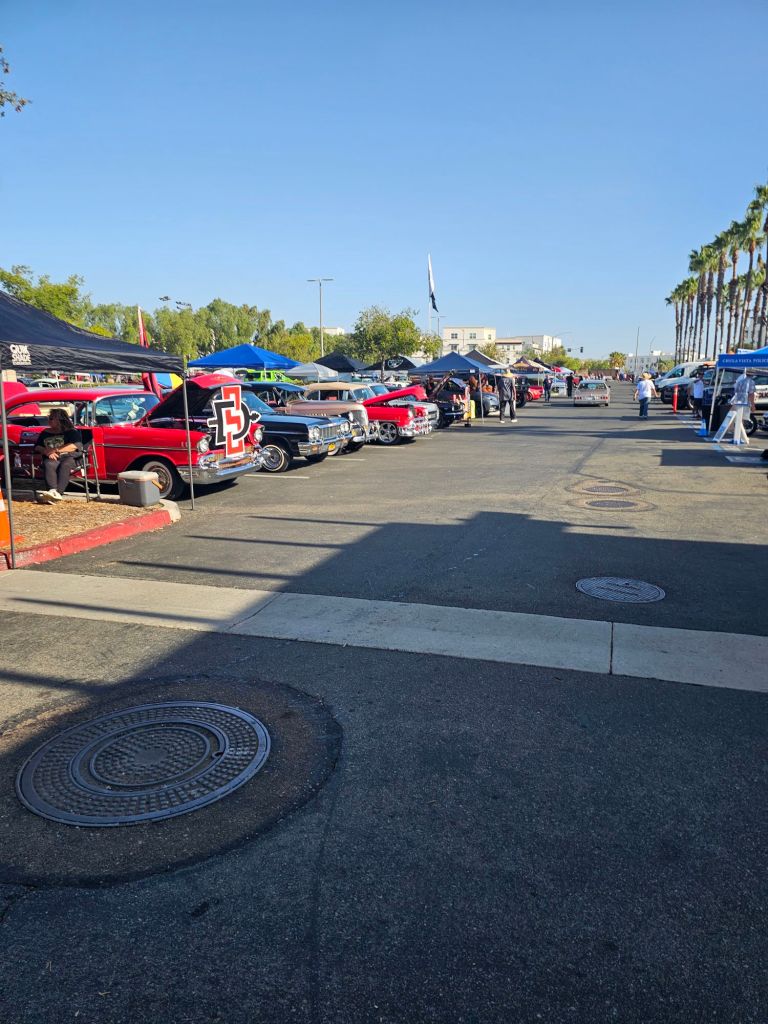
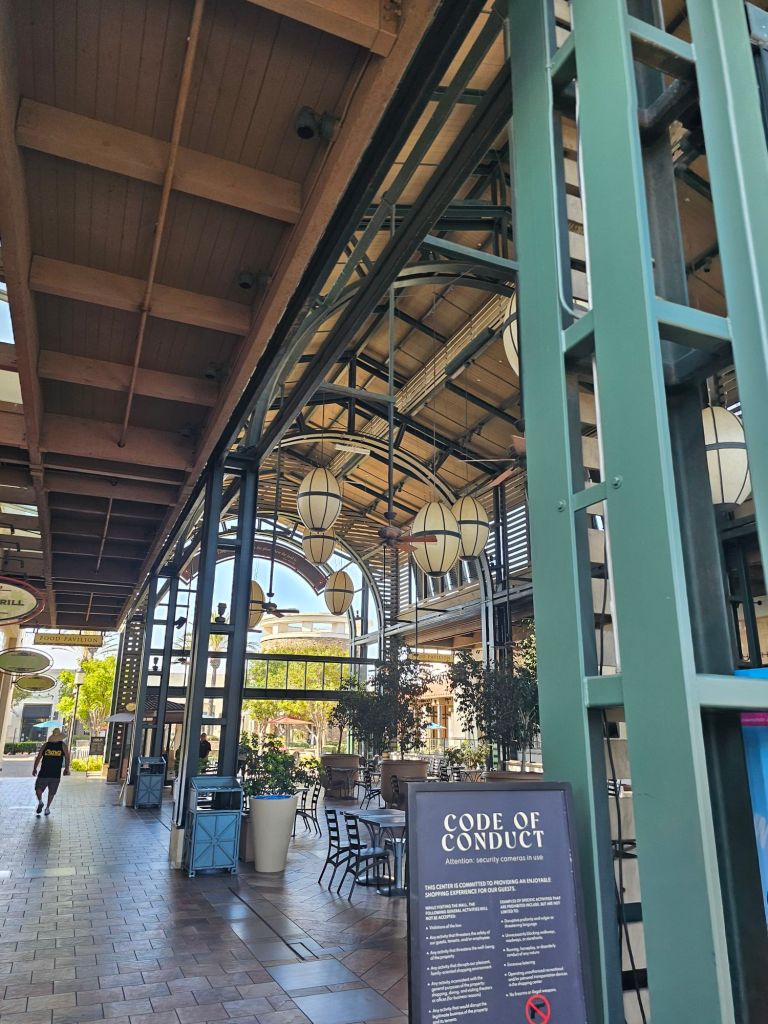
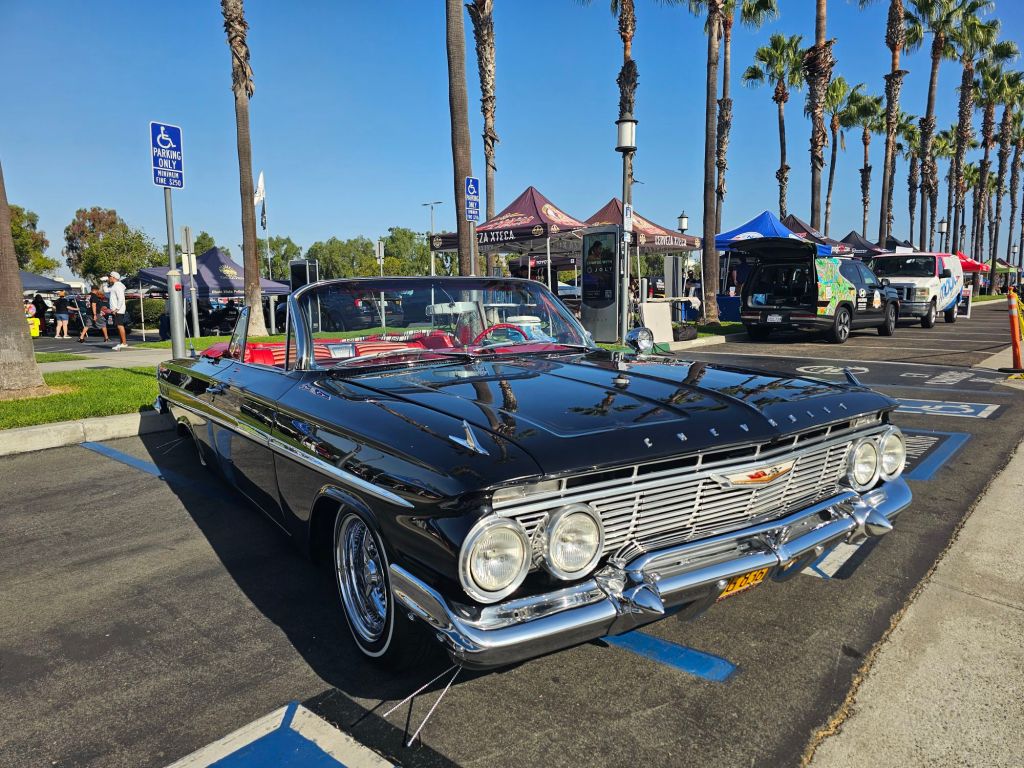
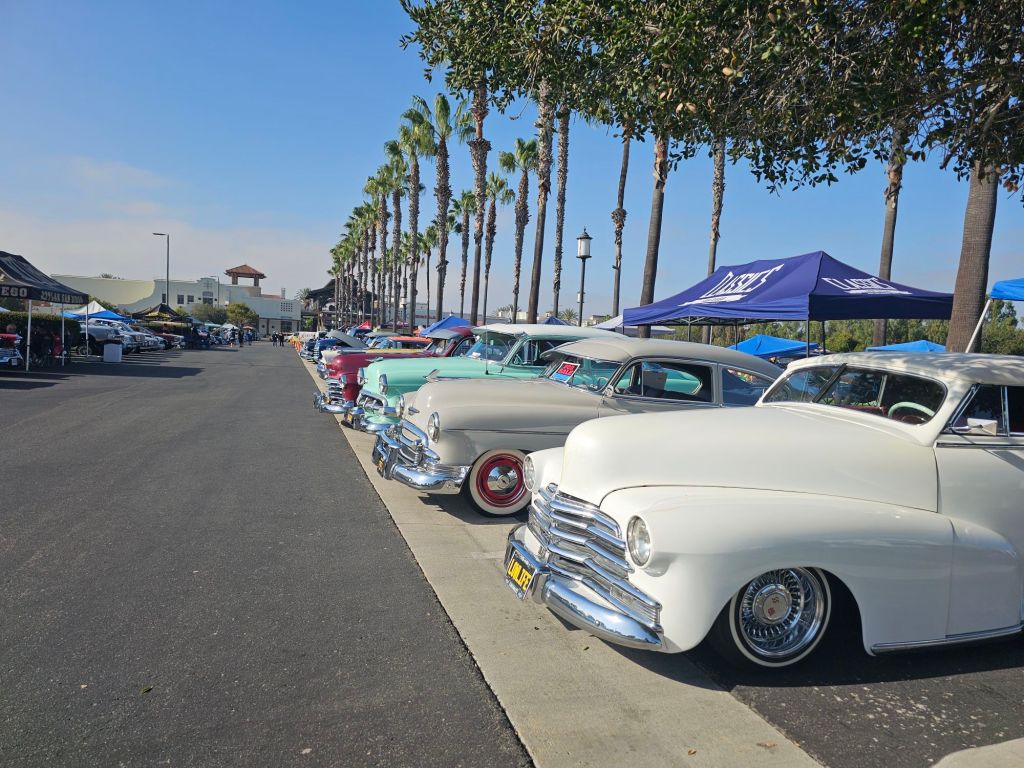
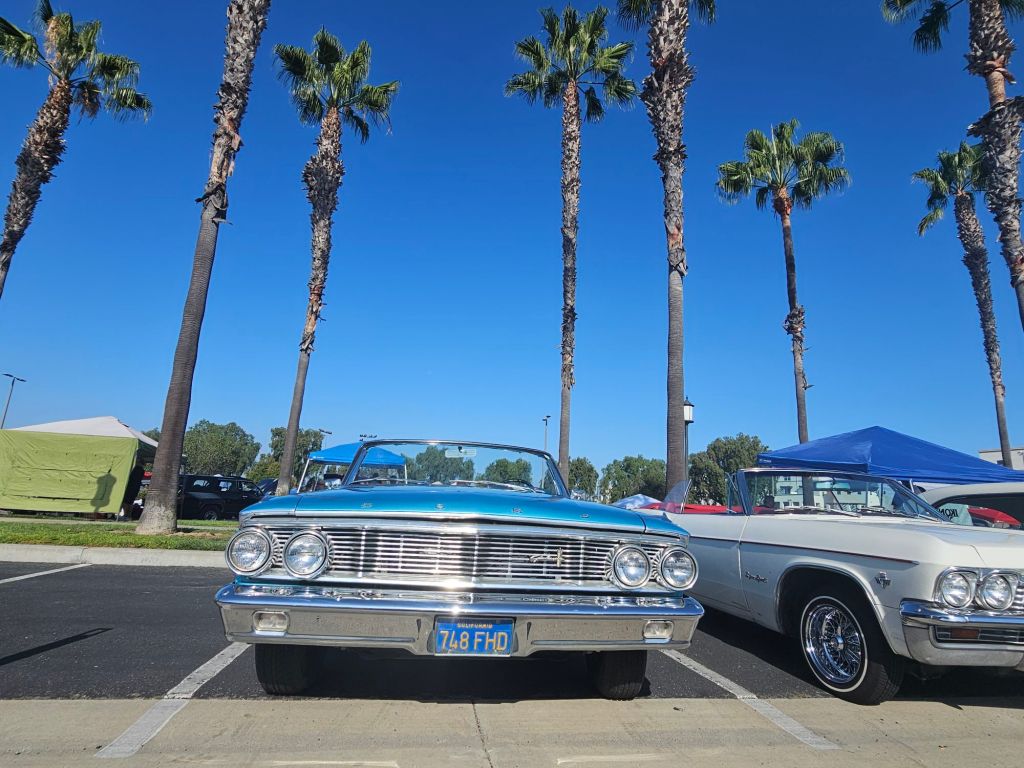
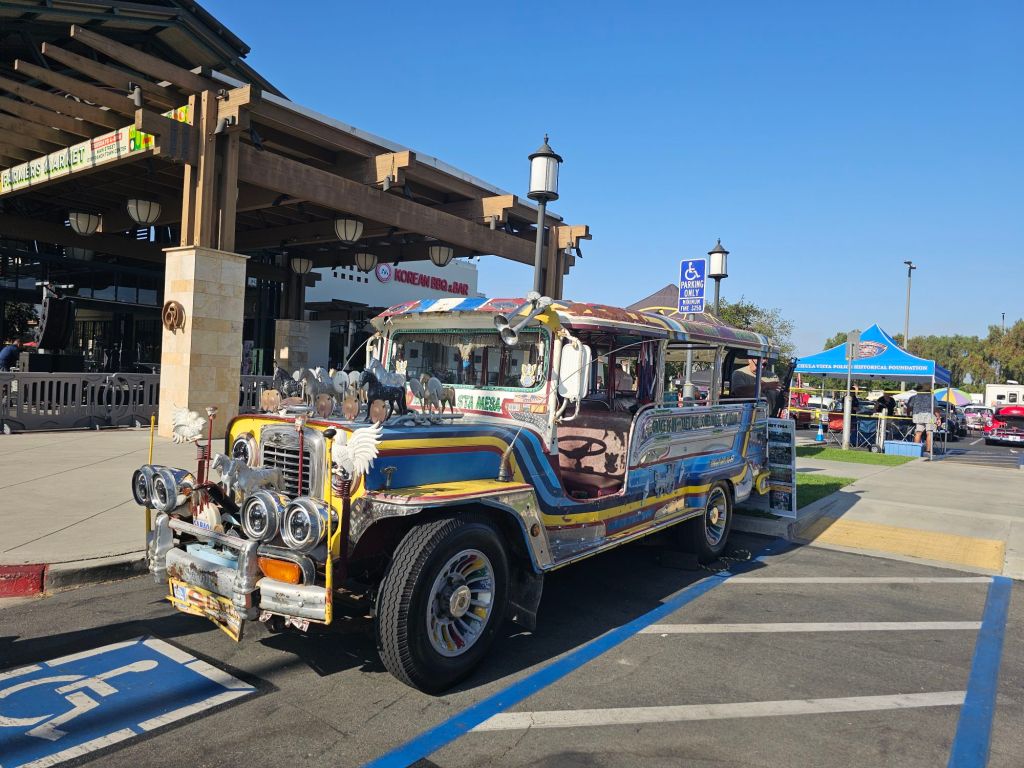
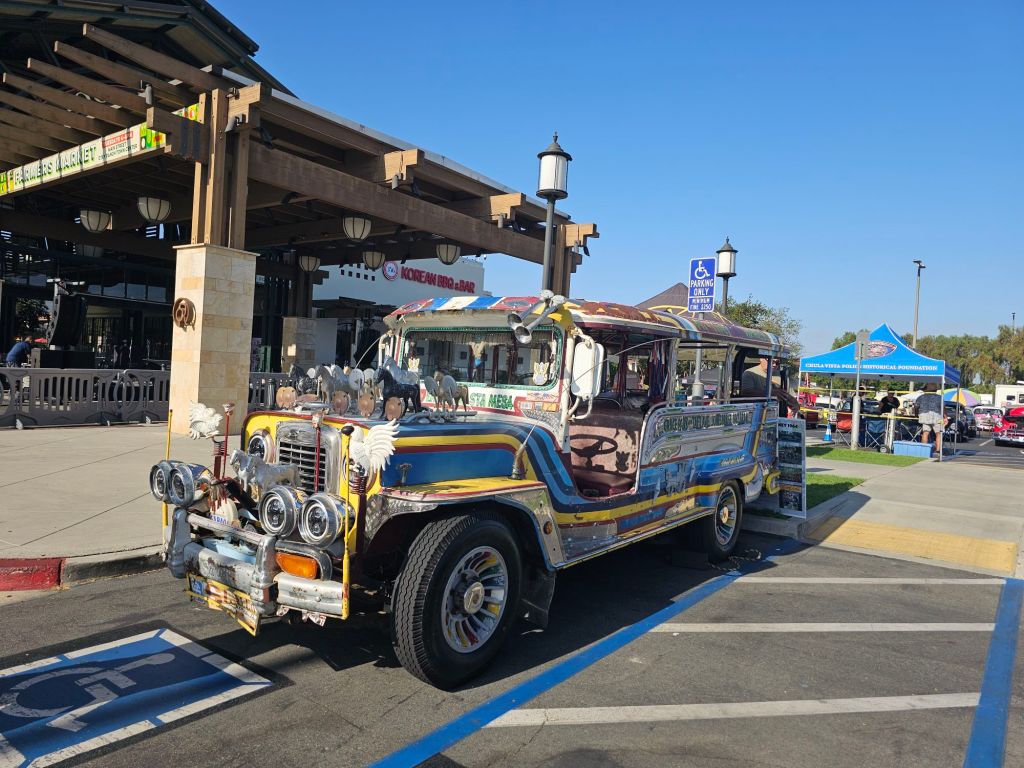
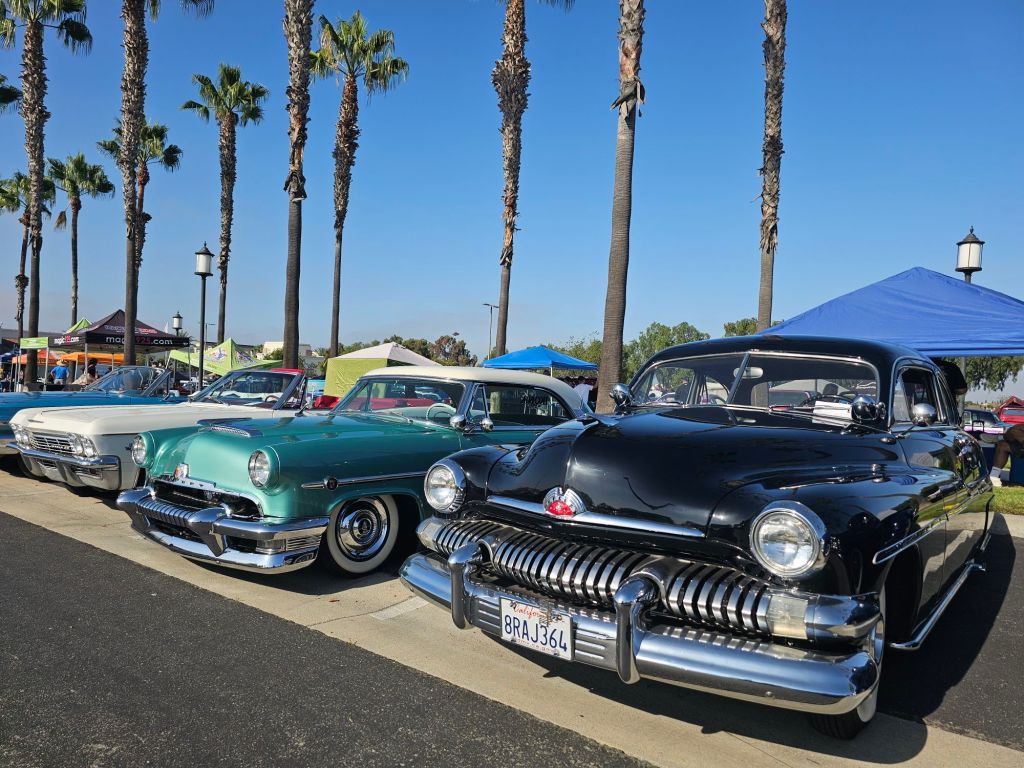
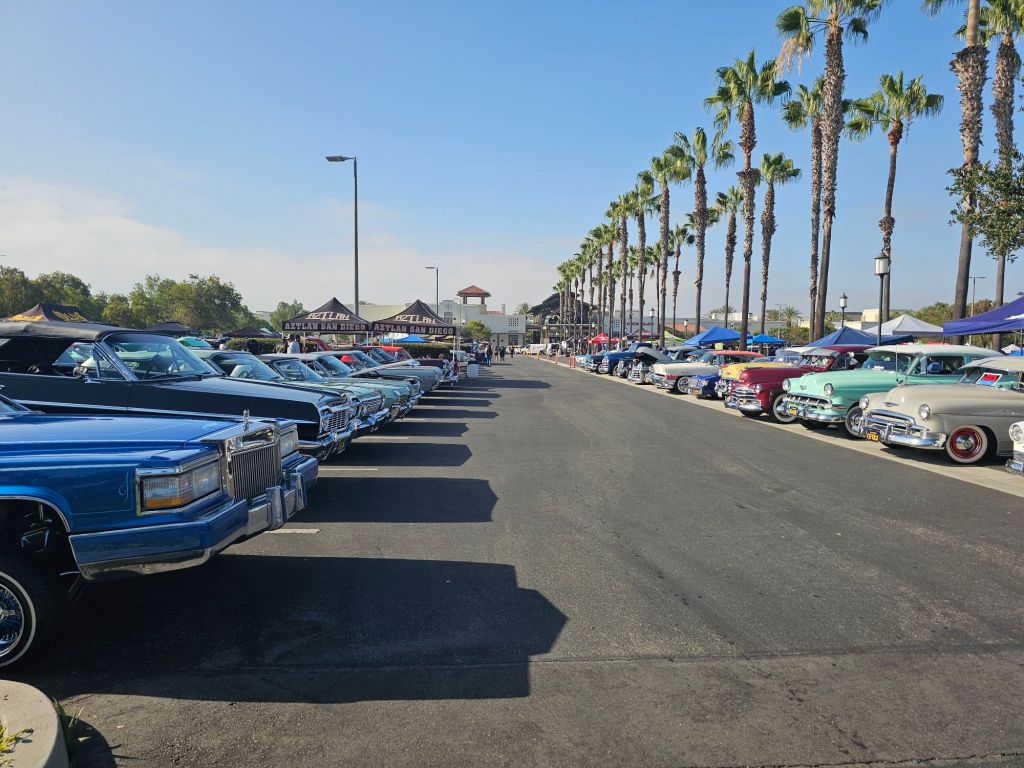
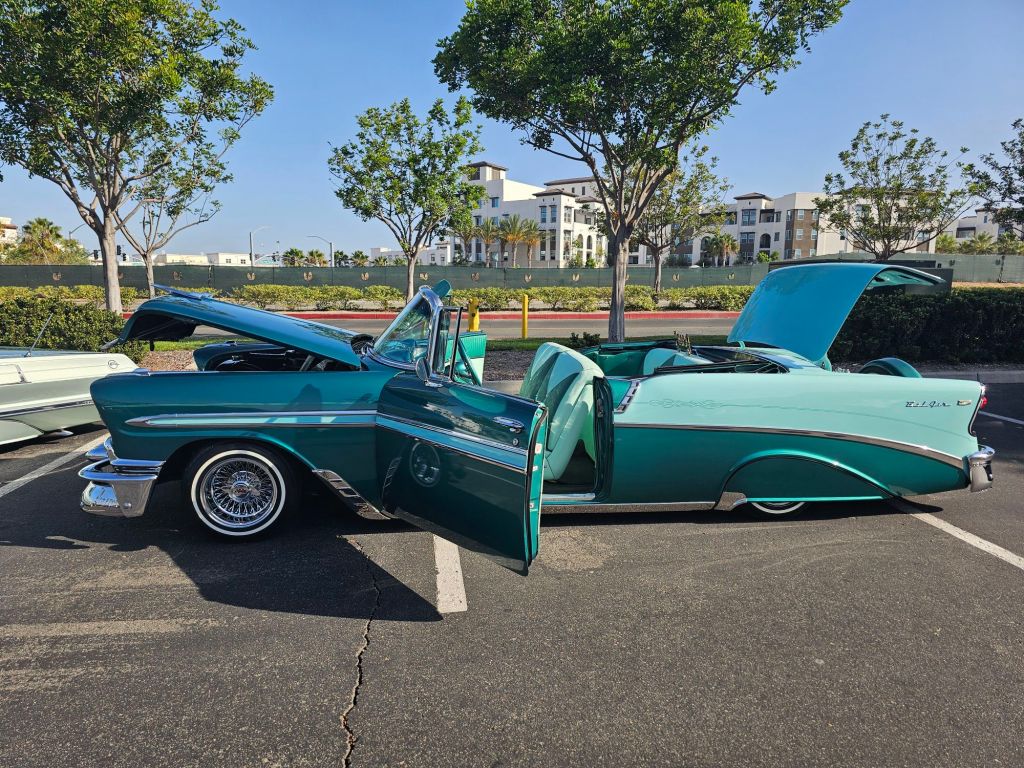
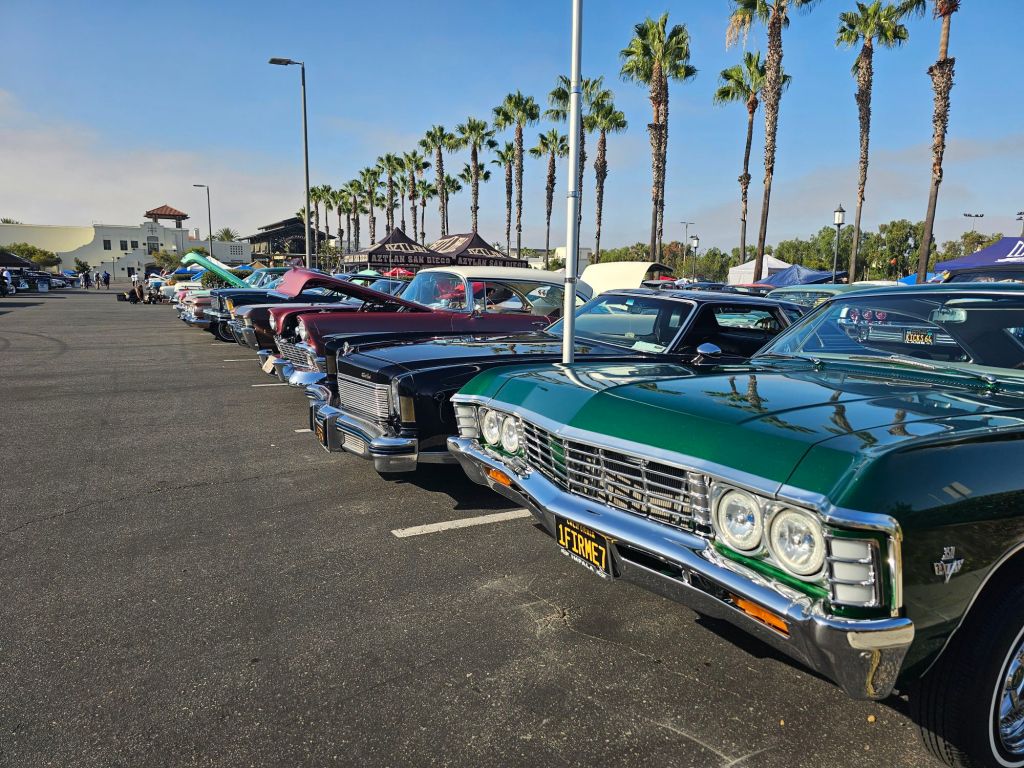
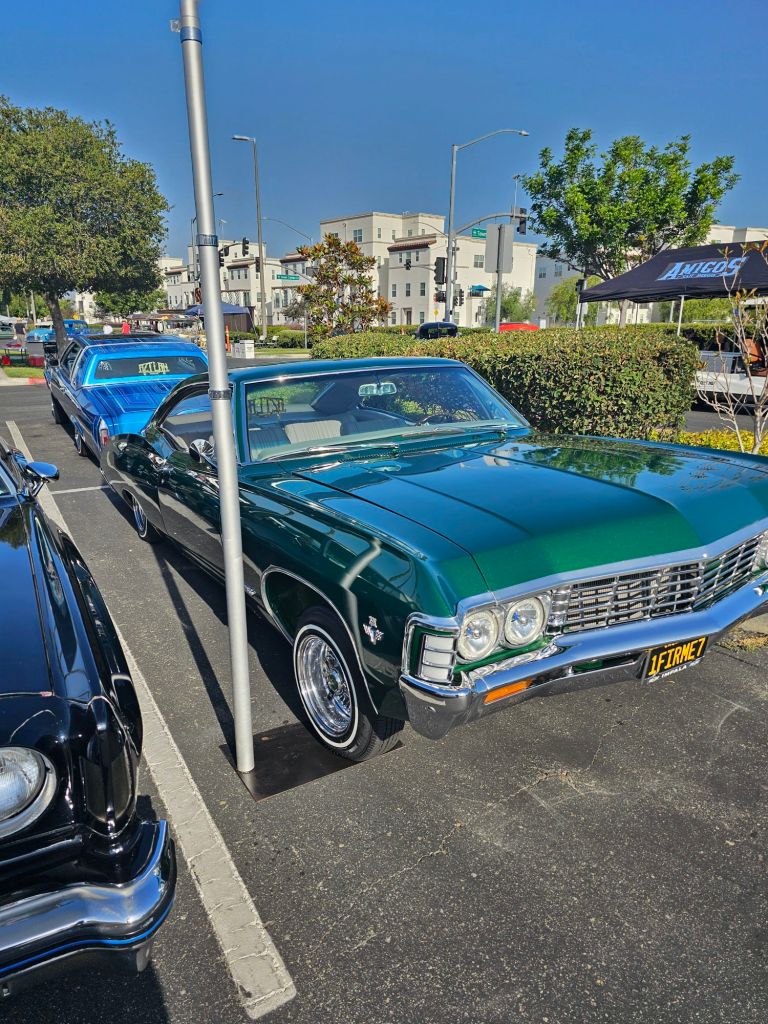
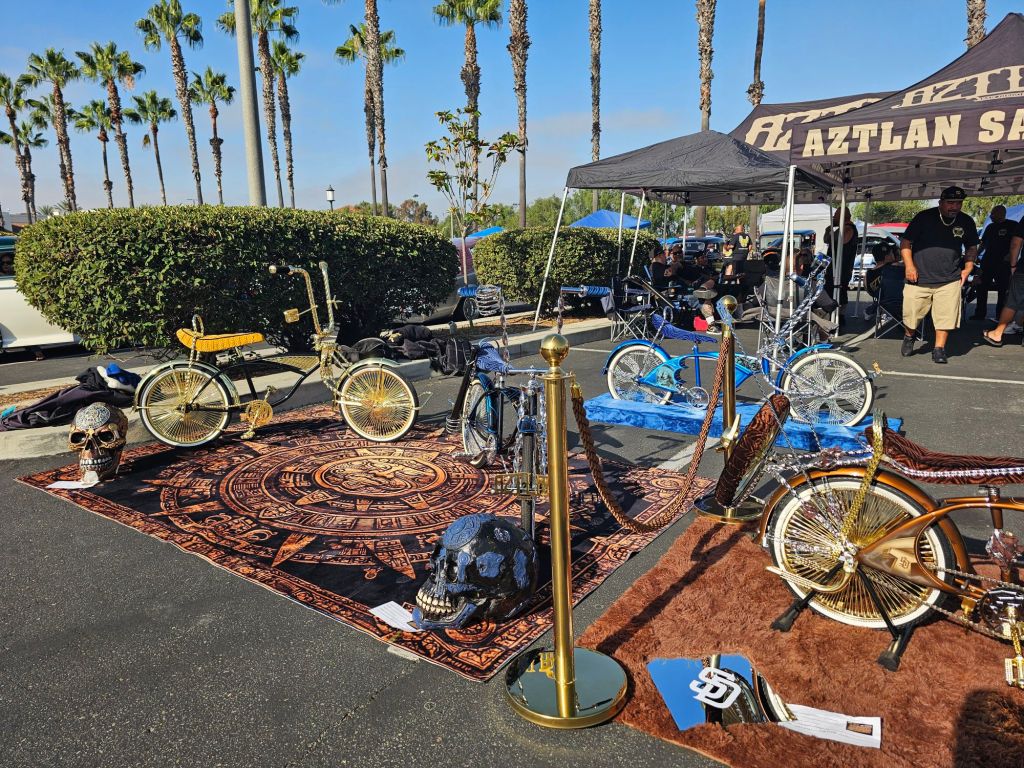
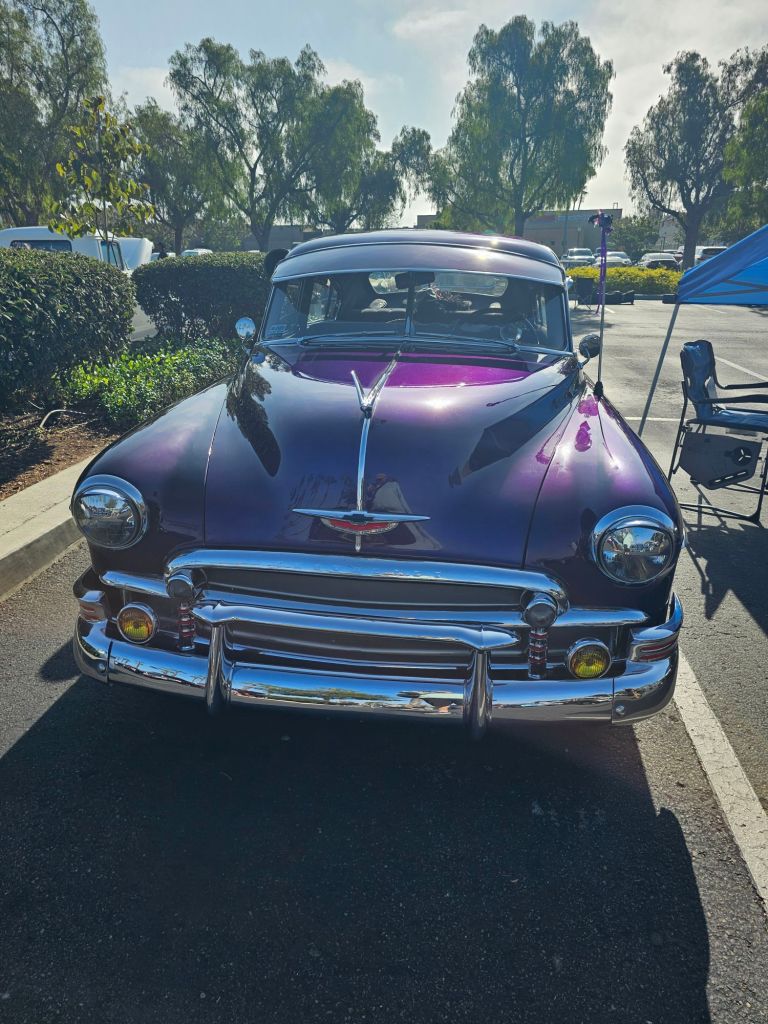
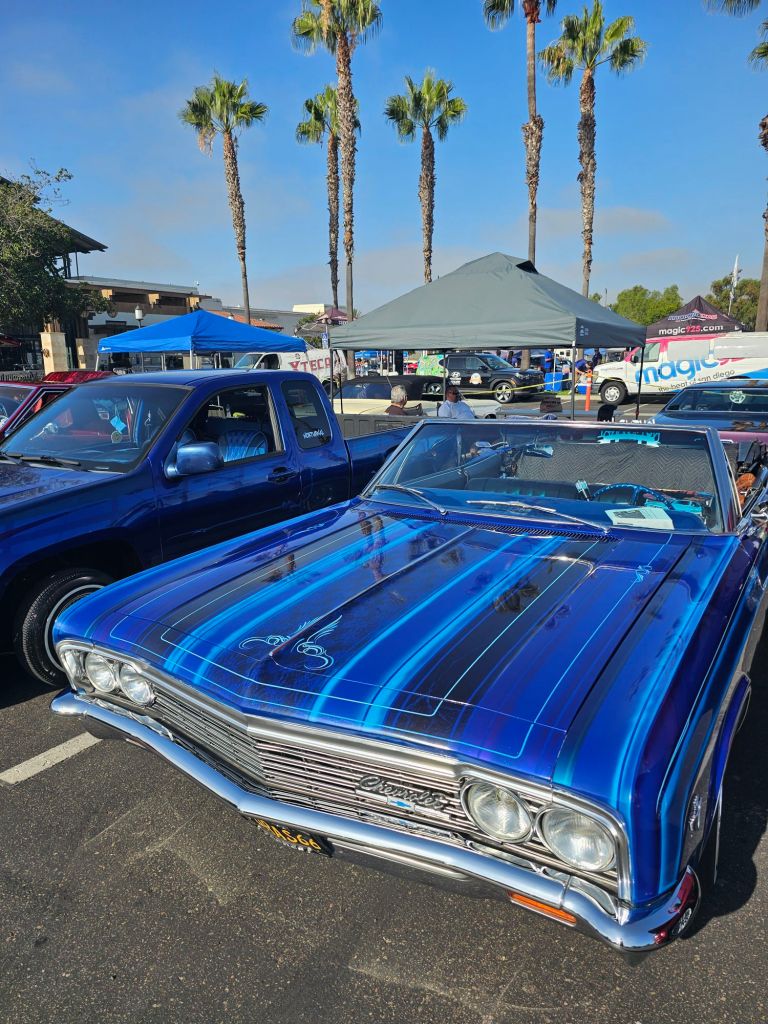
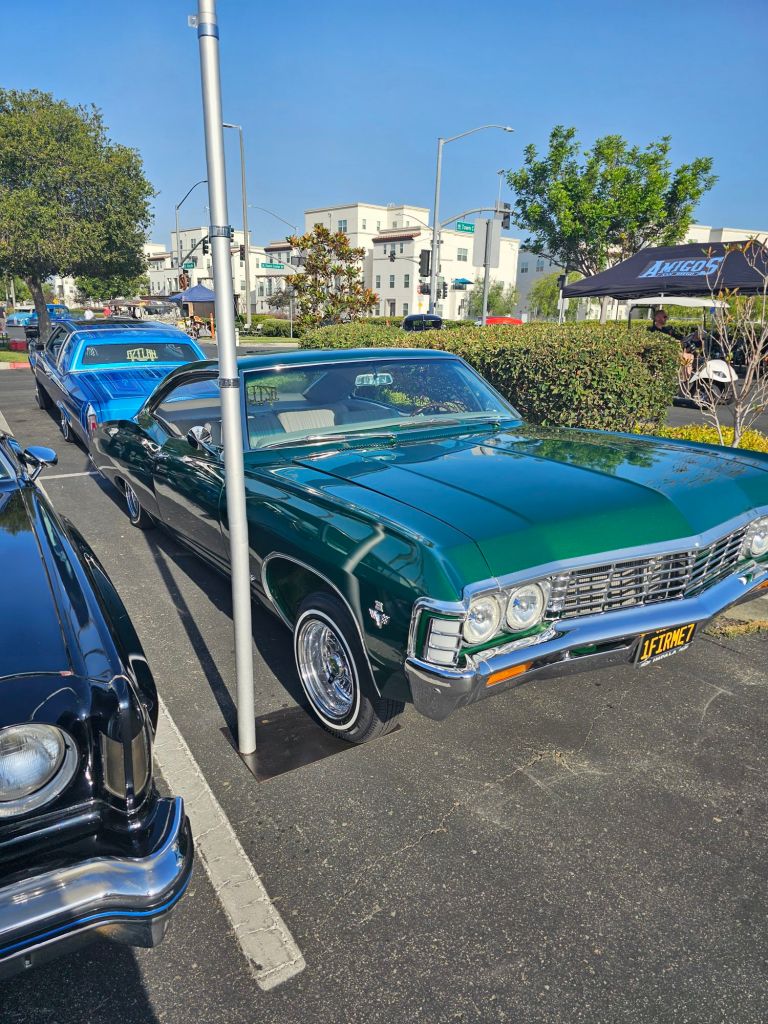
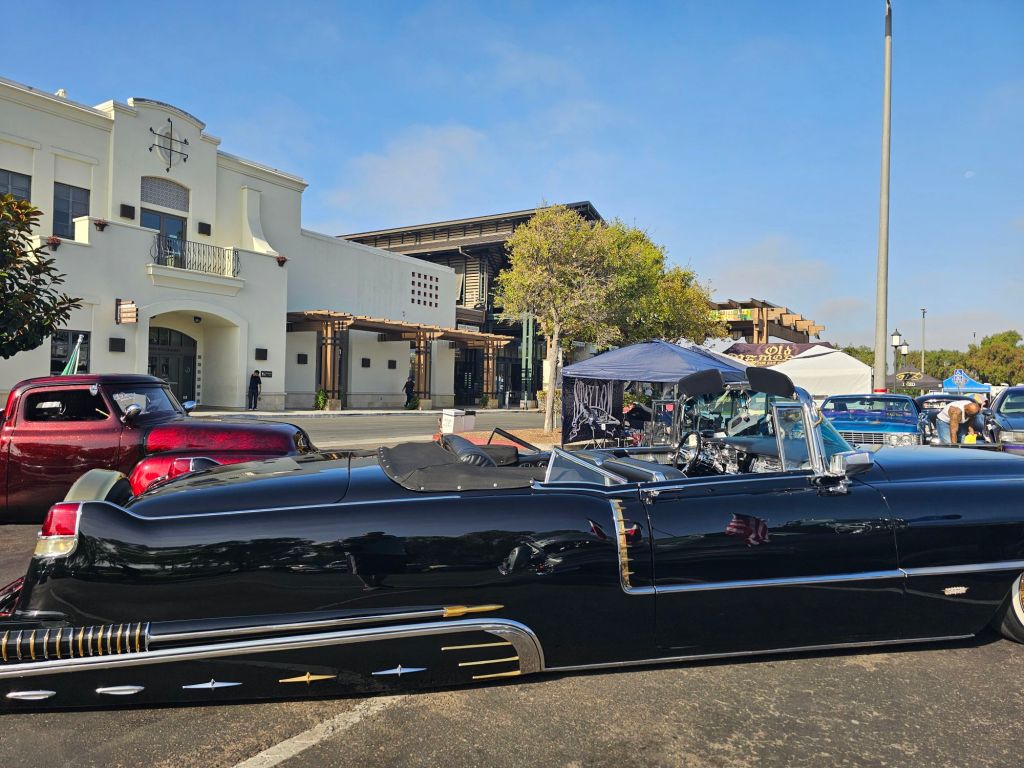
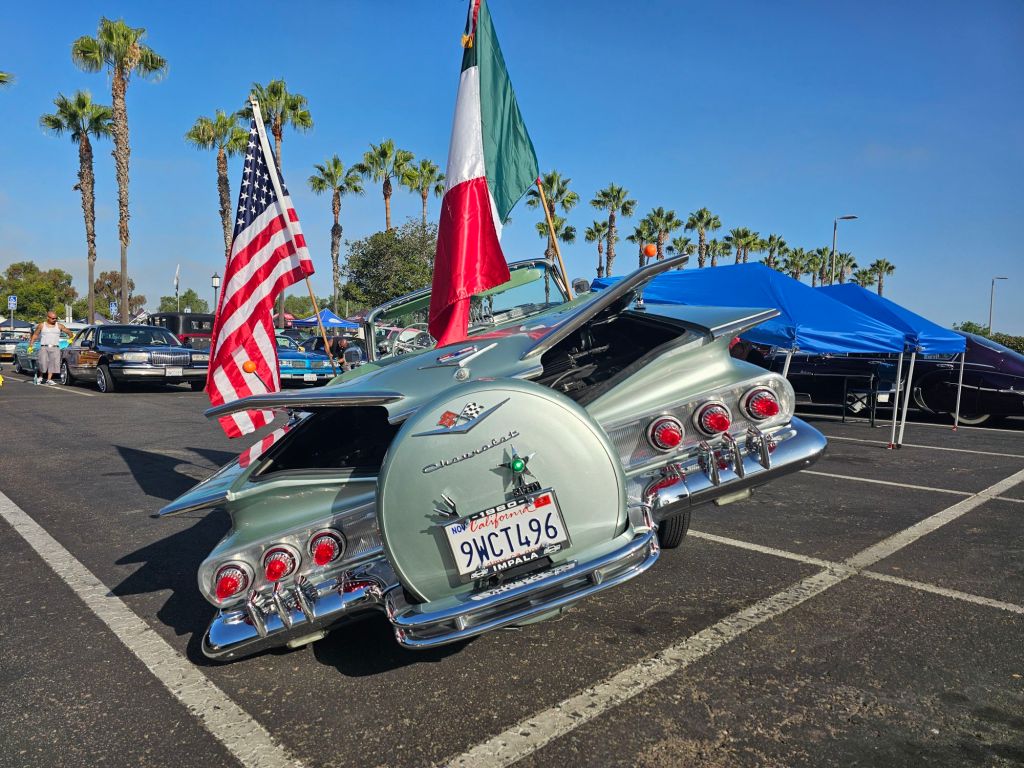
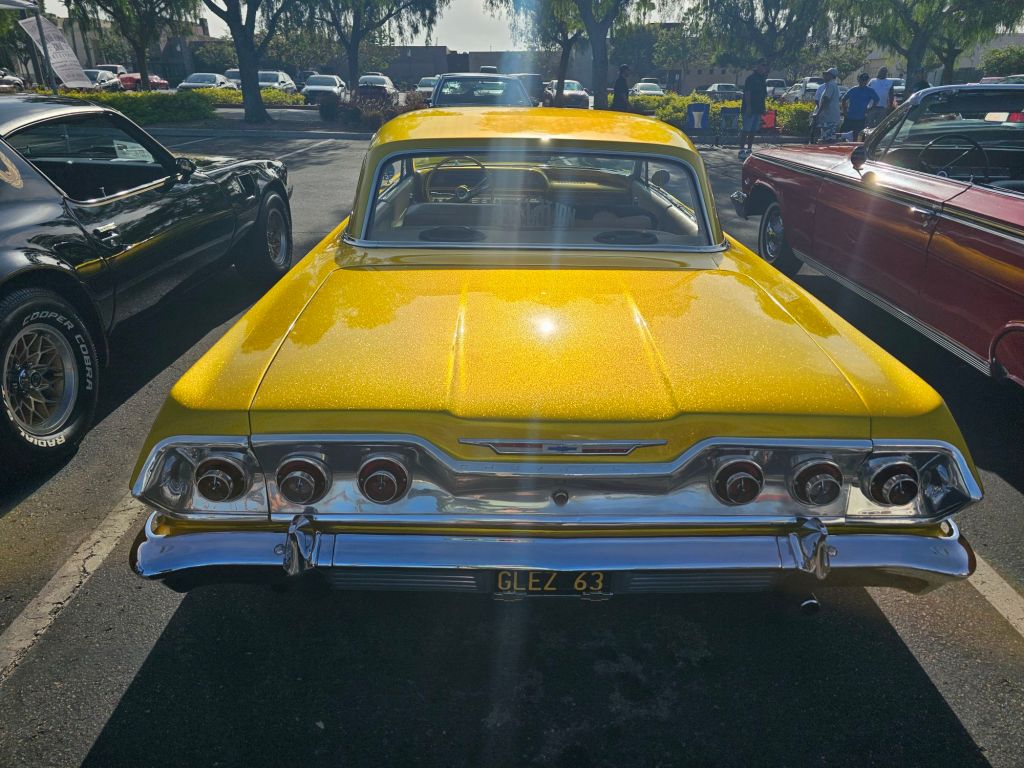
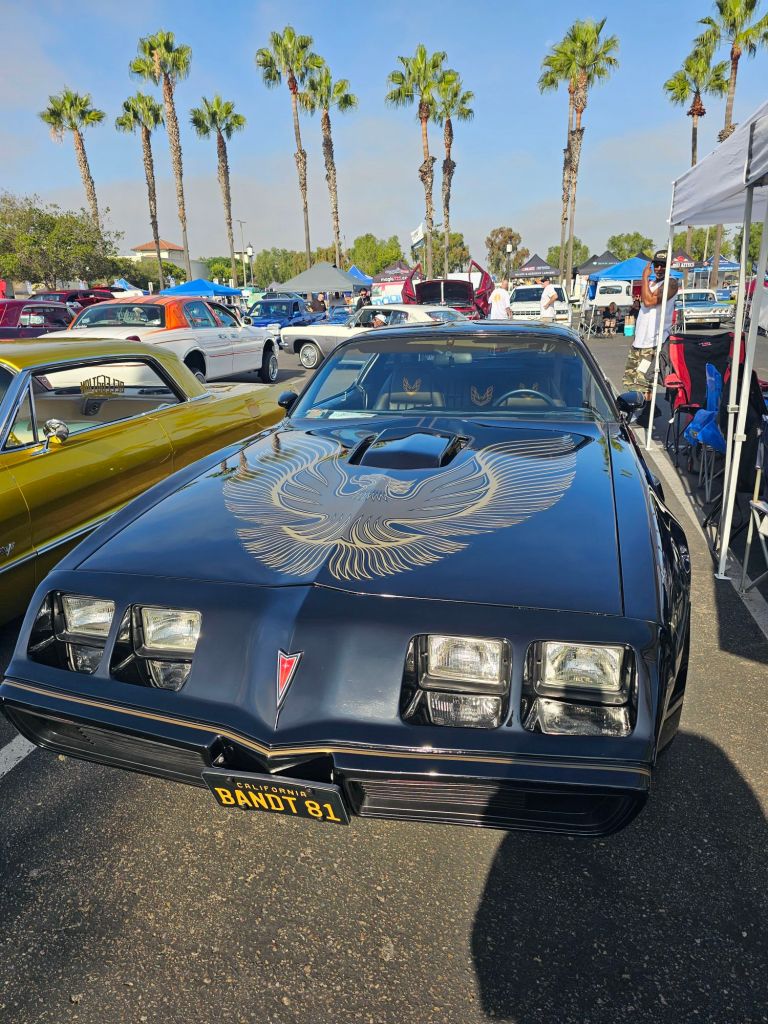
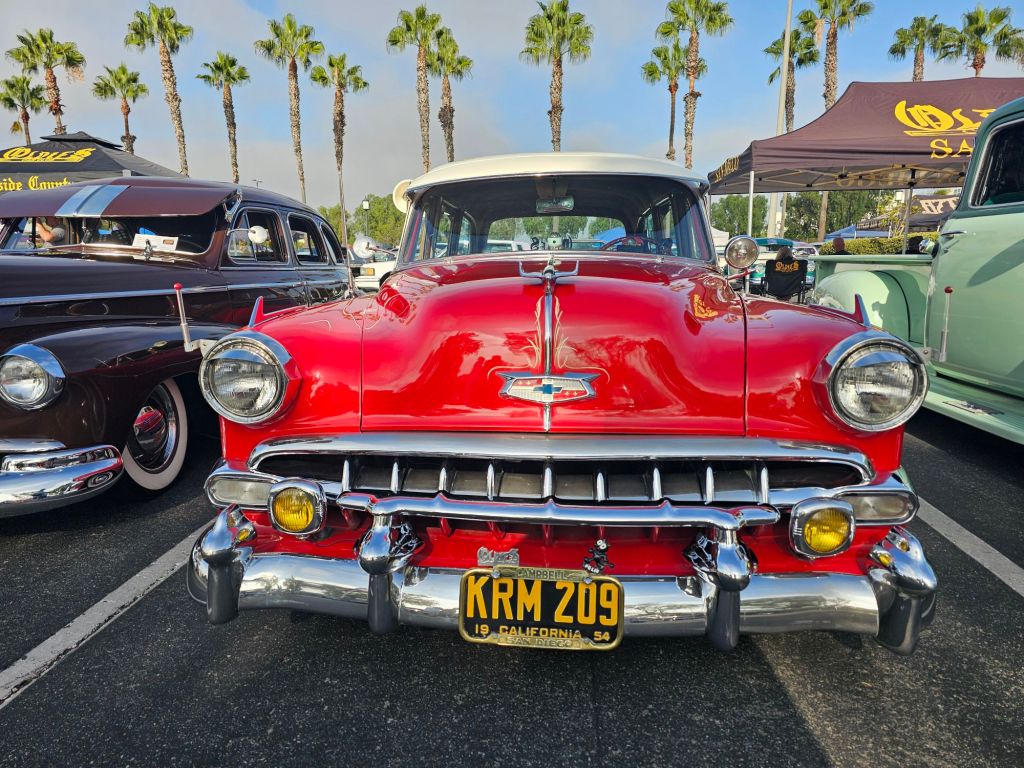
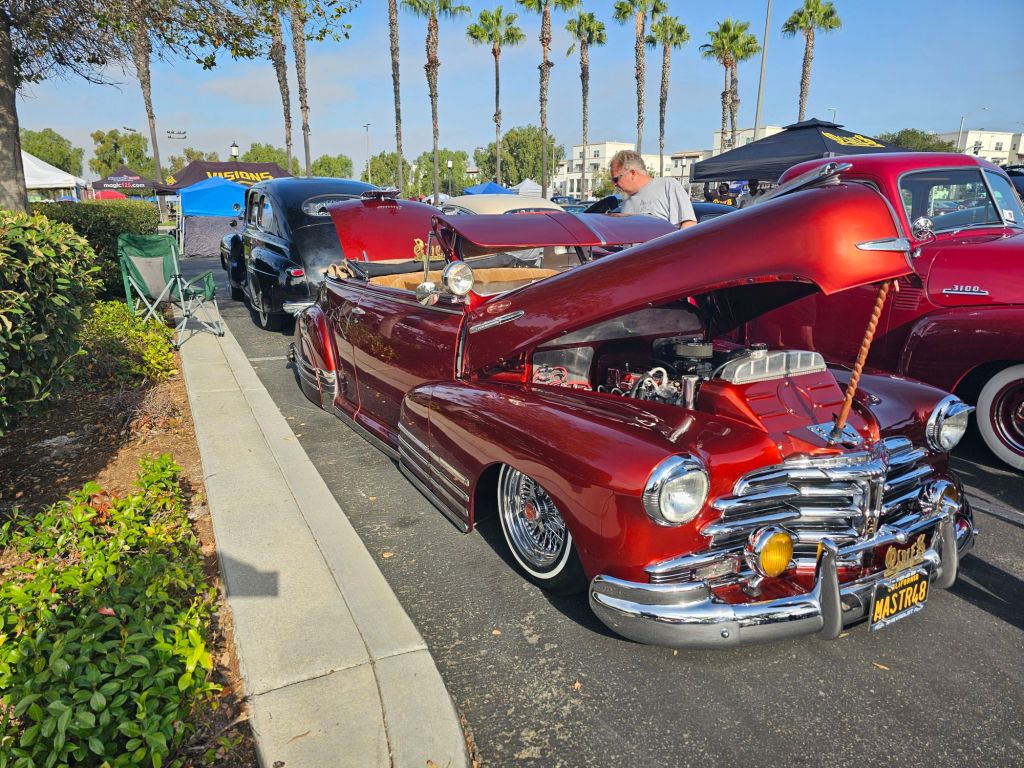
Few events capture the spirit of Southern California’s automotive culture quite like the 2026 Xavier “The X-Man” Cruise for the Cause Car Show. Held at Otay Ranch Town Center in Chula Vista, this annual gathering once again transformed the shopping center into a vibrant showcase of classic cars, muscle cars, hot rods, custom trucks, motorcycles, and modern performance vehicles—all while supporting an important charitable cause. The 24th annual event took place on Sunday, August 2, 2026, welcoming enthusiasts and families from across San Diego County.
Few events capture the spirit of Southern California’s automotive culture quite like the 2026 Xavier “The X-Man” Cruise for the Cause Car Show. Held at Otay Ranch Town Center in Chula Vista, this annual gathering once again transformed the shopping center into a vibrant showcase of classic cars, muscle cars, hot rods, custom trucks, motorcycles, and modern performance vehicles—all while supporting an important charitable cause. The 24th annual event took place on Sunday, August 2, 2026, welcoming enthusiasts and families from across San Diego County.
A Sea of Automotive Excellence
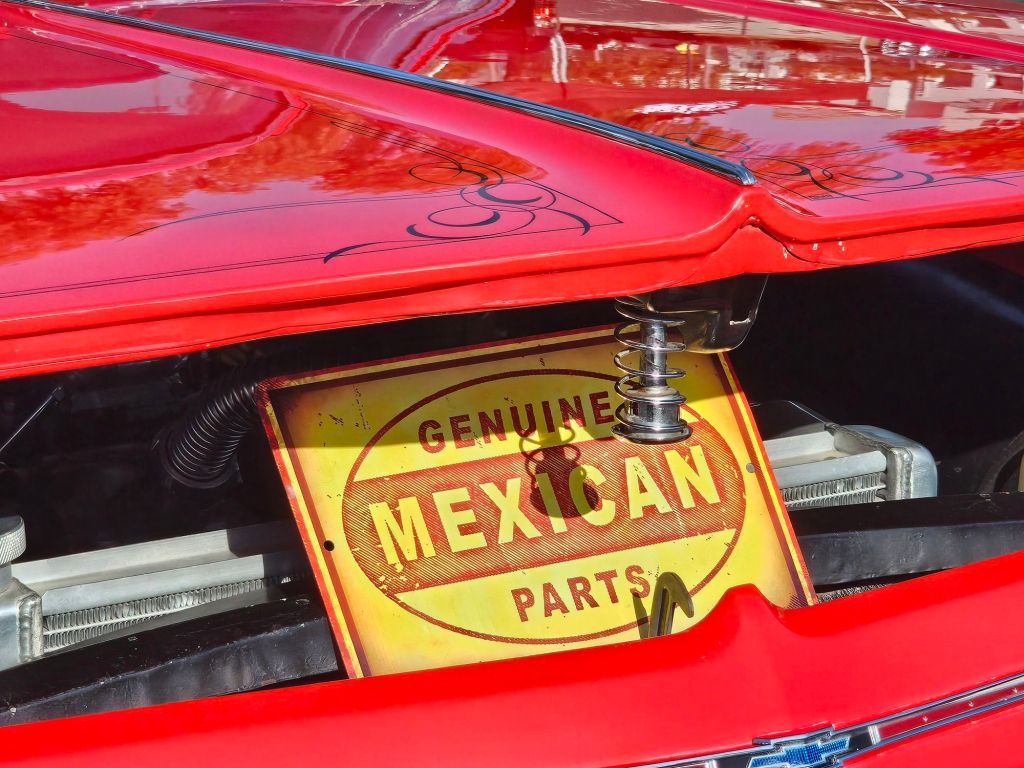
Walking through the rows of polished vehicles, visitors were treated to an impressive display spanning nearly every era of automotive history. Beautifully restored American classics sat beside vintage pickups, while late-model Corvettes, Mustangs, Camaros, Mopars, imports, and custom builds reflected the incredible diversity of Southern California’s car community.
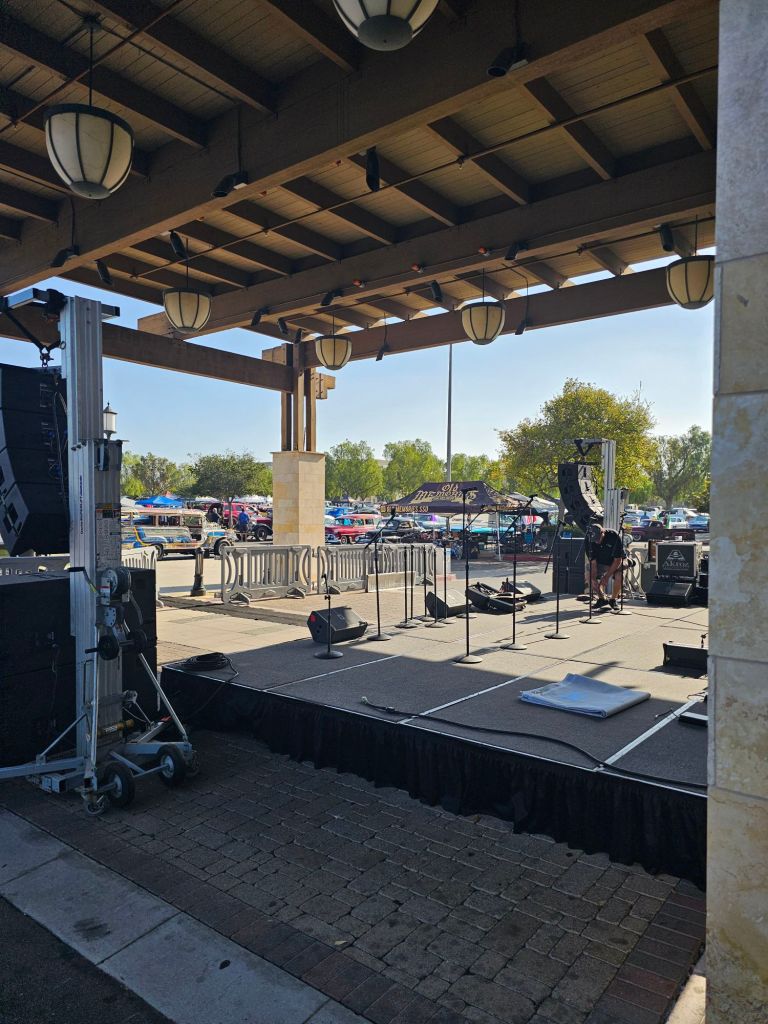
While the automobiles were certainly the stars of the day, the event offered much more than rows of spectacular vehicles. Live entertainment, local vendors, food, raffle prizes, and family-friendly activities created an atmosphere that welcomed enthusiasts of every age.
One of the most rewarding aspects of the Cruise for the Cause is its focus on giving back. The event brings together the local automotive community to support charitable efforts, proving that a shared passion for cars can make a meaningful difference in the lives of others.